
I remember sitting in my surgeon’s office, looking at the post-operative diet plan and feeling overwhelmed. You need 60 to 80 grams of protein daily, but your new stomach holds maybe two ounces. How on earth do you meet those goals when everything makes you feel full or nauseous?
That’s when I discovered bariatric gelatin recipes that actually work. Unlike regular Jell-O with barely any protein, these enhanced versions pack 10 to 22 grams of protein per serving. Moreover, they’re gentle on your healing stomach and actually taste good during those difficult first weeks.
After my surgery and working with dozens of other bariatric patients, I’ve perfected five high-protein bariatric gelatin recipes that work across all post-surgery phases. However, I’ll also share the science behind why surgeons recommend gelatin and how to avoid common mistakes that sabotage your protein goals.
Table of Contents
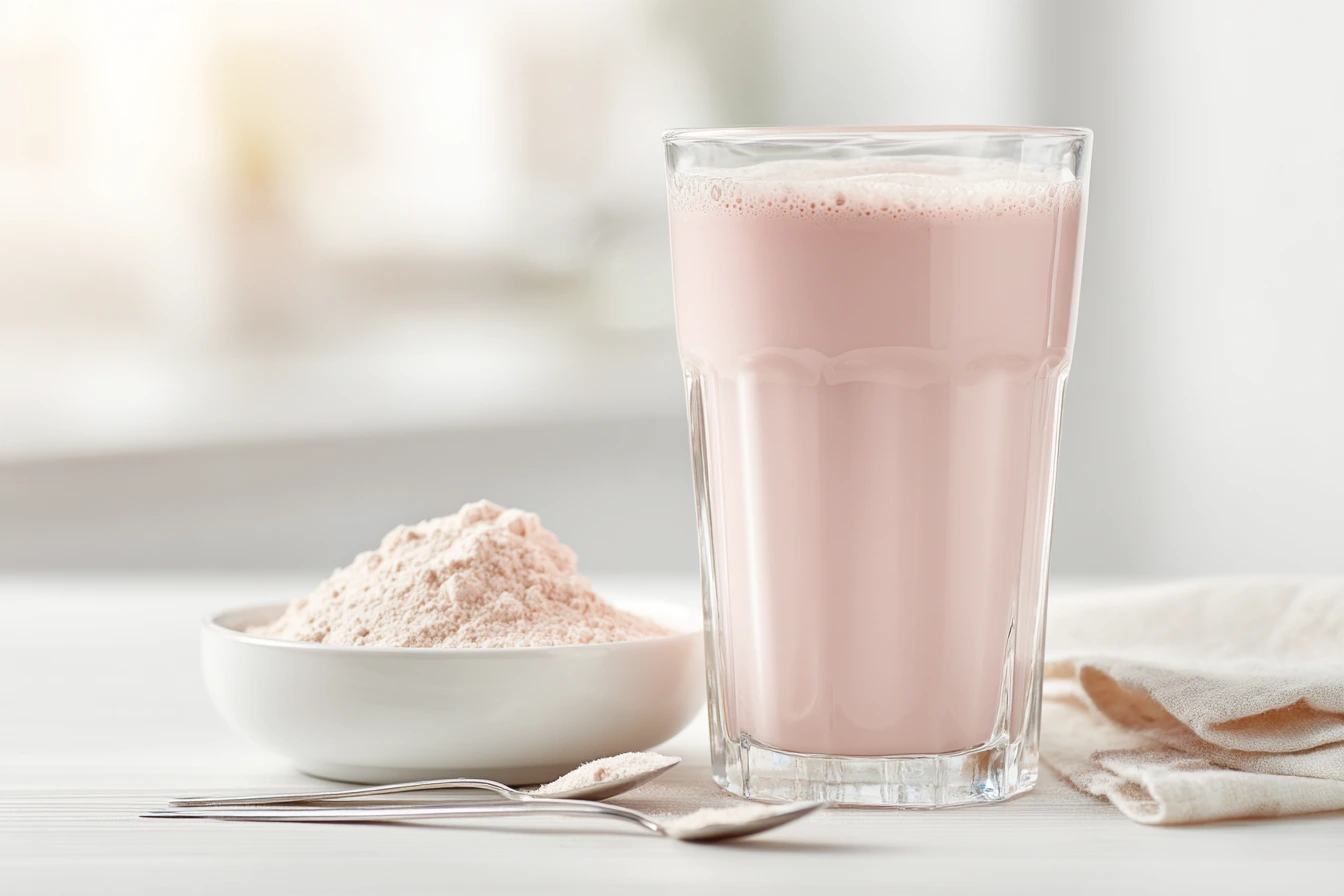
Why Surgeons Recommend Gelatin After Bariatric Surgery
Gelatin appears on nearly every bariatric program’s approved foods list for good reasons. In fact, Froedtert Hospital’s bariatric program recommends specific gelatin recipes for post-surgical patients. Nevertheless, understanding why helps you use it more effectively during recovery.
Easy on Your Healing Stomach
Your stomach needs gentle foods immediately after surgery while incisions heal internally. Gelatin dissolves completely at body temperature, leaving no residue that could irritate surgical sites. Additionally, the smooth texture slides down easily even when swallowing feels uncomfortable.
Furthermore, gelatin sits well in your tiny pouch without causing pressure or discomfort. Meanwhile, solid proteins like chicken or eggs might feel too heavy during early recovery weeks. Therefore, gelatin provides protein without overwhelming your sensitive digestive system.
Hydration Without Overwhelming Your Pouch
Most bariatric patients struggle to drink 64 ounces of water daily after surgery. However, gelatin counts toward your fluid intake goals while providing nutrition. In fact, gelatin is about 85 percent water once prepared.
Moreover, sipping on gelatin throughout the day helps you stay hydrated between protein shakes. As a result, you avoid dehydration, which commonly sends post-op patients back to the hospital. Nevertheless, plain water remains important, so don’t rely solely on gelatin for hydration.
Understanding Bariatric Surgery Phases and Gelatin
Your surgeon’s post-operative diet follows specific phases designed to protect your healing stomach. However, protocols vary between programs, so always follow your specific guidelines first. Then, use these bariatric gelatin recipes as approved options within each phase.
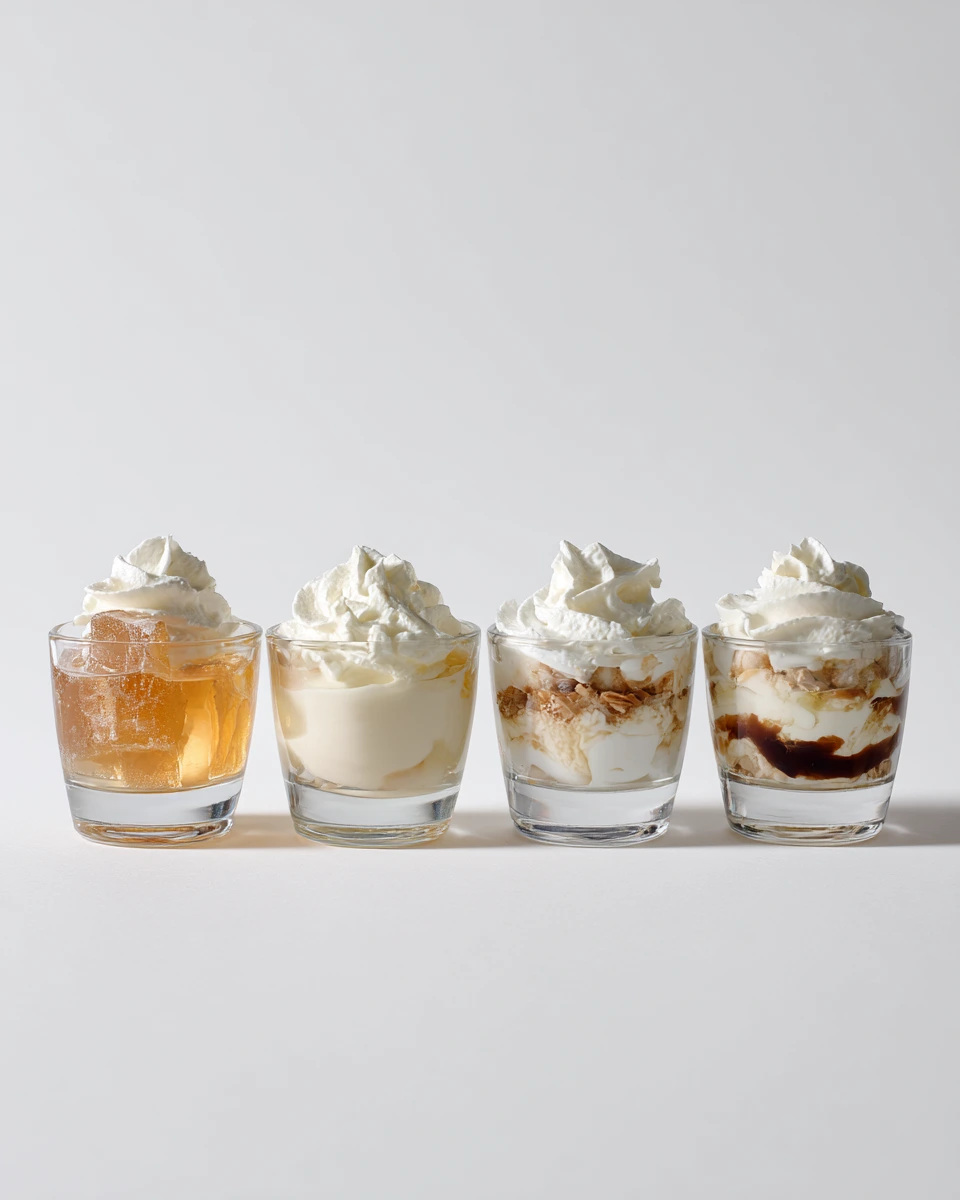
Clear Liquid Phase (Days 1-7)
This phase typically starts within 24 hours after surgery. During this time, you consume only liquids you can see through, like broth, sugar-free Jell-O, and diluted juice. Moreover, basic sugar-free gelatin fits perfectly here because it’s transparent and requires no digestion.
However, avoid adding protein powder or dairy during the clear liquid phase. Instead, stick with plain gelatin to let your stomach heal properly. Additionally, many programs limit this phase to just 3 to 5 days.
Full Liquid Phase (Weeks 1-2)
Once you progress to full liquids, you can consume opaque liquids like protein shakes, yogurt drinks, and cream soups. Therefore, this is when protein-enhanced bariatric gelatin recipes become valuable tools. In fact, you can now add unflavored protein powder or collagen peptides to boost protein content.
Furthermore, mixing gelatin with protein shakes creates variety when you’re tired of drinking the same flavors. As a result, meeting your 60 to 80 gram daily protein goal becomes more manageable.
Pureed Phase (Weeks 2-4)
During the pureed phase, foods should have a smooth, pudding-like consistency with no chunks. Meanwhile, gelatin naturally has the perfect texture for this phase. Additionally, you can now blend gelatin with Greek yogurt or cottage cheese for even more protein.
Moreover, the creamy Jello Fluff recipe works beautifully here because it combines protein with a satisfying texture. However, avoid anything that requires chewing, as your stomach isn’t ready yet.
Soft Foods Phase (Weeks 4-8)
Finally, you can eat soft, moist foods that break apart easily with a fork. Nevertheless, gelatin remains useful for adding variety and meeting protein goals. In fact, layered gelatin parfaits with soft cheese provide both protein and pleasant textures.
Additionally, some patients continue enjoying bariatric gelatin recipes long after recovery because they’re convenient, portable, and tasty. For more basic preparation methods, check out this simple 3-ingredient gelatin recipe that you can modify for bariatric needs.
The Protein Problem: Why Regular Gelatin Isn’t Enough
Regular sugar-free Jell-O contains only about 1 gram of protein per half-cup serving. Unfortunately, that won’t help you reach your daily protein targets. Therefore, you must enhance gelatin’s protein content through smart additions.
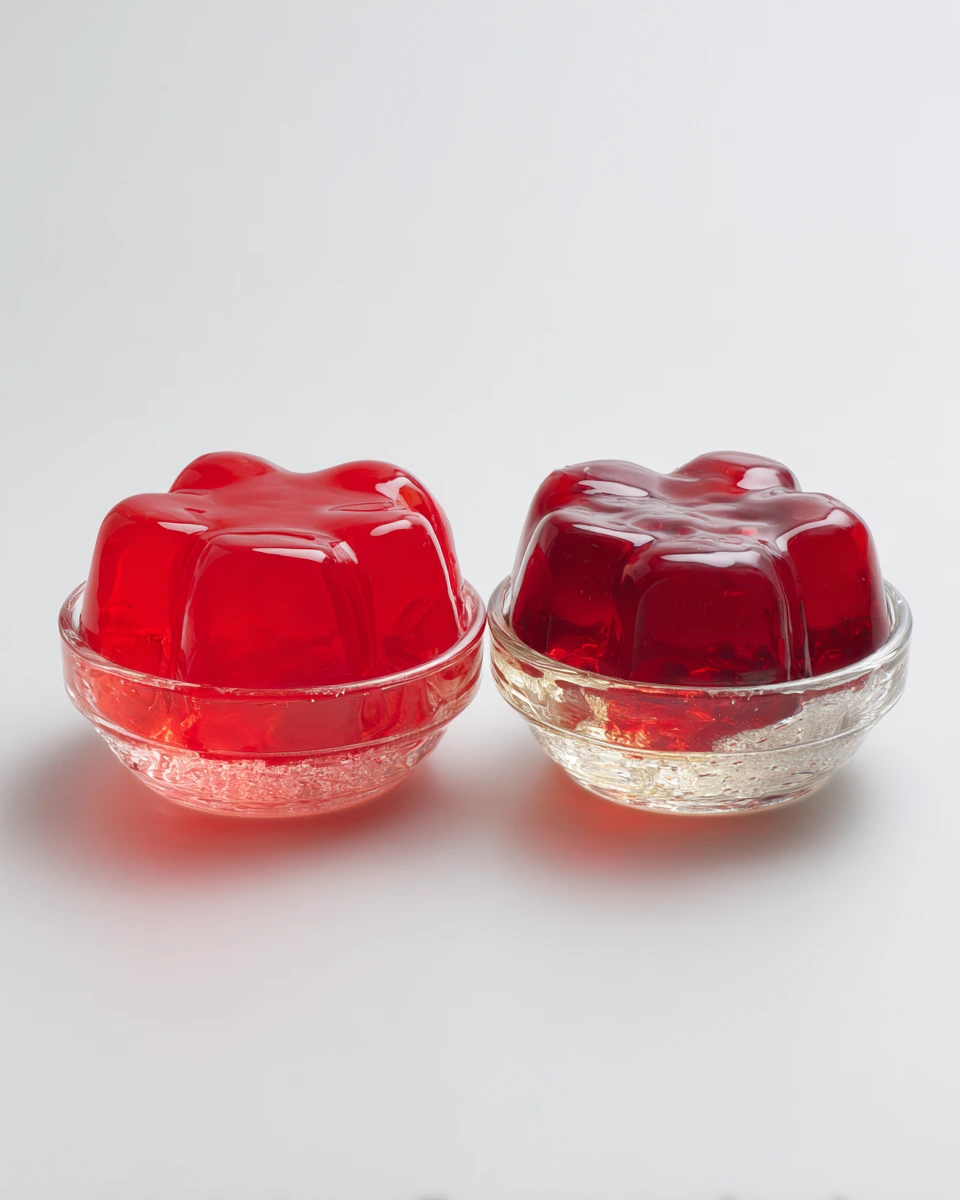
How Much Protein Do Bariatric Patients Need?
According to Mayo Clinic, protein needs increase slightly as we age to maintain lean body mass. However, bariatric patients need even more protein during the rapid weight loss phase. In fact, most programs recommend 60 to 80 grams daily, with some patients needing up to 100 grams.
Moreover, your body can only absorb about 20 to 30 grams of protein per meal. Therefore, you need to spread protein intake across 4 to 5 small meals and snacks daily. As a result, every food choice must contribute meaningful protein.
Boosting Gelatin’s Protein Content
Several strategies transform low-protein gelatin into a high-protein powerhouse. First, add unflavored collagen peptides that dissolve easily in hot liquid. Next, mix in unflavored protein powder before the gelatin sets. Then, layer gelatin with high-protein dairy like Greek yogurt or ricotta cheese.
Additionally, using bone broth instead of water adds natural protein and minerals. Furthermore, these protein-boosting methods don’t significantly change gelatin’s gentle texture. Therefore, your stomach tolerates enhanced versions just as well as plain gelatin.
For understanding different gelatin types and their benefits, visit types of gelatin compared to choose the best option for your needs.
5 High-Protein Bariatric Gelatin Recipes
These recipes progress from simple clear liquids to more complex soft foods. Moreover, each includes complete nutritional information to help you track your daily intake accurately. However, always verify ingredients with your bariatric team before trying new recipes.
Recipe 1 – Basic Sugar-Free Gelatin (Clear Liquid Phase)
This basic recipe provides hydration and variety during the challenging first days after surgery. Furthermore, it’s safe for the clear liquid phase when your stomach is most sensitive.
Basic Sugar-Free Gelatin (Clear Liquid Phase)

Equipment
- medium bowl
- whisk
- Measuring cups
- Storage containers
Ingredients
- 1 packet sugar-free gelatin (0.25 oz, any flavor)
- 1 cup boiling water
- 1 cup cold water
Instructions
- Pour boiling water into a medium bowl.
- Sprinkle gelatin powder over the boiling water while stirring constantly with a whisk.
- Stir continuously for 2 minutes until gelatin is completely dissolved with no granules visible.
- Add cold water and stir well to combine.
- Pour into individual containers or one large dish and refrigerate for 3 hours until completely set.
Notes
Recipe 2 – Protein-Enhanced Gelatin Cubes (Full Liquid Phase)
This enhanced version provides substantial protein in a convenient, portable form. Moreover, the cubes are easy to eat slowly throughout the day when drinking protein shakes feels overwhelming.
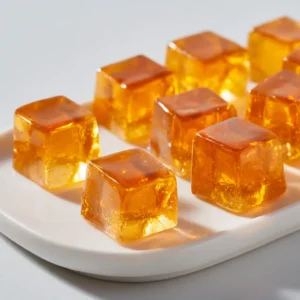
Protein-Enhanced Gelatin Cubes (Full Liquid Phase)
Equipment
- medium bowl
- whisk
- Measuring cups and spoons
- 8×8 inch baking pan
- Knife for cutting cubes
Ingredients
- 2 tablespoons unflavored gelatin powder
- 1 cup boiling water
- 1 scoop unflavored collagen peptides (25g)
- 1 cup sugar-free flavored drink mix (prepared, cold)
- to taste liquid stevia (optional)
Instructions
- In a medium bowl, dissolve collagen peptides in boiling water, stirring well for 1-2 minutes.
- Sprinkle unflavored gelatin powder over the mixture and whisk vigorously until completely dissolved with no lumps.
- Add cold sugar-free flavored drink and liquid stevia if using. Stir well to combine.
- Pour mixture into an 8×8 inch baking pan or dish.
- Refrigerate for 4 hours until firmly set. Cut into 12 equal cubes before serving.
Notes
Recipe 3 – Greek Yogurt Jello Fluff (Pureed Phase)
This creamy, mousse-like treat combines protein from both gelatin and yogurt. Additionally, the smooth texture is perfect for the pureed phase when you crave something more substantial.

Greek Yogurt Jello Fluff (Pureed Phase)
Equipment
- medium bowl
- Whisk or electric mixer
- Measuring cups
- Individual serving dishes
Ingredients
- 1 packet sugar-free gelatin (any flavor, 0.25 oz)
- ¾ cup boiling water
- 1 cup plain nonfat Greek yogurt (cold)
- 1 scoop unflavored protein powder (optional)
Instructions
- Dissolve gelatin powder in boiling water, stirring until completely dissolved.
- Let gelatin mixture cool at room temperature for 10 minutes.
- Add cold Greek yogurt and protein powder if using to the cooled gelatin.
- Whisk vigorously by hand or use an electric mixer on medium speed for 2 minutes until fluffy and well combined.
- Pour into individual serving dishes and refrigerate for 2 hours until set.
Notes
Recipe 4 – Bone Broth Savory Gelatin (Full Liquid Phase)
For patients tired of sweet flavors, this savory option provides comfort and nutrition. Moreover, bone broth contains minerals that support healing and bone health during rapid weight loss.

Bone Broth Savory Gelatin (Full Liquid Phase)
Equipment
- Small pot
- whisk
- Measuring cups and spoons
- Serving cups or bowls
Ingredients
- 2 cups bone broth (homemade or store-bought)
- 1 tablespoon unflavored gelatin powder
- ¼ teaspoon garlic powder
- to taste sea salt and black pepper
- 1 tablespoon fresh herbs (thyme or parsley, optional)
Instructions
- Heat 1 cup of bone broth until very hot but not boiling.
- Sprinkle gelatin powder over the hot broth while whisking constantly to prevent lumps.
- Whisk for 1-2 minutes until gelatin is completely dissolved.
- Add remaining cold bone broth, garlic powder, salt, pepper, and fresh herbs if using. Stir well.
- Pour into 2 cups and refrigerate for 3 hours until set. Can also be enjoyed warm as a soup-like consistency before fully setting.
Notes
Note: Harvard’s School of Public Health notes that bone broth provides 5 to 10 grams of protein per cup, with amounts varying by preparation method.
Recipe 5 – High-Protein Gelatin Parfait (Soft Foods Phase)
This layered parfait combines multiple protein sources for your highest-protein option. Furthermore, the varied textures make eating more interesting during the soft foods phase.

High-Protein Gelatin Parfait (Soft Foods Phase)
Equipment
- small bowl
- Whisk or fork
- Measuring cups and spoons
- Parfait glass or serving bowl
Ingredients
- 1 cup protein-enhanced gelatin cubes (cut small)
- ½ cup part-skim ricotta cheese
- 2 tablespoons sugar-free vanilla pudding mix
- ¼ cup unsweetened almond milk
- 1 tablespoon sugar-free whipped cream (optional)
Instructions
- Prepare protein-enhanced gelatin cubes according to Recipe 2 and cut into small pieces.
- In a small bowl, blend ricotta cheese, sugar-free pudding mix, and almond milk until smooth and creamy.
- In a glass or bowl, layer half the gelatin cubes on the bottom.
- Add half the ricotta mixture over the gelatin layer.
- Repeat layers with remaining gelatin cubes and ricotta mixture. Top with sugar-free whipped cream if desired.
Notes
Preventing Dumping Syndrome with Sugar-Free Gelatin
Dumping syndrome affects many bariatric patients, especially those who’ve had gastric bypass surgery. However, understanding it helps you make safer food choices during recovery and beyond.
What Is Dumping Syndrome?
Dumping syndrome occurs when food, especially sugar, moves too quickly from your stomach into your small intestine. As a result, you experience unpleasant symptoms like nausea, sweating, rapid heartbeat, dizziness, and diarrhea. Moreover, these symptoms typically appear 10 to 30 minutes after eating.
Additionally, late dumping can occur 1 to 3 hours after eating when your blood sugar crashes. Therefore, avoiding high-sugar foods prevents both early and late dumping episodes.
Why Sugar-Free Matters
Regular Jell-O contains about 19 grams of sugar per half-cup serving. Unfortunately, this amount almost guarantees dumping syndrome in sensitive patients. However, sugar-free versions use artificial sweeteners that don’t trigger this reaction.
Furthermore, all bariatric gelatin recipes in this article use sugar-free ingredients specifically to prevent dumping. Nevertheless, some patients react to certain artificial sweeteners, so pay attention to how your body responds. Additionally, if you experience symptoms, try different sweetener types.
Diabetic-Friendly Bariatric Gelatin Options
Many bariatric patients also have diabetes that may improve or resolve after surgery. However, careful blood sugar management remains important during the weight loss phase.
Blood Sugar Considerations After Surgery
Your diabetes medications often need adjustment immediately after bariatric surgery. Moreover, eating very little while taking the same diabetes medications can cause dangerous low blood sugar. Therefore, work closely with your endocrinologist to adjust medications as you lose weight.
Additionally, protein helps stabilize blood sugar better than carbohydrates. As a result, high-protein bariatric gelatin recipes support better glucose control. Furthermore, the lack of sugar in these recipes prevents blood sugar spikes.
Best Sweeteners for Diabetic Bariatric Patients
Stevia and monk fruit are natural, zero-calorie sweeteners that don’t affect blood sugar. Moreover, they’re generally well-tolerated by bariatric patients. However, some people find stevia has a bitter aftertaste.
Meanwhile, sucralose (Splenda) and aspartame work well in gelatin recipes and taste very sweet. Nevertheless, some patients report these artificial sweeteners cause digestive upset. Therefore, experiment with small amounts first to determine your tolerance.
Tips for Making Gelatin More Appealing Post-Surgery
Your taste preferences often change dramatically after bariatric surgery. In fact, foods you loved before might taste too sweet, too salty, or just wrong afterward. Therefore, flexibility and creativity help you find options that work.
Dealing with Taste Changes
Many patients develop strong aversions to artificial sweeteners after surgery. However, these aversions often improve after several months. Meanwhile, try different gelatin flavors to find ones that taste acceptable to your changed palate.
Additionally, mixing fruit-flavored gelatin with a splash of fresh lemon juice brightens the flavor. Furthermore, adding fresh mint leaves to clear gelatin while it sets provides a refreshing taste. As a result, small tweaks can make gelatin more enjoyable.
Texture Modifications for Sensitive Stomachs
Some patients prefer firmer gelatin that they can cut into cubes and chew. However, others want softer, spoonable gelatin that slides down easily. Therefore, adjust the gelatin-to-liquid ratio based on your preference.
For firmer gelatin, use slightly more gelatin powder than the package directions suggest. Meanwhile, for softer gelatin, use a bit less powder or add extra liquid. Additionally, the Greek yogurt Jello Fluff provides a mousse-like texture that many patients find easier to tolerate.
Can Gelatin Help with Loose Skin After Weight Loss?
After losing 100 or more pounds, loose skin becomes a concern for most bariatric patients. However, realistic expectations about what gelatin can and cannot do are important.
What Research Shows
Cleveland Clinic functional medicine director Dr. Elizabeth Bradley explains that collagen production naturally decreases with age. Moreover, rapid weight loss doesn’t give skin time to shrink gradually. Therefore, significant loose skin often develops regardless of nutrition.
However, some research suggests collagen and gelatin may modestly improve skin elasticity. Additionally, adequate protein during weight loss helps preserve muscle mass, which fills out skin better than just fat loss alone. Nevertheless, these effects are subtle, not dramatic.
For detailed information about collagen’s skin benefits, visit gelatin for skin tightening to understand realistic expectations.
Realistic Expectations
Gelatin and collagen supplements won’t eliminate substantial loose skin from major weight loss. In fact, body contouring surgery remains the only effective treatment for significant excess skin. However, maintaining good protein intake, staying hydrated, and exercising regularly optimize your skin’s natural elasticity.
Additionally, giving your body 12 to 18 months after reaching goal weight allows skin to tighten naturally as much as possible. Furthermore, younger patients with better skin elasticity typically see more improvement than older patients. Nevertheless, everyone’s results vary based on genetics, age, sun damage history, and smoking status.
For broader gelatin benefits beyond bariatric use, read the complete guide to the gelatin trick covering various applications. Moreover, understanding gelatin for joints shows how the same protein supports multiple health goals.
Frequently Asked Questions
Can I eat gelatin during the liquid phase after bariatric surgery?
Yes, sugar-free gelatin is typically approved during the clear liquid phase immediately after bariatric surgery. In fact, most bariatric programs include sugar-free Jell-O on their approved foods list within the first 24 to 48 hours post-surgery. However, always follow your surgeon’s specific guidelines, as protocols vary between programs.
How much protein is in bariatric gelatin?
Regular sugar-free Jell-O contains only about 1 gram of protein per half-cup serving. However, protein-enhanced bariatric gelatin recipes made with unflavored gelatin powder plus collagen peptides can provide 10 to 15 grams of protein per serving. Adding Greek yogurt or protein powder boosts the content even further to 20+ grams.
Is sugar-free Jell-O okay after gastric sleeve?
Yes, sugar-free Jell-O is generally safe and recommended after gastric sleeve surgery. Moreover, it provides hydration, is easy to digest, and sits well in your smaller stomach. However, avoid regular Jell-O with sugar, as it can cause dumping syndrome in some bariatric patients. Always choose sugar-free versions.
When can I start eating gelatin after surgery?
Most bariatric programs allow sugar-free gelatin during the clear liquid phase, which typically starts within 24 hours after surgery. Then, you can continue eating it through the full liquid and pureed phases. However, your surgeon’s specific timeline takes priority over general guidelines.
Can gelatin help with loose skin after weight loss surgery?
Gelatin and collagen may improve skin elasticity modestly, but they won’t eliminate significant loose skin from major weight loss. Research shows collagen supplements can improve skin hydration and firmness slightly. However, substantial loose skin often requires surgical removal (body contouring procedures) after reaching your goal weight.
What’s the best way to add protein to gelatin after bariatric surgery?
Mix unflavored protein powder into gelatin before it sets, add a scoop of collagen peptides to the hot liquid, or layer gelatin with Greek yogurt for a protein parfait. Additionally, you can make bone broth gelatin that naturally contains more protein and minerals than plain gelatin.
How many times a day can I eat gelatin after gastric bypass?
You can eat sugar-free gelatin multiple times daily after gastric bypass, as it counts toward your fluid intake goals. However, don’t rely on it as your primary protein source since regular gelatin contains minimal protein. Instead, use protein-enhanced versions and vary your protein sources throughout the day.
Does gelatin count as a clear liquid or full liquid?
Gelatin counts as a clear liquid when you can see through it (like plain sugar-free Jell-O). However, if you add protein powder, milk, or yogurt, it becomes a full liquid. Therefore, check which phase you’re in before adding extra ingredients to your gelatin recipes.
Can gelatin cause dumping syndrome after bariatric surgery?
Sugar-free gelatin typically does not cause dumping syndrome because it contains no sugar. However, regular Jell-O with sugar can trigger dumping in some patients, causing nausea, sweating, rapid heartbeat, and diarrhea. Always choose sugar-free versions to avoid this unpleasant reaction.
What flavor gelatin is best after bariatric surgery?
Choose flavors you enjoy that don’t trigger nausea, as taste preferences often change after surgery. Many patients tolerate citrus flavors (lemon, lime, orange) well during recovery. However, avoid overly sweet flavors if they make you feel sick. Unflavored gelatin gives you complete control over taste.
Can I make gelatin with protein shakes for bariatric patients?
Yes, you can use protein shakes as the liquid base for gelatin instead of water. First, heat half the protein shake gently (don’t boil), then dissolve gelatin in it. Next, add the remaining cold shake and refrigerate. This creates a high-protein gelatin treat with 20+ grams of protein per serving.
How long does homemade bariatric gelatin last in the fridge?
Homemade bariatric gelatin stays fresh in the refrigerator for 5 to 7 days when stored in an airtight container. However, gelatin with added dairy (like yogurt or milk) should be consumed within 3 to 4 days. Always check for any off smells or changes in texture before eating.
Final Thoughts
Meeting your protein goals after bariatric surgery feels overwhelming at first, but it gets easier with time and practice. These bariatric gelatin recipes provide gentle, high-protein options that work across all recovery phases. Moreover, they’re simple enough to prepare even when you’re tired and uncomfortable during early recovery.
Remember that every patient’s journey is unique. Therefore, what works perfectly for someone else might not suit your specific needs or taste preferences. However, experimenting with these recipes gives you a solid foundation to build upon.
Most importantly, always follow your surgeon’s and dietitian’s specific guidelines over any general advice. Furthermore, celebrate small victories like meeting your protein goal for the day or trying a new recipe successfully. As a result, you’ll build confidence and establish healthy habits that support long-term weight loss success.
Your bariatric surgery is a powerful tool, but meeting your nutritional needs determines your ultimate success. Therefore, make protein your priority, stay hydrated, take your vitamins, and be patient with yourself during this challenging but rewarding journey.