

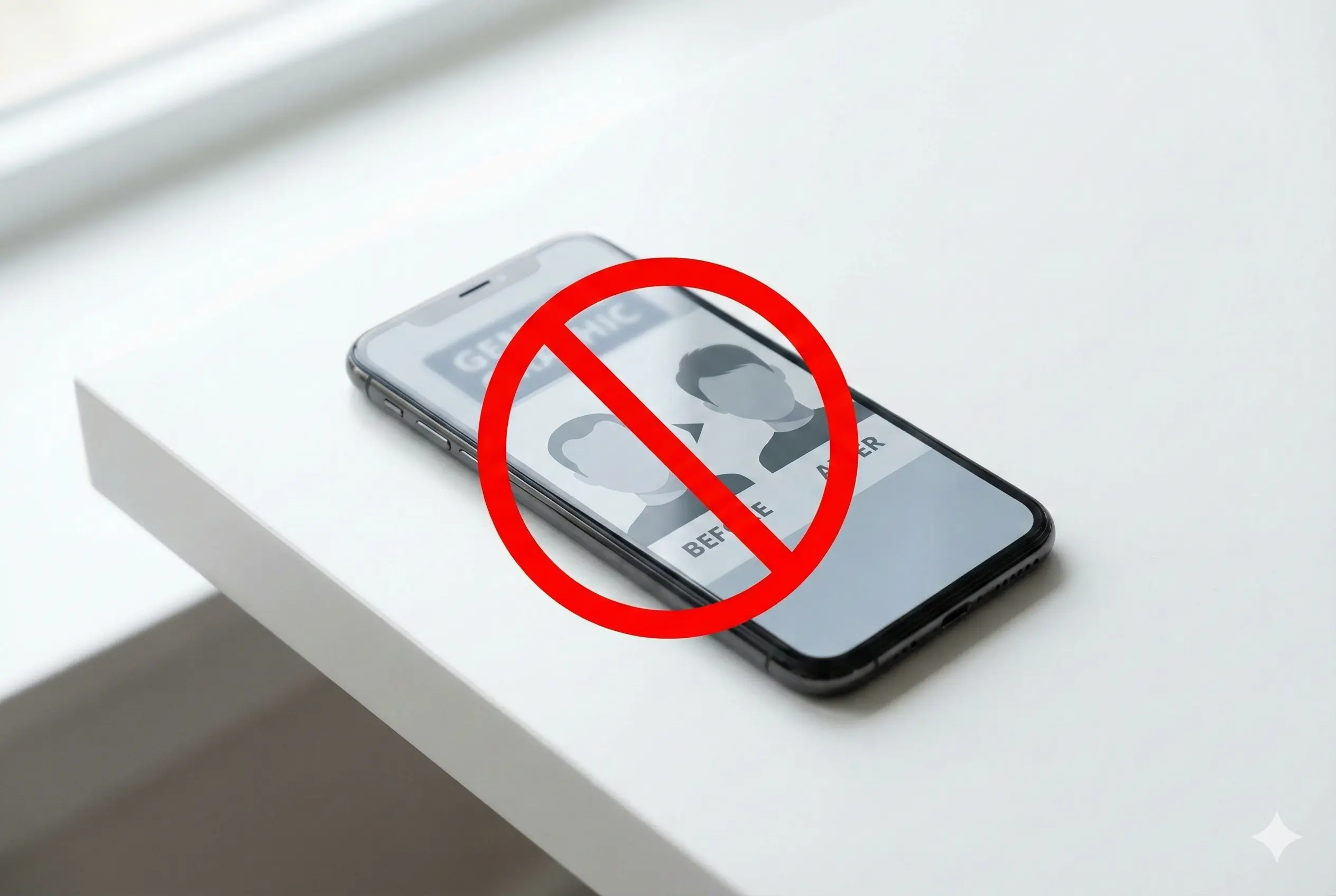
I was scrolling through Facebook last week when I saw an ad claiming Kelly Clarkson lost 40 pounds using a “simple gelatin trick.” The before-and-after photos looked real, and the fake news article seemed legitimate at first glance. However, something felt off about the whole thing.
Before clicking the link, I decided to check Kelly Clarkson’s actual Instagram account. Guess what? She never mentioned gelatin once. In fact, she’s been very open about her real weight loss journey, which had nothing to do with any tricks.
After extensive investigation into these viral celebrity weight loss claims, checking official celebrity statements, reviewing FTC regulations, and researching the scam tactics being used, I discovered a widespread fraud targeting millions of people. Here’s everything you need to know about these fake celebrity gelatin endorsements, what celebrities actually did to lose weight, and how to protect yourself from these sophisticated scams.
Table of Contents
The Viral Celebrity Gelatin Weight Loss Claims
These fake advertisements have flooded social media platforms for months, using recognizable celebrity names to sell questionable products. Moreover, the ads look increasingly legitimate thanks to AI technology. Therefore, understanding what these scams claim helps you recognize and avoid them.
Which Celebrities Are Being Falsely Used
Kelly Clarkson appears most frequently in these fake gelatin weight loss ads. Additionally, scammers falsely use Dr. Mark Hyman, Melissa McCarthy, Rebel Wilson, Adele, and other celebrities who’ve experienced visible weight changes. Furthermore, the scammers specifically target celebrities who’ve been open about health journeys because it makes the lies seem more believable.
Dr. Mark Hyman posted an official warning on his website stating that AI-generated images and fabricated quotes are being used without his permission. Moreover, he explicitly warns that he has never endorsed any gelatin trick, weight loss gummies, or similar products. Nevertheless, new fake ads using his image appear constantly across social media platforms.
Additionally, Kelly Clarkson has addressed weight loss questions in interviews but never mentioned gelatin products. However, scammers take her real weight loss journey and attach fake endorsements to capitalize on her transformation. As a result, thousands of people believe these celebrities are genuinely recommending these products.
What the Fake Ads Actually Claim
The fake advertisements typically claim that celebrities lost 30 to 60 pounds in weeks using a “gelatin water trick” or “gelatin gummies.” Moreover, they promise effortless weight loss without diet or exercise. Additionally, the ads often claim the celebrity is “shocked doctors don’t want you to know this.”
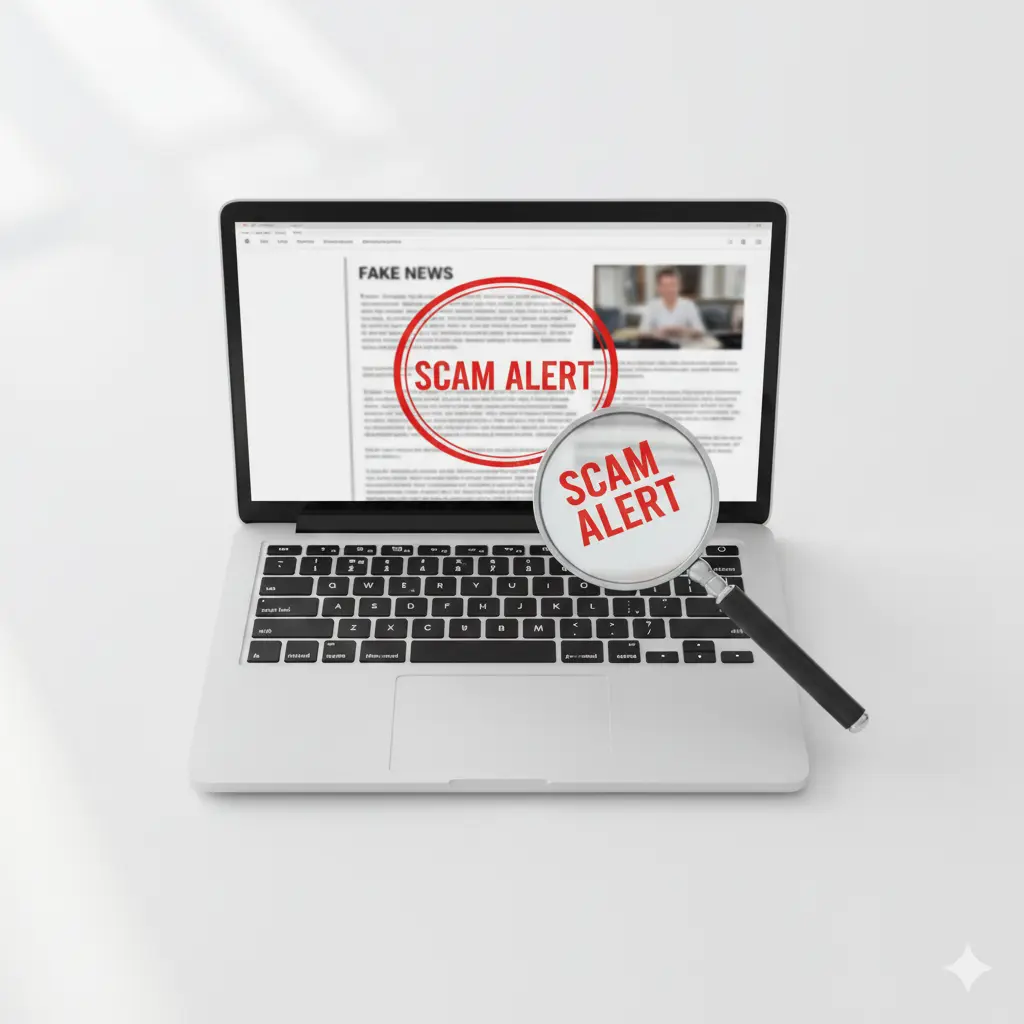
Furthermore, these ads lead to fake news article pages designed to look like legitimate publications. The fabricated articles include fake quotes, manipulated before-and-after photos, and impressive weight loss claims. As a result, the entire presentation seems credible despite being completely fraudulent.
Nevertheless, these claims violate basic scientific principles about weight loss. Moreover, no celebrity mentioned has actually endorsed any gelatin weight loss product. Therefore, every single one of these advertisements represents consumer fraud.
The Truth: Did Any Celebrity Actually Endorse Gelatin for Weight Loss?
Let me be absolutely clear based on verified sources and official celebrity statements: no celebrity has legitimately endorsed gelatin as a weight loss trick. Moreover, the celebrities being used in these ads have either publicly denied the claims or never mentioned gelatin at all.
Kelly Clarkson’s Real Weight Loss Method
Kelly Clarkson has been transparent about her actual weight loss approach in verified interviews. First, she followed a lectin-free diet based on Dr. Steven Gundry’s “Plant Paradox” book. Next, she increased her walking, especially after moving to New York City. Additionally, she’s mentioned taking prescription medication for a thyroid condition that affected her health.
Moreover, she’s emphasized that her weight loss took time and involved multiple lifestyle changes. Furthermore, she’s stated that her primary motivation was health, not appearance. However, she has never mentioned gelatin, gelatin water, or any gelatin-based supplements in any legitimate interview or social media post.
Therefore, any advertisement claiming Kelly Clarkson endorses gelatin weight loss products is completely fraudulent. Additionally, using her name and likeness without permission violates both her rights and consumer protection laws.
Dr. Mark Hyman’s Official Scam Warning
Dr. Mark Hyman has been particularly vocal about fake advertisements using his image. His official website warning explicitly states that scammers are using AI-generated images and fabricated quotes to sell products he’s never endorsed.
Moreover, he warns specifically about fake ads for weight loss gummies, gelatin tricks, and similar products. Additionally, he advises people to verify any claimed endorsement through his official website or verified social media accounts. Furthermore, he notes that he only promotes products through his legitimate channels, not random social media advertisements.
Nevertheless, despite his public warnings and legal actions, new fake ads continue appearing. Therefore, the problem extends beyond any single celebrity and represents a systemic issue with online advertising fraud.
Other Celebrities Falsely Linked to Gelatin
Melissa McCarthy, Rebel Wilson, and Adele have also been falsely associated with gelatin weight loss products. However, none of these celebrities has endorsed such products publicly. Moreover, Melissa McCarthy has specifically rejected diet culture and refuses to discuss weight loss methods in interviews.
Additionally, Rebel Wilson documented her “Year of Health” on social media, which involved working with a trainer and making lifestyle changes. Nevertheless, she never mentioned gelatin or any tricks. Furthermore, Adele has kept her methods private, making any claims about her endorsements completely fabricated.
For understanding what the actual gelatin trick involves (appetite control claims with no celebrity endorsement), see the gelatin trick recipe article that explains the science honestly without false celebrity claims.
How These Fake Celebrity Endorsement Scams Work
Understanding the mechanics behind these scams helps you recognize them instantly. Moreover, knowing the tactics protects you and helps you warn others. Therefore, let me break down exactly how scammers execute these fraudulent campaigns.
AI-Generated Images and Fabricated Quotes
Scammers now use artificial intelligence to create realistic-looking images of celebrities holding products or appearing in fake interviews. Moreover, the technology has become so sophisticated that casual viewers can’t tell the difference. Additionally, they fabricate quotes that sound like something the celebrity might say, making the deception more convincing.
Furthermore, they steal real photos from celebrity social media accounts and manipulate them to appear in fake contexts. As a result, the before-and-after comparisons look authentic even though they’re completely fabricated. Nevertheless, careful examination often reveals inconsistencies in lighting, proportions, or backgrounds.

Fake News Article Landing Pages
When you click these ads, they lead to pages designed to mimic legitimate news websites. Moreover, these fake articles include fabricated bylines, fake publication dates, and completely made-up content. Additionally, they often use names similar to real publications to increase credibility.
Furthermore, the fake articles include sections like “How It Works” and “Customer Reviews” that appear legitimate. However, everything on these pages is manufactured specifically to sell the product. As a result, readers believe they’re reading actual journalism when they’re actually viewing an elaborate advertisement.
The Federal Trade Commission requires that advertisements be clearly identified as such and that endorsements be truthful. Moreover, using celebrity likenesses without permission violates both FTC regulations and intellectual property laws. Nevertheless, enforcement against international scammers remains challenging.
The Subscription Trap Business Model
Many of these scam products operate through subscription traps. First, they offer a “free trial” requiring only shipping costs. However, buried in tiny print, they disclose that you’re actually signing up for monthly shipments at full price. Moreover, they make cancellation extremely difficult.
Additionally, they harvest credit card information that some scammers use for unauthorized charges. Furthermore, they often sell customer information to other scammers, leading to more fraud attempts. As a result, a single purchase can lead to months of financial problems.
Does Gelatin Actually Help with Weight Loss?
After the scam warnings, let’s examine the actual science behind gelatin and weight loss. Moreover, understanding the facts helps you evaluate any weight loss claim critically. Therefore, here’s what research actually shows about gelatin.
What Science Says About Gelatin and Satiety
Gelatin is a protein derived from animal collagen. Moreover, protein generally increases satiety more than carbohydrates or fats. However, gelatin provides incomplete protein, lacking some essential amino acids. Therefore, it’s inferior to complete proteins like whey, eggs, or meat for nutrition.
Additionally, gelatin contains only about 6 calories per tablespoon when mixed with water. Furthermore, some research suggests protein can slightly increase feelings of fullness. Nevertheless, no peer-reviewed studies specifically demonstrate that gelatin water causes significant weight loss.
Moreover, any satiety benefit from gelatin would be modest and temporary. For understanding evidence-based gelatin benefits like joint support, see gelatin for joints which discusses actual research with proper context.
Why Gelatin Isn’t a Weight Loss Solution
Weight loss requires consuming fewer calories than you burn, creating a calorie deficit. Moreover, gelatin water adds minimal calories but also provides minimal nutrition. Additionally, drinking gelatin water doesn’t magically increase metabolism, burn fat, or block calorie absorption.
Furthermore, any weight loss associated with adding gelatin water likely comes from other dietary changes people make simultaneously. As a result, the gelatin receives credit for weight loss actually caused by overall calorie reduction. Nevertheless, scammers exploit this correlation to make false causation claims.
For understanding legitimate gelatin uses versus false claims, compare the evidence-based information in gelatin for skin tightening which honestly discusses modest benefits backed by research.
What Celebrities Actually Did to Lose Weight
Instead of tricks, celebrities who’ve lost weight typically use evidence-based methods. Moreover, understanding their real approaches provides realistic expectations. Therefore, here’s what celebrities have actually disclosed publicly through verified sources.
Evidence-Based Methods They’ve Discussed Publicly
Kelly Clarkson has stated she followed a specific diet plan focused on reducing lectins, increased daily movement through walking, and took prescribed medication for a thyroid condition. Moreover, she’s emphasized that changes took time and weren’t effortless. Additionally, she’s been clear that health, not appearance, motivated her journey.
Rebel Wilson documented her “Year of Health” on Instagram, showing work with a personal trainer, increased physical activity, and improved nutrition habits. Moreover, she’s discussed the mental and emotional work involved beyond just physical changes. Furthermore, she’s never claimed any tricks or shortcuts made the process easy.
Adele has kept her methods largely private, which is her right. However, photographs show her working with a personal trainer over extended periods. Moreover, credible reports suggest she followed structured nutrition plans. Nevertheless, she hasn’t endorsed any specific diet, product, or method publicly.
Why There Are No Magic Tricks
Sustainable weight loss requires creating a calorie deficit through eating less, moving more, or both. Moreover, this fundamental truth applies to everyone, including celebrities. Additionally, celebrities often have advantages like personal trainers, nutritionists, chefs, and time that make adherence easier.
Furthermore, many celebrities use prescription medications like GLP-1 agonists (Ozempic, Wegovy) when medically appropriate. However, even these medications require lifestyle changes to work effectively and maintain results. As a result, there are no shortcuts, tricks, or magic solutions for anyone.
How to Spot Fake Celebrity Weight Loss Endorsements
Recognizing fake endorsements protects you from scams and helps you warn others. Moreover, certain red flags appear consistently in fraudulent advertisements. Therefore, learning these warning signs provides valuable protection.
Red Flags in Advertisements
First, genuine celebrity endorsements appear on the celebrity’s verified social media accounts, not random ads. Next, legitimate partnerships include official announcements through proper channels. Additionally, real endorsements comply with FTC disclosure requirements clearly stating the relationship.
Furthermore, urgent language like “limited time offer” or “doctors don’t want you to know” signals potential fraud. Moreover, requests for credit card information for “free trials” often lead to subscription traps. As a result, any advertisement displaying these characteristics deserves extreme skepticism.
Additionally, vague product names, missing company information, and no verifiable customer service contacts indicate fraud. Furthermore, prices that seem suspiciously low for claimed benefits typically signal scams. Nevertheless, scammers constantly refine tactics, so maintaining skepticism remains essential.
How to Verify Real Celebrity Partnerships
Check the celebrity’s verified Instagram, Twitter, Facebook, or official website directly. Moreover, look for the blue verification checkmark confirming authenticity. Additionally, search for news coverage in legitimate publications like People, Entertainment Weekly, or major news outlets.
Furthermore, real celebrity partnerships involve contracts, announcements, and ongoing promotion across multiple platforms. As a result, you’ll find consistent messaging from verified sources. Nevertheless, if you only see claims in random ads or suspicious websites, assume fraud.
For understanding what products scammers typically sell, see types of gelatin to learn about legitimate gelatin products versus suspicious “weight loss” formulations.

What to Do If You’ve Been Scammed
If you’ve purchased a product based on fake celebrity endorsements, take immediate action. Moreover, quick response can limit financial damage and help authorities track scammers. Therefore, follow these specific steps right away.

Disputing Charges and Stopping Subscriptions
First, contact your credit card company immediately to dispute the charge. Next, explain that you were deceived by fraudulent advertising. Additionally, request they block future charges from that merchant. Moreover, credit card companies often provide fraud protection for unauthorized or deceptive charges.
Furthermore, call the phone number on your credit card statement (not any number the scammer provides) to cancel subscriptions. Additionally, document all communication attempts with dates and times. As a result, you create evidence if you need to escalate disputes.
Nevertheless, many scam operations make cancellation intentionally difficult or impossible. Therefore, working through your credit card company often proves more effective than trying to contact scammers directly.
Reporting to FTC and Consumer Protection
Report the scam to the FTC at ReportFraud.ftc.gov with as much detail as possible. Moreover, include screenshots of advertisements, fake articles, and any communication with the company. Additionally, provide transaction details and describe how you were deceived.
Furthermore, report to the Better Business Bureau’s Scam Tracker to warn other consumers. Additionally, report fake ads directly to the social media platform where you saw them. Moreover, collective reporting helps platforms identify and remove fraudulent advertisers faster.
Nevertheless, don’t feel embarrassed about being scammed. In fact, these operations fool thousands of people daily using sophisticated psychological manipulation. Therefore, reporting helps protect others while potentially recovering your money.
Why These Scams Keep Appearing
Understanding why these scams persist helps explain why they’re so difficult to eliminate. Moreover, the economics and technology behind them create ongoing challenges. Therefore, let me explain the systemic issues enabling these frauds.
The Economics of Fake Endorsement Advertising
Scammers can create fake ads for minimal cost using AI tools and stolen images. Moreover, if even a tiny percentage of viewers make purchases, the fraud remains profitable. Additionally, operating internationally makes them difficult to prosecute under U.S. consumer protection laws.
Furthermore, scammers quickly abandon detected operations and start new ones under different names. As a result, enforcement efforts constantly chase moving targets. Nevertheless, platforms like Facebook and Instagram continue improving detection systems.
Platform Moderation Challenges
Social media platforms face enormous scale challenges with millions of advertisements daily. Moreover, scammers constantly develop new tactics to evade automated detection systems. Additionally, manual review can’t possibly catch every fraudulent ad before it reaches users.
Furthermore, scammers exploit platform appeals processes to temporarily reinstate removed ads. As a result, fraudulent advertisements may appear, disappear, and reappear multiple times. Nevertheless, major platforms are investing heavily in AI detection systems and partnerships with celebrities to identify fake endorsements faster.
Frequently Asked Questions
Did Kelly Clarkson really use a gelatin trick to lose weight?
No, Kelly Clarkson did not use a gelatin trick. She’s publicly stated she lost weight through a lectin-free diet based on the Plant Paradox book, walking, and prescription medication. Fake advertisements using AI-generated images falsely claim she endorsed gelatin tricks, but these are scams. Always verify celebrity weight loss claims through official sources.
What celebrity weight loss gelatin trick is everyone talking about
The “celebrity weight loss gelatin trick” is a viral marketing scam using fake celebrity endorsements. Fraudulent ads claim stars like Kelly Clarkson, Rebel Wilson, or Melissa McCarthy lost weight with gelatin water, but none of these celebrities actually endorsed these products. These ads use manipulated images and fabricated quotes to sell worthless supplements.
Does drinking gelatin water help you lose weight?
No solid scientific evidence shows that drinking gelatin water causes significant weight loss. While gelatin is a protein that may increase satiety slightly, it contains only 6 calories per tablespoon and won’t create the calorie deficit needed for weight loss. Any weight loss comes from overall diet changes, not gelatin itself
Why do fake celebrity gelatin ads keep appearing?
Scammers use fake celebrity endorsements because they’re profitable and hard to stop. They create AI-generated images, fabricated quotes, and fake news articles that look legitimate. Social media algorithms spread these ads widely before platforms can remove them. Celebrities like Dr. Mark Hyman have issued warnings, but new fake ads appear constantly.
How can I tell if a celebrity weight loss claim is fake?
Check the celebrity’s verified social media accounts or official website for confirmation. Look for suspicious signs like: no direct quotes, vague product names, urgent “limited time” pressure, requests for credit card information, and claims that seem too good to be true. Legitimate celebrity products are announced through official channels, not random Facebook ads.
What did Kelly Clarkson actually do to lose weight?
Kelly Clarkson has stated she followed a lectin-free diet based on Dr. Steven Gundry’s Plant Paradox book, walked regularly in New York City, and took prescription medication for a thyroid condition. She’s never mentioned gelatin tricks or endorsed weight loss supplements. Her weight loss took time and involved multiple lifestyle changes, not a magic trick.
Can gelatin supplements help with appetite control?
Protein generally helps with satiety, and gelatin is a protein. However, gelatin provides incomplete protein lacking some essential amino acids. Studies on protein and satiety typically use complete proteins like whey, not gelatin specifically. While gelatin might help you feel slightly fuller, it’s not a weight loss solution on its own.
Are celebrity-endorsed weight loss products legitimate?
Some celebrity-endorsed products are legitimate, but many “endorsements” are completely fake. Real celebrity partnerships are announced through verified channels, include actual celebrity involvement, and comply with FTC disclosure requirements. If you only see the endorsement in random ads (not on the celebrity’s own platforms), it’s likely fake.
What should I do if I bought a fake celebrity gelatin product?
Contact your credit card company immediately to dispute the charge. Report the scam to the FTC at ReportFraud.ftc.gov and the Better Business Bureau. Check your credit card statements for unauthorized recurring charges, as many scams involve subscription traps. Don’t feel embarrassed; these scams fool thousands of people daily.
Why don’t celebrities sue over fake endorsements?
Many celebrities do pursue legal action, but scammers operate internationally, use fake names, and quickly create new ads when old ones are removed. The legal process is slow while scams spread instantly online. Platforms like Facebook try to remove fake ads, but new ones appear faster than they can be deleted.
Is there any truth to the gelatin weight loss trend?
Gelatin contains protein and very few calories, which could theoretically help with satiety in the context of a calorie-controlled diet. However, no scientific studies show gelatin alone causes weight loss. The “trick” aspect is pure marketing. Real weight loss requires calorie deficit through diet and exercise, not magic tricks.
How do I find legitimate celebrity health information?
Check the celebrity’s verified Instagram, Twitter, or official website. Look for interviews in reputable publications (not random blogs). Celebrities who actually partner with brands announce it clearly on their own platforms. Be skeptical of sensational claims that only appear in ads, not in the celebrity’s own words on their verified accounts.
Final Thoughts
After thoroughly investigating these celebrity weight loss gelatin claims, the conclusion is clear: they’re all scams. Moreover, not a single celebrity mentioned in these advertisements has actually endorsed gelatin weight loss products. Additionally, the science doesn’t support gelatin as a weight loss solution regardless of celebrity involvement.
Furthermore, real weight loss requires creating a calorie deficit through sustainable dietary changes and increased physical activity. Moreover, celebrities who’ve successfully lost weight used evidence-based methods over extended periods, not tricks or shortcuts. Therefore, anyone promising effortless rapid weight loss through simple tricks is trying to scam you.
Nevertheless, these scams will continue appearing because they’re profitable for fraudsters. However, you can protect yourself by verifying all celebrity claims through official sources, recognizing red flags in advertisements, and maintaining healthy skepticism about too-good-to-be-true promises. As a result, you’ll avoid financial loss and disappointment.
If you’ve already been scammed, don’t feel embarrassed. Instead, take immediate action by disputing charges, reporting the fraud, and warning others. Moreover, your reports help authorities track these operations and potentially shut them down. Therefore, speaking up protects both yourself and other potential victims.
Trust verified sources, reject magic thinking about weight loss, and remember that real health improvements take time and effort. Your financial security and health deserve better than falling for sophisticated scams exploiting celebrity names without permission.