
The first time I tried kombucha, I grabbed a bottle just because the label promised glowing gut health and endless energy. I took a sip, felt that fizzy tang on my tongue, and thought, this tastes like a little science project in a glass. Since then, I keep hearing people rave about the benefits of kombucha everywhere.
However, when you actually care about your health, you want more than hype. You want to know which benefits of kombucha are real, which ones are still just guesses, and how to drink it in a way that feels safe and balanced.
In this guide, we will walk through what kombucha really is, what research says about it, how much to drink, and who should be careful. You will also get a simple citrus ginger kombucha recipe that fits into a healthy drink routine without a ton of sugar.
Table of Contents

What Is Kombucha And Why People Talk About Its Benefits
Quick Kombucha Recap
Kombucha starts as sweet tea. You brew black or green tea with sugar, then you add a SCOBY, which is a rubbery disc full of bacteria and yeast. During fermentation, that culture eats the sugar and creates acids, bubbles, and a distinct tang.

Because of this process, kombucha ends up with probiotics, organic acids, small amounts of vitamins and minerals, and tea antioxidants. WebMD notes that the drink contains vitamins, trace minerals, and antioxidant compounds that help protect cells from damage, although it does not contain large amounts of every nutrient. (WebMD)
People talk about the benefits of kombucha because these compounds may support gut health, immune function, and metabolic health. However, experts like those at Mayo Clinic keep reminding everyone that human studies remain limited, so many claims still rest on early or animal research. (Mayo Clinic)
What Makes Kombucha Different From Other Drinks
When you compare kombucha to soda or juice, you notice a few key differences. Kombucha usually contains less sugar, especially if you choose a low sugar brand or brew at home and let it ferment a bit longer.
Also, kombucha belongs to the fermented food family, along with yogurt, kimchi, and sauerkraut. Health articles on fermented foods explain that these drinks and foods carry live bacteria that support gut health and may affect digestion, mood, and immunity. (Health)
Unlike plain tea, kombucha offers both tea polyphenols and living cultures. That mix gives the drink its unique taste and potential gain. At the same time, the benefits of kombucha depend a lot on the brewing method, the final sugar content, and how much you drink.
Proven And Potential Benefits Of Kombucha
Gut Health And Digestion
Many people reach for kombucha because they hear it helps the gut. The drink contains probiotic bacteria and yeast that can join the community in your intestines. Cleveland Clinic explains that fermented drinks like kombucha can feed friendly gut bacteria and help keep harmful microbes in check. (Cleveland Clinic)

A 2025 systematic review looked at clinical trials on kombucha consumption. The authors found that kombucha may help ease gastrointestinal symptoms and shows a modest ability to modulate gut and salivary microbiota. (MDPI) In simple words, regular intake may nudge your gut flora in a helpful direction, although the changes are not dramatic.
Recent research on fiber enriched kombucha also suggests benefits for metabolic health and gut microbes, including positive shifts in triglycerides and microbiota makeup. (PMC) Another study showed that kombucha can modestly change the gut microbiome and biochemical markers in humans, although the effects stayed small due to short duration and small sample size. (Nature)
However, the benefits of kombucha do not show up for everyone in the same way. Some people feel less bloated or more regular. Others feel gassy or even develop diarrhea when they drink too much. A recent health review notes that kombucha can relieve constipation for some people yet may trigger loose stools for others, especially in high amounts. (Verywell Health)
If you want to focus more deeply on the gut story, you can later explore a full guide on kombucha for gut health, but for now it helps to remember that your body’s reaction matters as much as any study.
Antioxidant And Anti Inflammatory Support
Because kombucha comes from tea, it brings tea antioxidants along for the ride. Health.com highlights that kombucha contains antioxidants like vitamin C, selenium, and carotenoids that help protect cells from oxidative stress. (Health) Many lab and animal studies show strong antioxidant activity in different kombucha preparations.
Cleveland Clinic notes that kombucha also contains organic acids, such as acetic and glucuronic acids, which can have antimicrobial and possibly anti inflammatory effects. (Cleveland Clinic) These acids may help fight harmful bacteria in the gut and support liver detox pathways, at least in animal models.
Scientists have also explored kombucha’s potential to help the liver process fat and reduce liver inflammation in animal studies. That suggests kombucha might support liver health in humans in the future, although experts still call for more robust trials. (Health)
So, the antioxidant and anti inflammatory benefits of kombucha appear promising, yet you should see them as gentle support rather than a cure. A glass of kombucha will not erase a poor diet, but it can join a pattern of healthy choices that protect your cells over time.
Blood Sugar, Metabolism, And Heart Health
Another key part of the benefits of kombucha story involves metabolism. Researchers have tested whether kombucha can help lower blood sugar spikes and improve cholesterol. Early animal studies showed that kombucha can reduce fasting glucose and improve lipid profiles compared with plain tea. (MDPI)

More recently, a small human study found that drinking kombucha with a high carbohydrate meal produced lower blood sugar levels compared with a control drink. Health.com reported that fermentation byproducts and reduced final sugar content may help slow glucose absorption and digestion, which leads to gentler blood sugar curves. (Health)
A broader 2025 review of clinical trials concluded that kombucha has modest effects on metabolic markers. It can slightly improve some glucose parameters and influence metabolomic profiles, especially when people use it as a replacement for sugary drinks. (MDPI)
Experts interviewed by Verywell Health and other outlets point out that kombucha may support weight management indirectly. It can help regulate the gut microbiome, provide antioxidants, and support more stable blood sugar, which together may reduce cravings and overeating. (Health) However, they also stress that kombucha does not act as a magic fat burning drink.
If you specifically care about using kombucha inside a slimming routine, you can later check the full kombucha recipe for weight loss, which focuses on low sugar brews and drink swaps.
How Much Kombucha To Drink For Benefits Without Risk
Daily Amounts That Make Sense
With all these potential benefits, it feels tempting to drink a lot. However, most experts advise moderation. Cleveland Clinic suggests that for many healthy adults, 4 to 8 ounces per day makes sense, and you may go up to 16 ounces if you tolerate it well. (Cleveland Clinic)

Mayo Clinic and other medical sources also remind readers that kombucha contains acids, sugar, caffeine, and small amounts of alcohol, so huge daily amounts can irritate your stomach or your teeth. (Mayo Clinic)
A recent Health.com piece on blood sugar and kombucha recommends keeping intake around one cup per day and paying attention to total added sugar across your diet. (Health) If you choose flavored store bought brands, sugar can climb quickly.
If you feel unsure about your ideal serving size, you can read an entire guide on how often to drink kombucha, but as a simple rule, start small, watch how you feel, and increase slowly only if your body responds well.
Signs You May Need To Cut Back
Even when you chase the benefits of kombucha, your body can send clear signals that it has had enough. If you notice new bloating, stomach cramps, diarrhea, or heartburn after you start drinking kombucha, those signs may tell you to reduce the amount or take a break. (Verywell Health)
Some people feel light headed or slightly buzzed after a bottle. That can happen because fermentation creates a little alcohol and because kombucha often contains caffeine from tea. If that sensation bothers you, try drinking less, choose a brand with lower alcohol content, or drink with food to soften the effect.
If you already struggle with reflux or sensitive digestion, you might feel better with a lower acid drink instead. In that case, you always have the option to focus on herbal teas and water, and save kombucha for rare occasions. When symptoms feel strong or persistent, it makes sense to talk with your doctor.
Who Should Be Careful With Kombucha
Pregnancy, Breastfeeding, And Kids
The benefits of kombucha do not apply equally to everyone. Pregnant and breastfeeding people often fall into caution zones. Because kombucha contains small amounts of alcohol, caffeine, and live microbes, many doctors recommend avoiding it during pregnancy and early breastfeeding. (Mayo Clinic)

Children also need special care. Verywell Health notes that kombucha is not recommended for young kids, especially under age four, because of the alcohol content and the risk of contamination or metabolic stress. (Verywell Health) For older kids and teens, parents should talk with a pediatrician before offering kombucha, and if they do use it, they should limit the portion and choose pasteurized or safely brewed options.
If you want to look at the specific angle for women, including hormone health and iron concerns, a separate article on benefits of kombucha for females can give a more targeted view.
Health Conditions And Medications
People with weakened immune systems, liver or kidney disease, or serious chronic conditions need to be especially cautious. Because kombucha contains live microbes and organic acids, contaminated or overly fermented batches may cause infections or metabolic acidosis in vulnerable individuals. Mayo Clinic and WebMD both describe case reports of adverse events linked to unsafe home brews and heavy intake. (Mayo Clinic)
If you take medications that affect the liver, blood sugar, or immune function, kombucha might interact with your treatment plan. Experts suggest that these individuals either skip kombucha or ask their healthcare team before adding it to their routine. (EBSCO)
For many people, choosing commercial kombucha from reputable brands and drinking small servings reduces the risk. However, anyone who notices unusual symptoms like dizziness, chest pain, yellowing skin, or severe stomach pain after drinking kombucha should stop and seek medical advice. For a deeper look at potential problems, you can later explore a full guide to kombucha side effects.
A Simple Healthy Way To Enjoy Kombucha At Home
Citrus Ginger Kombucha Refresher (Recipe Card)
This easy drink highlights the benefits of kombucha in a refreshing way while keeping sugar modest. You can use store bought plain kombucha or your own homemade version.

Citrus Ginger Kombucha Refresher

Equipment
- Small jug or large glass For mixing the drink
- Spoon or muddler To gently press the ginger slices
- Citrus juicer Optional, for juicing the orange and lime
- Measuring cup To measure kombucha and sparkling water
Ingredients
- 240 ml plain kombucha, chilled (about 1 cup)
- 240 ml cold sparkling water (about 1 cup)
- 1 small orange, juiced
- 1 lime, juiced
- 3 slice fresh ginger, thinly sliced
- ice cubes, for serving
- 1 slice orange, for garnish
- 1 slice lime, for garnish
Instructions
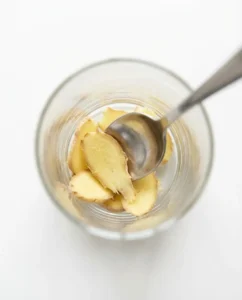
- Add the ginger slices to the bottom of a large glass or small jug. Gently press them with a spoon so they release their aroma and juice.

- Pour the chilled kombucha into the glass or jug and stir gently so the ginger flavor starts to infuse.
- Add the cold sparkling water and stir again. This stretches the kombucha and keeps the drink light and bubbly.
- Pour in the orange juice and lime juice. Stir, then taste the drink and adjust the citrus if you want more tang.
- Fill a serving glass with ice cubes and strain or pour the citrus ginger kombucha over the ice, leaving the ginger slices behind if you prefer.
- Garnish the glass with an orange slice and a lime slice. Serve right away while the drink feels cold, fizzy, and refreshing.

Notes
If you want more ideas centered on ginger, you can explore ginger kombucha benefits in a dedicated recipe and benefits guide.
Tips To Keep Your Kombucha Benefits High And Sugar Low
If you want to enjoy the benefits of kombucha without loading up on sugar, a few small habits can help.
First, choose plain or lightly flavored versions instead of very sweet blends. You can always add your own citrus or herbs at home. Second, aim for one small glass at a time instead of several bottles. Finally, read labels and look for brands with total sugar closer to the lower end of the typical range. (Health)
At home, you can brew longer for a more tangy taste and less residual sugar, as long as you still enjoy the flavor. You can also treat kombucha as a special drink, not a constant sip. Try pairing it with meals rich in fiber and protein, so your overall blood sugar response stays gentle.
When you build a whole routine around smart drinks, kombucha fits nicely next to water, herbal teas, and nutrient dense smoothies. Over time, that pattern matters more for your health than any single bottle.
Frequently Asked Questions About The Benefits Of Kombucha
What are the main health benefits of kombucha
People often talk about better digestion, gut support, antioxidant intake, and softer blood sugar spikes when they describe the benefits of kombucha. These effects come from probiotics, polyphenols, organic acids, and small amounts of vitamins. A 2025 systematic review found that kombucha can ease gastrointestinal symptoms and modestly modulate microbiota and metabolic markers, although more research is still needed. (MDPI)
Is kombucha actually good for your gut health
Kombucha contains live bacteria and yeast that can act like probiotics. These microbes, along with organic acids and tea polyphenols, may help balance gut flora and support regular bowel movements. Health.com and other sources list gut health as one of the key benefits of kombucha, yet they also warn that some people feel gassy or experience diarrhea if they drink too much. (Health)
What are the risks and side effects of drinking kombucha
Possible side effects include stomach discomfort, bloating, diarrhea, allergic reactions, and in rare cases more serious issues like acidosis or liver problems. Risks rise when people brew kombucha at home in unsafe containers, let it ferment far too long, or drink very large amounts. Mayo Clinic and WebMD both stress that kombucha is not risk free and that safer brewing and moderate intake matter. (Mayo Clinic)
How much kombucha is safe to drink per day
For many healthy adults, 4 to 8 ounces per day seems like a reasonable target. Cleveland Clinic notes that this amount helps you enjoy potential benefits of kombucha without overdoing sugar, acids, or alcohol. (Cleveland Clinic) If you have health conditions, your safe amount may be lower, so it is always wise to ask your doctor.
Are there proven kombucha benefits for weight loss
Studies do not show that kombucha alone causes weight loss. However, experts say it may support weight management in several indirect ways. Kombucha can help maintain a healthier gut microbiome, may stabilize blood sugar, and works as a replacement for sugary drinks. Verywell Health and Health.com both describe kombucha as a supportive tool inside a broader lifestyle that includes diet and movement. (Health)
Who should avoid drinking kombucha
People who are pregnant, breastfeeding, very young children, and individuals with weakened immune systems generally should avoid kombucha or only use it under medical guidance. (Verywell Health) Those with liver or kidney disease, uncontrolled diabetes, or a history of alcohol sensitivity should also talk with a doctor before trying it.
Are organic kombucha benefits better than regular kombucha
Organic kombucha uses organic tea and sugar, which may reduce exposure to pesticide residues. That feels like a plus for many people. However, current evidence does not show that organic versions offer completely different health benefits compared with well made non organic kombucha. The main gains still come from the fermentation process and the live cultures rather than the label alon
Do brands like Synergy or Health Ade offer different benefits
Most major kombucha brands provide similar core advantages. They all supply probiotics, organic acids, and antioxidants in varying amounts. Some brands keep sugar lower, while others add juices and flavors that increase calories. The practical benefits of kombucha you get from each bottle will depend more on its sugar content, serving size, and your overall diet than on the brand name.
Final Thoughts On The Benefits Of Kombucha
When you look closely, the benefits of kombucha turn out to be real but gentle. The drink offers probiotics, organic acids, and antioxidants that can support gut health and metabolism in modest ways. At the same time, the science reminds us that kombucha is not a cure and should not replace medical care or a balanced lifestyle.
If you decide to keep kombucha in your routine, enjoy small servings, choose lower sugar options, and pay attention to how your body feels. You can treat kombucha as one more healthy drink choice, right alongside water, herbal tea, and nutrient rich smoothies. With that mindset, you can enjoy the fizz and flavor while staying grounded in what research actually says.