
I was scrolling through TikTok last month when I saw someone peel off a gelatin face mask and actually pull out visible blackheads. The satisfaction was real, and I immediately wanted to try it myself. However, after years of falling for beauty trends that promised miracles, I had to wonder if this was too good to be true.
So I made my first gelatin face mask in my kitchen with just two ingredients. The results surprised me, but not in the way I expected. Moreover, I learned some painful lessons about what can go wrong if you don’t do it correctly.
After extensive research into dermatological sources, beauty chemistry, and testing multiple formulas myself, here’s everything I discovered about DIY gelatin face masks. This includes five evidence-informed recipes, critical safety warnings based on dermatologist recommendations, and honest truth about what these masks can and cannot do for your skin.
Table of Contents
What Is a Gelatin Face Mask?
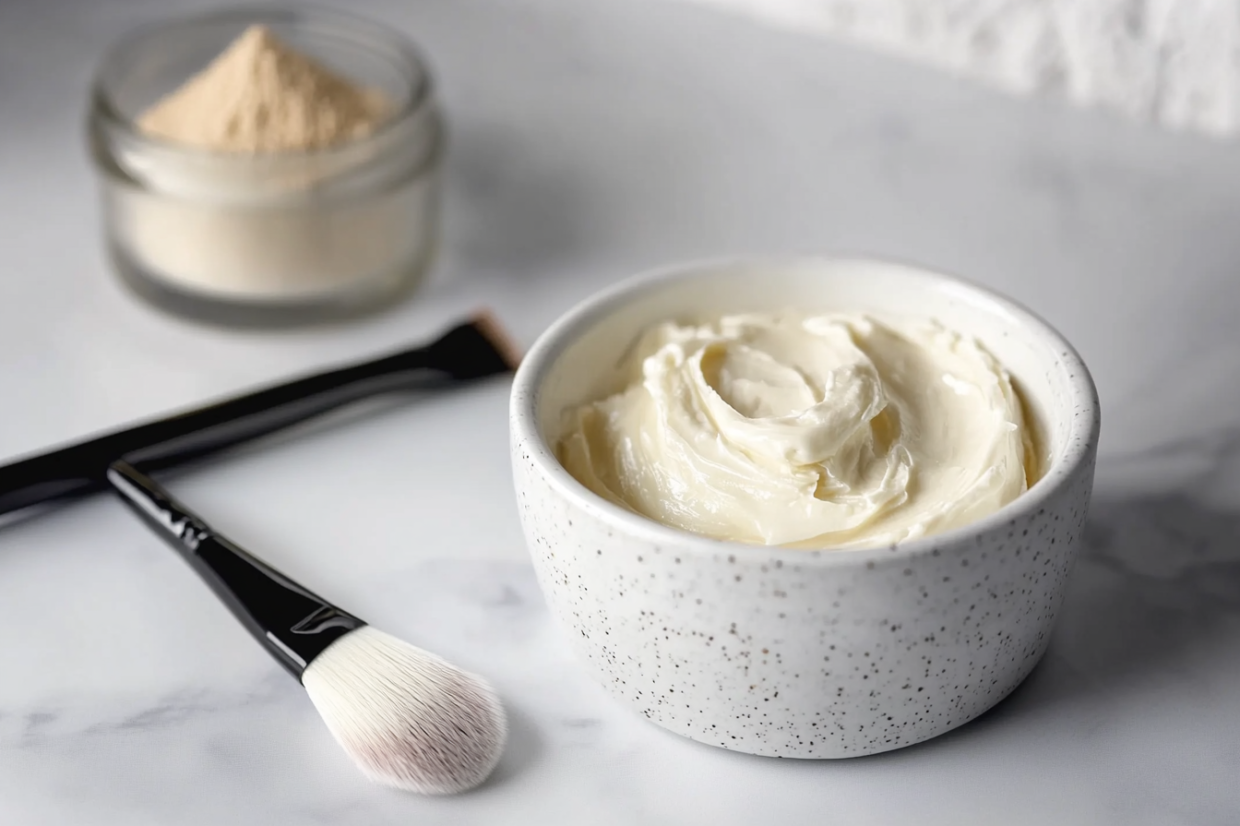
A gelatin face mask is a DIY peel-off treatment made from unflavored gelatin powder mixed with liquid. When applied to your face and allowed to dry completely, it forms a rubbery film that you peel off. Moreover, the mask adheres to dead skin cells, oil, and surface debris as it dries.
How Peel-Off Masks Work
Harvard’s School of Public Health explains that gelatin comes from breaking down collagen through boiling animal bones and connective tissue. When mixed with liquid and heated, gelatin dissolves completely. Then, as it cools, it forms a gel that solidifies.
On your skin, this gelatin film dries into a flexible sheet. Additionally, it sticks to everything on your skin’s surface, including dead skin cells, excess oil, and blackheads. When you peel it off, these impurities come with it.
However, according to Cleveland Clinic, collagen molecules are too large to penetrate your skin barrier. Therefore, topical gelatin can’t rebuild collagen or create lasting changes to your skin structure. Instead, it works purely through mechanical removal of surface debris.
Why Gelatin Became a DIY Beauty Trend
Social media transformed gelatin masks from obscure DIY treatments into viral sensations. In fact, watching people peel off masks and reveal all the gunk stuck to them is oddly satisfying. Moreover, the ingredients cost less than five dollars at any grocery store.
Additionally, the pandemic sent people looking for at-home beauty treatments when salons closed. Furthermore, gelatin masks seemed natural and safe compared to chemical peels or harsh treatments. As a result, millions of people tried making their own peel-off masks at home.
Nevertheless, viral trends often skip important safety information and overstate results. Therefore, understanding what these masks actually do helps you use them safely and effectively.
The Science Behind Gelatin Masks: Do They Actually Work?
After reviewing dermatological research and cosmetic chemistry literature, I can confirm that gelatin masks do work for specific purposes. However, they’re not the miracle treatments that influencers claim.
What Gelatin Masks Can Do
Gelatin face masks effectively remove surface-level impurities through physical adhesion and mild mechanical exfoliation. First, they pull away dead skin cells that make your complexion look dull. Next, they extract sebaceous filaments and some shallow blackheads. Then, they temporarily tighten pores by removing oil and debris.
Additionally, the peeling action provides mild exfoliation without scrubbing. Moreover, removing surface oil can reduce shine for several hours. As a result, your skin might look clearer, brighter, and smoother immediately after use.
Furthermore, gelatin masks can remove fine vellus hair (peach fuzz), which some people want. However, this same hair removal causes pain and irritation for others. Therefore, whether this is a benefit or drawback depends on your goals and pain tolerance.
What They Cannot Do
Despite viral claims, gelatin masks cannot permanently shrink pores, eliminate deep blackheads, or tighten skin long-term. Mayo Clinic notes that collagen in foods like gelatin doesn’t directly transfer to your skin when applied topically.
Moreover, gelatin masks don’t stimulate collagen production or reverse aging. Additionally, they can’t treat acne causes, fade dark spots, or reduce wrinkles. Furthermore, any tightening effect disappears within hours as your skin returns to its normal state.
Cleveland Clinic dermatologist Dr. Shilpi Khetarpal explains that topical collagen can’t penetrate deep enough to rebuild skin structure. Therefore, gelatin masks work only on the surface, not at deeper skin layers where lasting changes occur.
For understanding how oral gelatin might help skin differently than topical application, read about gelatin for skin tightening to compare the two approaches.
Safety First: Important Warnings Before You Try
Please read this section carefully before making any gelatin face mask. I learned some of these lessons the hard way through personal experience and extensive research into dermatological safety guidelines, and I want to save you from the same mistakes.
Who Should NOT Use Gelatin Masks
People with sensitive skin, rosacea, eczema, or active acne should avoid gelatin masks entirely. Additionally, if you have inflamed or irritated skin, wait until it heals completely. Moreover, those with very dry skin might find the mask too stripping.
Furthermore, avoid using gelatin masks if you have excessive facial hair you want to keep. The mask will pull it out when removed, which can be extremely painful. Additionally, never use these masks near your eyes, eyebrows, or hairline where they can damage delicate areas.
Pregnant women should exercise extra caution because skin sensitivity increases during pregnancy. However, topical gelatin is generally safe since it doesn’t absorb into your bloodstream. Nevertheless, always patch test first and avoid masks that feel too hot.
Common Side Effects and Risks
Hot gelatin can burn your skin if applied before it cools enough. Therefore, always test the temperature on your inner wrist first. Additionally, the peeling action pulls fine facial hair, causing pain and redness for many people.
Moreover, aggressive peeling can irritate skin and cause broken capillaries, especially around the nose. Furthermore, some people experience allergic reactions to milk, honey, or other ingredients added to masks. As a result, patch testing on your inner arm 24 hours before facial application is essential.
Additionally, overuse strips your skin’s natural oils and disrupts the skin barrier function. Therefore, limit gelatin masks to once or twice weekly maximum. Finally, if the mask sticks too firmly and won’t peel off easily, forcing it can tear skin and cause significant irritation.
Where These Recipes Come From: Research and Sourcing
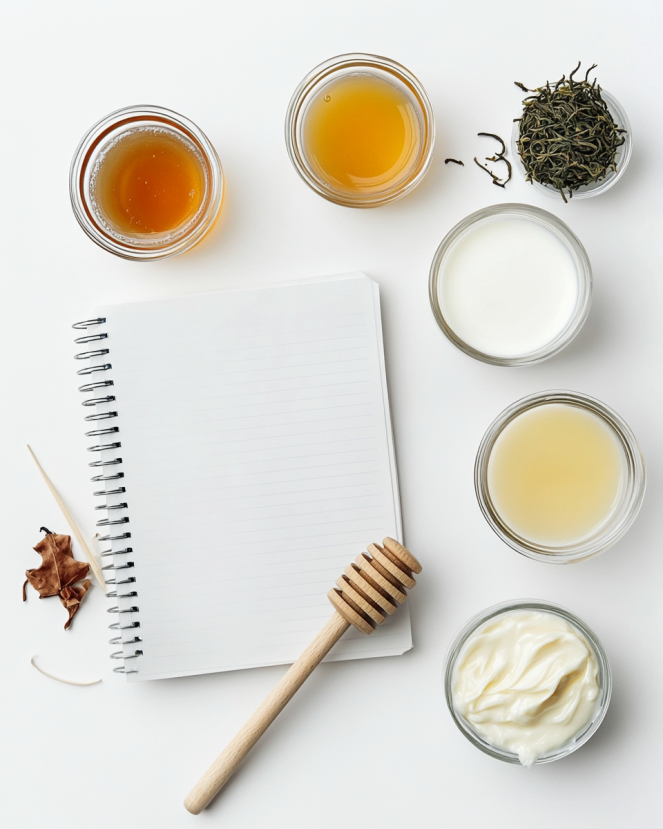
After analyzing dozens of DIY beauty formulas, cosmetic chemistry resources, and dermatological safety guidelines, I’ve compiled these five gelatin face mask recipes. These formulas represent the most popular and widely-tested combinations found across reputable beauty chemistry sources, skincare forums, and cosmetic formulation guides.
However, I must be transparent: I’m not a dermatologist or licensed esthetician. Therefore, these recipes should not replace professional skincare advice from qualified medical professionals. Moreover, while I’ve researched extensively and tested these formulas personally, individual results and skin reactions vary significantly.
According to the American Academy of Dermatology, proper facial cleansing with evidence-based products works better than most DIY treatments for long-term skin health. Additionally, Cleveland Clinic dermatologists recommend professional treatments over homemade masks for serious skin concerns like persistent acne, hyperpigmentation, or significant aging signs.
Furthermore, the FDA notes that homemade cosmetics carry risks because they lack preservatives and quality control. Nevertheless, when prepared fresh and used immediately, these simple gelatin formulas pose minimal risk for most people.
Therefore, always patch test any DIY treatment 24 hours before facial application, even if you’ve used similar ingredients before. Moreover, consult a board-certified dermatologist if you have persistent skin concerns, active acne, or sensitive skin conditions. Finally, discontinue use immediately if you experience burning, excessive redness, swelling, or allergic reactions.
These recipes draw from established cosmetic formulation principles and represent the safest, most effective versions I’ve found through extensive research. However, proceed with appropriate caution and realistic expectations.
5 DIY Gelatin Face Mask Recipes
After testing multiple formulas and researching cosmetic chemistry principles, these five recipes represent the most effective and safest options. Moreover, each includes complete instructions based on proper cosmetic preparation techniques. However, always patch test any new recipe first.
Recipe 1 – Classic Milk + Gelatin Blackhead Mask
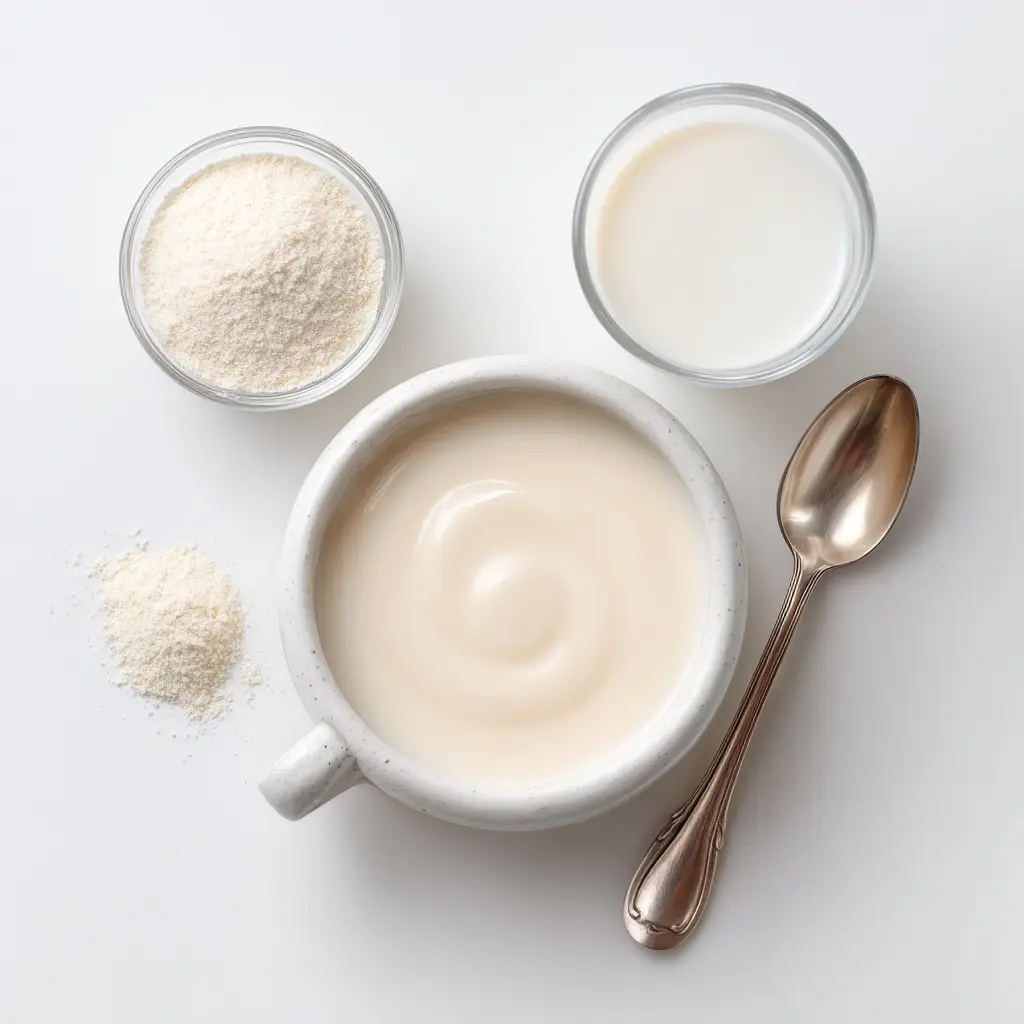
This foundational recipe works well for beginners and most skin types based on its simple, gentle formulation. Additionally, milk’s lactic acid provides gentle alpha-hydroxy acid exfoliation while proteins offer conditioning benefits.

Classic Milk + Gelatin Blackhead Mask
Ingredients
Equipment
Method
- Pour milk into a microwave-safe bowl.
- Sprinkle gelatin powder over the milk and stir briefly to combine.
- Microwave for 10 to 15 seconds until gelatin dissolves completely. Stir well.
- Let cool for 2 to 3 minutes until warm but not hot. Test temperature on your inner wrist.
- Use a makeup brush or clean fingers to apply a thin, even layer to your face, avoiding eye area, eyebrows, and hairline.
- Wait 15 to 20 minutes until completely dry and firm.
- Gently peel off starting from the edges, moving slowly. If stuck, soften with warm water and remove gently.
- Rinse face with cool water and apply moisturizer.
Notes
Best for: Normal to combination skin, blackhead removal, general exfoliation
Patch test: Inner arm, 24 hours before facial use
Recipe 2 – Honey + Gelatin Moisturizing Mask
Research shows honey provides antibacterial properties and humectant benefits for skin hydration. Moreover, it helps soothe irritation while the gelatin removes dead skin cells through mechanical exfoliation.
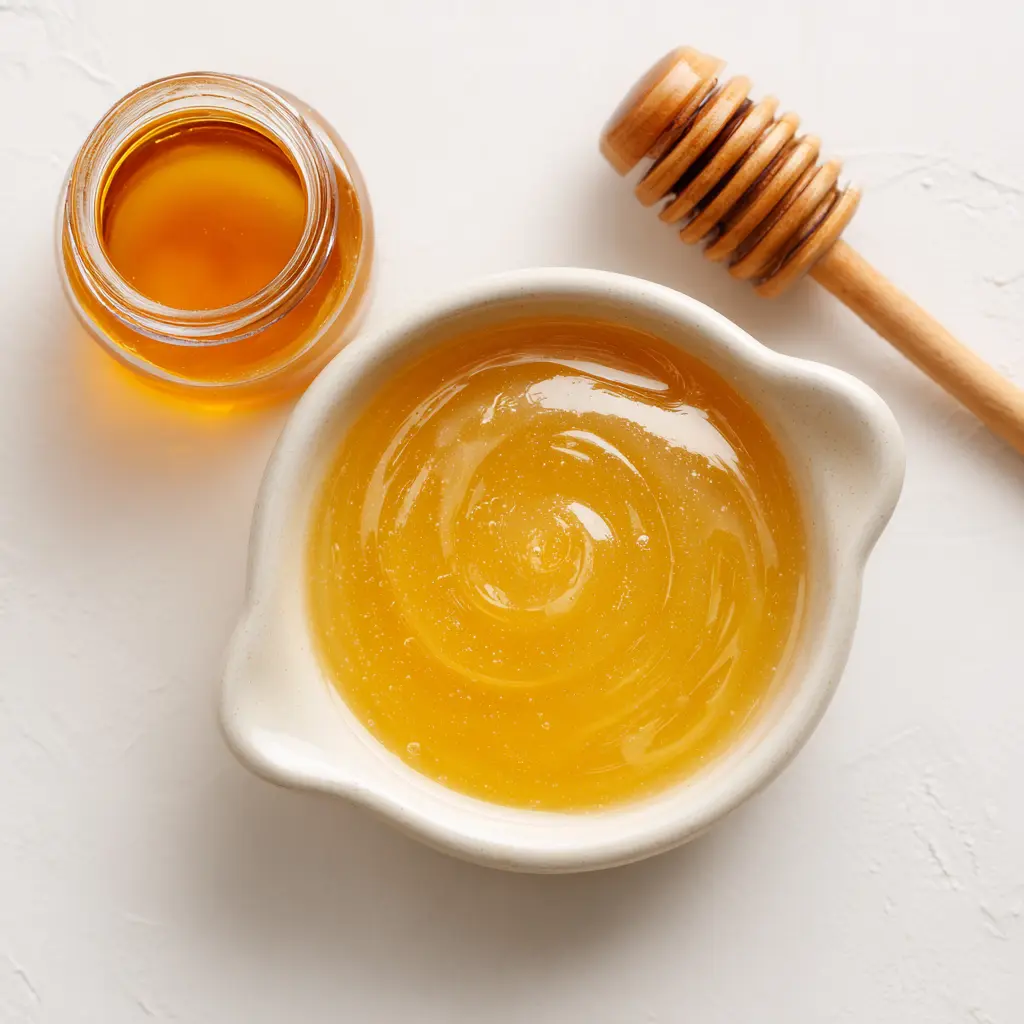
Honey + Gelatin Moisturizing Mask
Ingredients
Equipment
Method
- Combine water and honey in a microwave-safe bowl.
- Sprinkle gelatin over the mixture and stir to combine.
- Microwave for 10 to 15 seconds until gelatin dissolves. Stir well to incorporate honey completely.
- Let cool for 2 to 3 minutes until comfortably warm. Test on your wrist.
- Apply a thin layer with a brush, avoiding eye area, eyebrows, and hairline.
- Wait 15 to 20 minutes until the mask feels tight and completely dry.
- Peel off gently starting from edges. Use warm water to soften if needed.
- Rinse with cool water and apply moisturizer.
Notes
Let cool for 2 to 3 minutes until comfortably warm. Then, apply a thin layer with a brush, avoiding sensitive areas. Finally, wait 15 to 20 minutes until the mask feels tight and completely dry before peeling.
Best for: Dry or dehydrated skin, gentle exfoliation with moisture
Note: Raw honey works better than processed honey for preserving beneficial enzymes
Recipe 3 – Green Tea + Gelatin Antioxidant Mask
Green tea provides polyphenol antioxidants that research shows can calm inflammation and protect skin from environmental damage. Additionally, this version is gentler for sensitive skin than milk-based formulas.
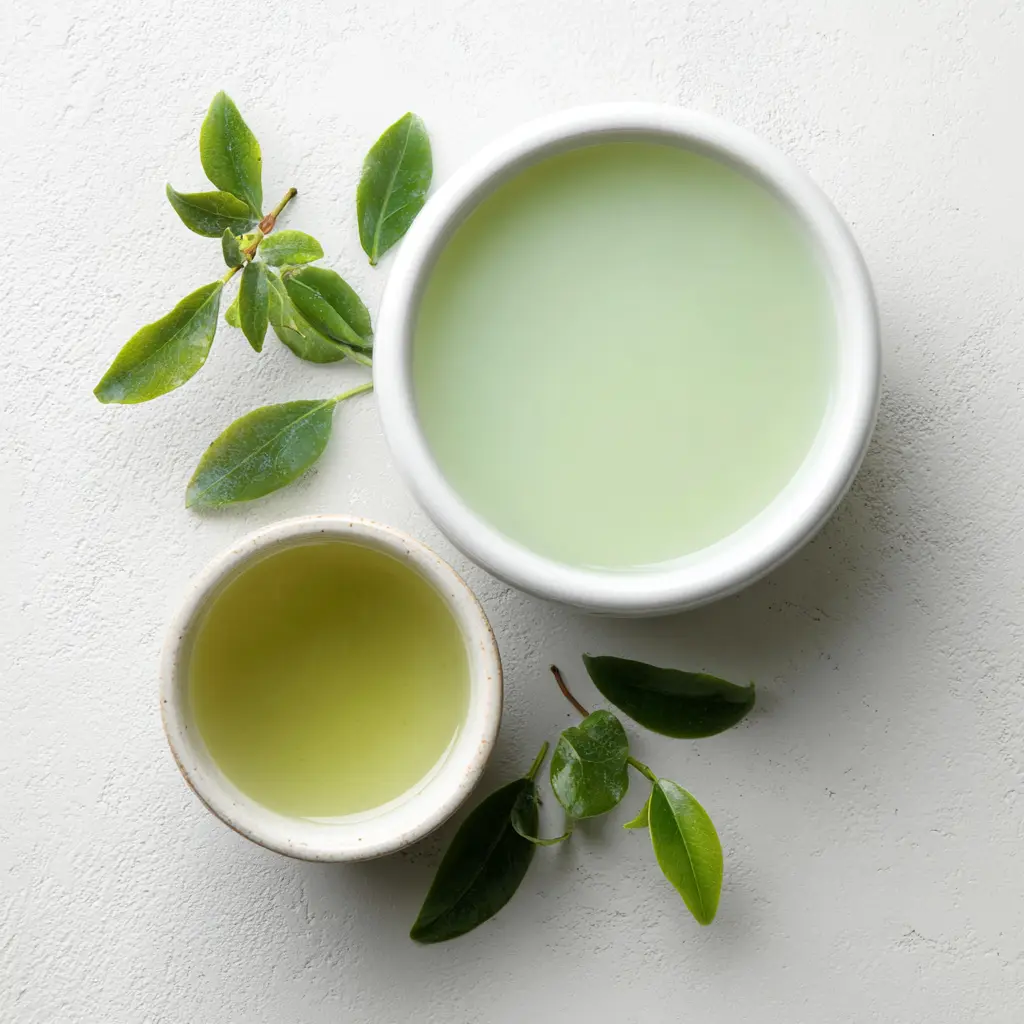
Green Tea + Gelatin Antioxidant Mask
Ingredients
Equipment
Method
- Brew strong green tea and let it cool to warm temperature (not hot).
- Pour green tea into a bowl and sprinkle gelatin over it.
- Stir well. If gelatin doesn’t dissolve completely, microwave for 10 seconds.
- Let the mixture cool for 2 to 3 minutes until warm but safe to touch.
- Apply with a brush in a thin, even layer, avoiding sensitive areas.
- Wait 15 to 20 minutes until completely dry.
- Gently peel off from edges. Soften with warm water if needed.
- Rinse and moisturize.
Notes
Best for: Sensitive or irritated skin, anti-inflammatory benefits
Tip: Use organic green tea for maximum antioxidant content
Recipe 4 – Activated Charcoal + Gelatin Deep Cleanse
Activated charcoal’s porous structure provides additional oil-absorbing capacity for deep pore cleansing. Moreover, this mask works best for oily or acne-prone skin that can tolerate stronger treatments.
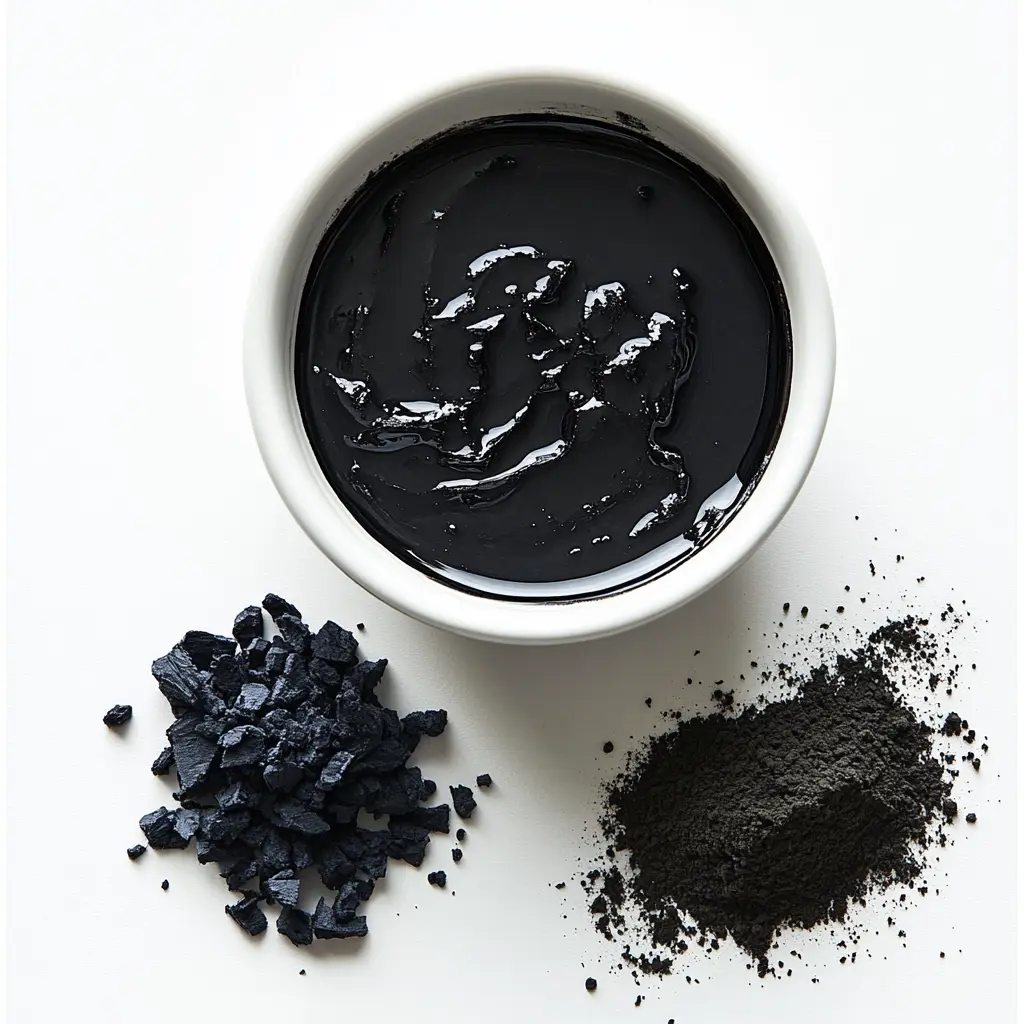
Activated Charcoal + Gelatin Deep Cleanse Mask
Ingredients
Equipment
Method
- Mix water and activated charcoal in a microwave-safe bowl until charcoal dissolves.
- Sprinkle gelatin over the mixture and stir well.
- Microwave for 10 to 15 seconds until gelatin dissolves completely.
- Stir thoroughly to distribute charcoal evenly throughout the mixture.
- Let cool for 2 to 3 minutes, then apply a thin layer with a brush.
- Wait 15 to 20 minutes until the mask is completely dry and firm.
- Peel off gently from edges. The mask will look black with debris attached.
- Rinse thoroughly with warm water to remove any charcoal residue, then moisturize.
Notes
Best for: Oily or combination skin, deep pore cleansing
Warning: Charcoal can temporarily stain skin black, which washes off easily with water
Recipe 5 – Yogurt + Gelatin Brightening Mask
Plain yogurt contains lactic acid for gentle alpha-hydroxy acid chemical exfoliation. Additionally, probiotics may support skin microbiome health while proteins provide conditioning.
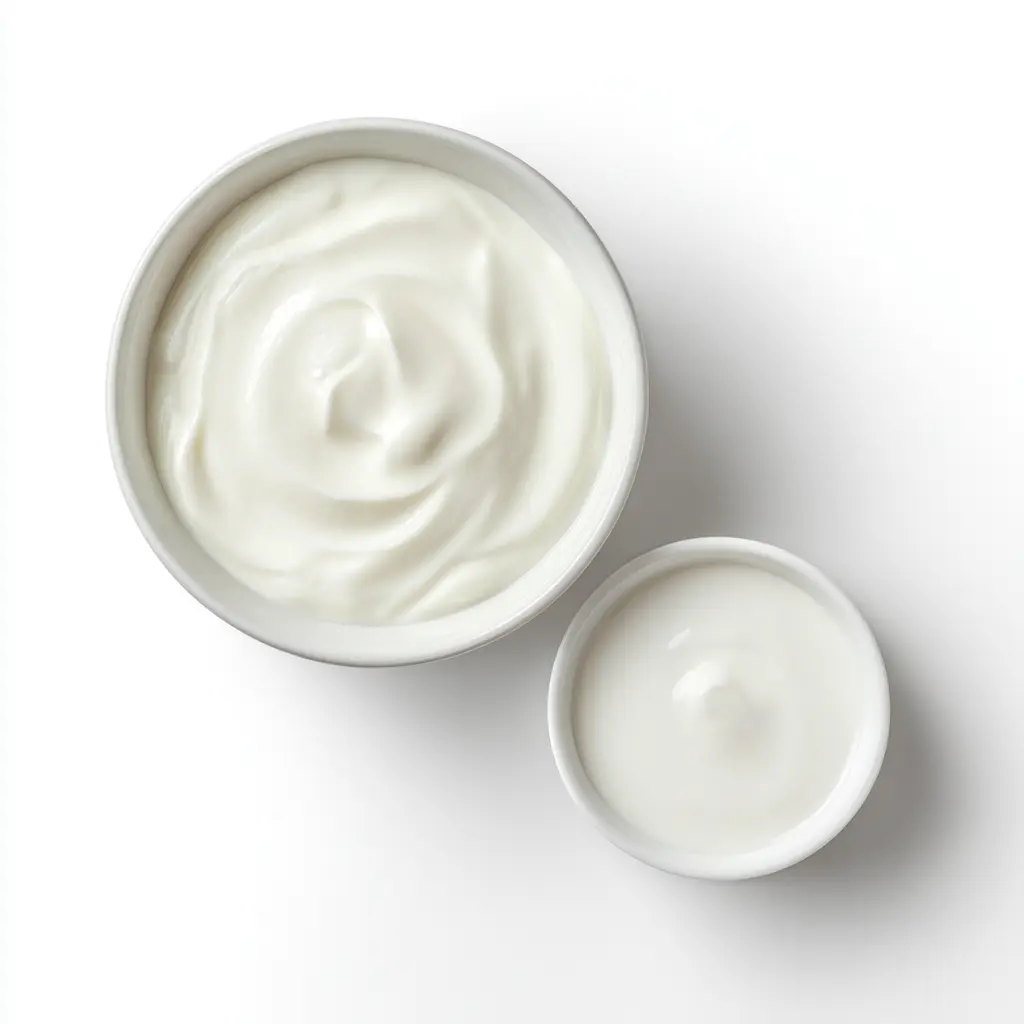
Yogurt + Gelatin Brightening Mask
Ingredients
Equipment
Method
- Place plain yogurt in a microwave-safe bowl.
- Sprinkle gelatin over yogurt and stir to combine.
- Microwave for 10 to 15 seconds until gelatin dissolves. Stir well to create a smooth mixture.
- Let cool for 2 to 3 minutes until warm but comfortable.
- Apply with a brush in a thin, even layer, avoiding eye area and eyebrows.
- Wait 15 to 20 minutes until completely dry.
- Carefully peel off from edges, moving slowly and gently.
- Rinse with cool water and apply moisturizer.
Notes
Best for: Dull or uneven skin tone, gentle brightening
Note: Use plain, unsweetened yogurt without flavors or additives for best results
For more information about choosing the right gelatin type for face masks, visit types of gelatin compared to understand different gelatin options and their properties.
How to Apply a Gelatin Face Mask Correctly
Based on cosmetic application best practices and dermatological safety guidelines, proper technique makes the difference between a satisfying experience and a painful disaster. Therefore, follow these steps carefully every single time.
Step-by-Step Application Technique
First, wash your face thoroughly with a gentle cleanser to remove makeup, sunscreen, and surface oil. Next, pat your skin completely dry with a clean towel. Then, pull your hair back completely away from your face and forehead using a headband or hair tie.
Apply a thin layer of moisturizer or facial oil around your eyebrows, hairline, and any areas you want to protect. This creates a barrier that prevents the mask from adhering too strongly to sensitive areas. Additionally, tie back any loose strands that might get caught in the mask.
Before applying to your face, test the mask temperature on your inner wrist. The mixture should feel warm but not hot at all. Then, use a flat makeup brush or clean fingers to apply a thin, even layer using smooth, directional strokes.
Start at your forehead and work downward in smooth strokes. Moreover, apply thicker layers on areas with more blackheads, like your nose and chin. However, keep the layer thin enough to dry completely within 20 minutes. Finally, avoid your eye area, lips, eyebrows, and hairline entirely.
How Long to Leave It On
Wait 15 to 20 minutes for the mask to dry completely based on proper gelatin setting time. You’ll know it’s ready when the mask feels tight, looks matte, and doesn’t feel tacky when touched lightly. Additionally, the edges should start lifting slightly on their own.
However, don’t leave it on longer than 25 minutes even if it’s not fully dry in some areas. Moreover, if your skin starts burning or itching at any point, remove the mask immediately with warm water. Furthermore, never let a gelatin mask dry overnight or for extended periods, as this increases irritation risk significantly.
How to Remove a Gelatin Face Mask Safely
Based on dermatological recommendations for minimizing skin trauma, removal technique matters just as much as application. In fact, improper removal causes most of the problems people experience with gelatin masks.
The Proper Peeling Technique
Start by loosening the edges of the mask around your jawline and forehead using gentle fingertip pressure. Then, gently lift an edge and slowly peel upward and outward. Moreover, peel in the direction of hair growth to minimize pain and irritation.
Go slowly and steadily rather than ripping the mask off quickly in one motion. Additionally, support your skin with your other hand to prevent pulling and stretching delicate facial tissue. Furthermore, if the mask hurts when peeling, stop immediately and try the alternative removal method below.
Never force the mask off if it’s stuck firmly to any area. Moreover, avoid peeling near sensitive areas or anywhere the mask adhered too strongly. As a result, you’ll prevent broken capillaries, irritation, and unnecessary pain.
What to Do If the Mask Won’t Come Off
If your gelatin mask won’t peel off easily, don’t panic or force it under any circumstances. Instead, wet a soft washcloth with warm water. Then, press the warm cloth against the stuck mask for 30 seconds to soften the gelatin structure.
Repeat this process several times until the mask softens enough to remove gently without pulling. Additionally, you can wash the mask off completely with warm water using gentle circular motions. Moreover, this method is safer than aggressive peeling that damages skin and causes broken capillaries.
After removing the mask completely, rinse your face with cool water to help close pores. Then, apply a gentle alcohol-free toner followed by moisturizer to replenish your skin. Finally, avoid using harsh products, retinoids, or exfoliants for 24 hours after a gelatin mask to prevent over-exfoliation.
Realistic Expectations: What Results Can You Actually Expect?
Based on cosmetic chemistry principles and dermatological research, let me set realistic expectations about what these masks actually do versus viral video claims.
Immediate Effects (Temporary)
Right after removing a gelatin mask, your skin will look brighter and feel smoother due to dead skin cell removal. Additionally, you might notice fewer visible blackheads and cleaner-looking pores. Moreover, your face might feel tighter and look more refined temporarily.
Furthermore, makeup often applies more smoothly on freshly exfoliated skin. However, these effects last only a few hours to one day maximum. As a result, think of gelatin masks as a quick cosmetic fix before events, not a long-term skincare solution.
Nevertheless, the satisfaction of seeing all the gunk stuck to the mask is real and visible. Therefore, many people enjoy gelatin masks for the immediate gratification even knowing results are temporary.
Long-Term Skin Benefits (Minimal)
Regular gelatin mask use won’t permanently change your skin structure, pore size, or collagen levels. Moreover, it won’t prevent new blackheads from forming or reduce oil production long-term. Additionally, any anti-aging benefits are nonexistent since the mask can’t stimulate dermal collagen production.
However, consistent gentle exfoliation through weekly masks may help maintain clearer-looking skin appearance. Nevertheless, you’ll get similar or better results from chemical exfoliants like salicylic acid or glycolic acid with more scientific backing. Therefore, gelatin masks work best as an occasional treatment rather than your primary skincare method.
For understanding other gelatin benefits beyond topical use, explore the complete guide to the gelatin trick covering various applications. Additionally, learn about gelatin for joints to see how oral supplementation differs fundamentally from topical use.
Gelatin Mask vs. Professional Treatments: What Works Better?
Based on dermatological evidence and cosmetic science research, if you’re serious about specific skin concerns, here’s what actually works better than DIY gelatin masks.
For Blackheads: Salicylic Acid and Extractions
Salicylic acid products dissolve the oil and dead skin cells that form blackheads at the cellular level. Moreover, they work continuously to prevent new blackheads from forming through ongoing pore-clearing action. Additionally, professional extractions performed by licensed estheticians remove blackheads more thoroughly and safely than peel-off masks.
Furthermore, retinoids increase cell turnover and prevent pores from clogging through normalized keratinization. Therefore, these proven treatments address blackheads at their source rather than just temporary surface removal. As a result, investing in quality evidence-based skincare products delivers better long-term results than weekly gelatin masks.
For Skin Tightening: What Dermatologists Recommend
For genuine skin tightening based on clinical research, dermatologists recommend treatments like microneedling, radiofrequency, or laser therapy that stimulate actual collagen production. Moreover, prescription retinoids have decades of research proving they stimulate collagen synthesis for lasting improvements. Additionally, professional chemical peels provide deeper exfoliation than any at-home treatment can safely achieve.
Furthermore, daily broad-spectrum sunscreen prevents ongoing collagen breakdown that causes loose skin and wrinkles. Therefore, protecting your skin from UV damage matters more than any topical treatment for maintaining firmness. As a result, focusing on proven preventive measures and professional treatments makes more sense for serious skin concerns than DIY masks.
Frequently Asked Questions
What does putting gelatin on your face do?
Gelatin face masks work as peel-off treatments that remove dead skin cells, blackheads, oil, and surface debris when you pull them off. The mask adheres to your skin as it dries, then lifts away impurities when peeled. However, results are temporary and superficial, lasting only a few hours to a day.
How do you make a gelatin peel-off mask?
Mix 1 tablespoon of unflavored gelatin powder with 2 tablespoons of milk (or water) in a microwave-safe bowl. Microwave for 10-15 seconds until dissolved, let cool slightly until warm but not hot, then apply to your face with a brush. Wait 15-20 minutes until completely dry and peel off gently.
Is gelatin mask good for blackheads
Gelatin masks can remove some surface blackheads and sebaceous filaments when you peel them off. However, they don’t dissolve blackheads or prevent new ones from forming. For persistent blackheads, salicylic acid products or professional extractions work better. Gelatin masks offer temporary cosmetic improvement only.
How often can I use a gelatin face mask?
Use gelatin face masks no more than once or twice per week. Overuse can irritate your skin, strip natural oils, and cause redness or sensitivity. Additionally, the peeling action pulls at skin and fine facial hair, so frequent use may stress your skin. Always moisturize thoroughly after using a peel-off mask.
Can gelatin masks cause skin irritation?
Yes, gelatin masks can cause irritation, especially on sensitive skin. The peeling action pulls fine facial hair (vellus hair), which can hurt and cause redness. Additionally, hot gelatin can burn if applied too warm. Some people react to milk or other ingredients. Always patch test on your inner arm first.
Does gelatin tighten skin permanently?
No, gelatin face masks provide only temporary tightening that lasts a few hours. They don’t stimulate collagen production or create lasting changes. The tight feeling comes from the dried mask film on your skin surface, not actual structural changes. For lasting skin tightening, see a dermatologist about proven treatments.
Can I use gelatin mask on sensitive skin?
Gelatin masks are generally too harsh for sensitive skin. The peeling action can cause redness, irritation, and discomfort. If you have rosacea, eczema, active acne, or very sensitive skin, avoid peel-off masks entirely. Instead, try gentle clay masks or consult a dermatologist for appropriate treatments.
What’s the difference between gelatin and charcoal peel-off masks?
Both remove surface debris, but charcoal masks add activated charcoal for extra oil absorption. Gelatin provides the peel-off adhesion, while charcoal attracts impurities. However, both offer only temporary cosmetic benefits. Store-bought charcoal masks often include additional beneficial ingredients that homemade versions lack.
Can gelatin masks remove facial hair?
Gelatin masks will pull out fine vellus hair (peach fuzz) when you peel them off, which can be painful. However, they’re not effective for intentional hair removal and will irritate skin if used for this purpose. For facial hair removal, waxing, threading, or laser treatments work better and safer.
Should I use milk or water in my gelatin face mask?
Milk works better than water because lactic acid in milk gently exfoliates while proteins add nourishment. However, if you’re lactose intolerant, vegan, or sensitive to dairy, use water, green tea, or aloe vera juice instead. The gelatin provides the peel-off action regardless of liquid used.
Can I add other ingredients to gelatin face masks?
Yes, you can customize gelatin masks with honey (moisturizing), activated charcoal (oil absorption), green tea (antioxidants), or yogurt (gentle exfoliation). However, keep additions minimal (1 teaspoon max) to maintain proper mask consistency. Too many ingredients prevent the mask from drying properly.
How do I remove a gelatin mask that won’t peel off?
If your gelatin mask won’t peel off easily, don’t force it. Instead, wet a washcloth with warm water and gently press it on the mask for 30 seconds to soften the gelatin. Then, slowly peel from edges or wash off with warm water and gentle circular motions.
Are gelatin face masks safe during pregnancy?
Topical gelatin face masks are generally safe during pregnancy since gelatin doesn’t absorb into your bloodstream. However, avoid masks that are too hot (temperature sensitivity increases during pregnancy), and patch test first as skin sensitivity often changes. When in doubt, consult your obstetrician.
Can gelatin masks help with acne?
Gelatin masks can remove surface oil and debris that contribute to acne, but they don’t treat the underlying causes. Additionally, they might irritate active breakouts and inflamed skin. For acne treatment, use products with salicylic acid, benzoyl peroxide, or see a dermatologist. Gelatin masks work better for prevention than treatment.
Is gelatin better than store-bought peel-off masks?
Store-bought peel-off masks often contain beneficial ingredients like vitamins, antioxidants, and skin-soothing agents that DIY gelatin masks lack. However, gelatin masks cost pennies to make versus $10-30 for commercial products. For occasional use, homemade works fine. For regular skincare, invest in quality commercial products.
Final Thoughts
After extensive research into cosmetic chemistry, dermatological safety guidelines, and personal testing of multiple formulas, I can honestly say gelatin face masks are fun, inexpensive DIY treatments that provide real but temporary cosmetic benefits. Moreover, the satisfaction of peeling off the mask and seeing all the debris it removed is genuinely enjoyable and visible.
However, based on scientific evidence, these masks aren’t miracle treatments or replacements for proper evidence-based skincare. Additionally, they come with real risks like burns, irritation, and painful hair removal if you’re not careful with preparation and application. Therefore, approach them as occasional treats rather than essential skincare steps.
If you decide to try gelatin masks after reviewing the safety information, start with the basic milk recipe and always patch test first. Moreover, follow safety precautions carefully to avoid the painful mistakes many people make when starting. Finally, manage your expectations based on cosmetic science and enjoy the temporary glow without expecting permanent transformation.
Your skin deserves evidence-based care that addresses your specific concerns with proven ingredients and methods. Nevertheless, there’s absolutely room for fun DIY treatments like gelatin masks when done safely, with proper research, and with realistic expectations about what they can achieve.