

This easy sourdough pie crust is the perfect solution for anyone craving a flaky, buttery base for their favorite pies. It’s simple to make and utilizes sourdough discard, giving you a subtly tangy flavor that’s hard to resist. Plus, it’s healthy and perfect for meal prep, making it ideal for family gatherings!
Table of Contents
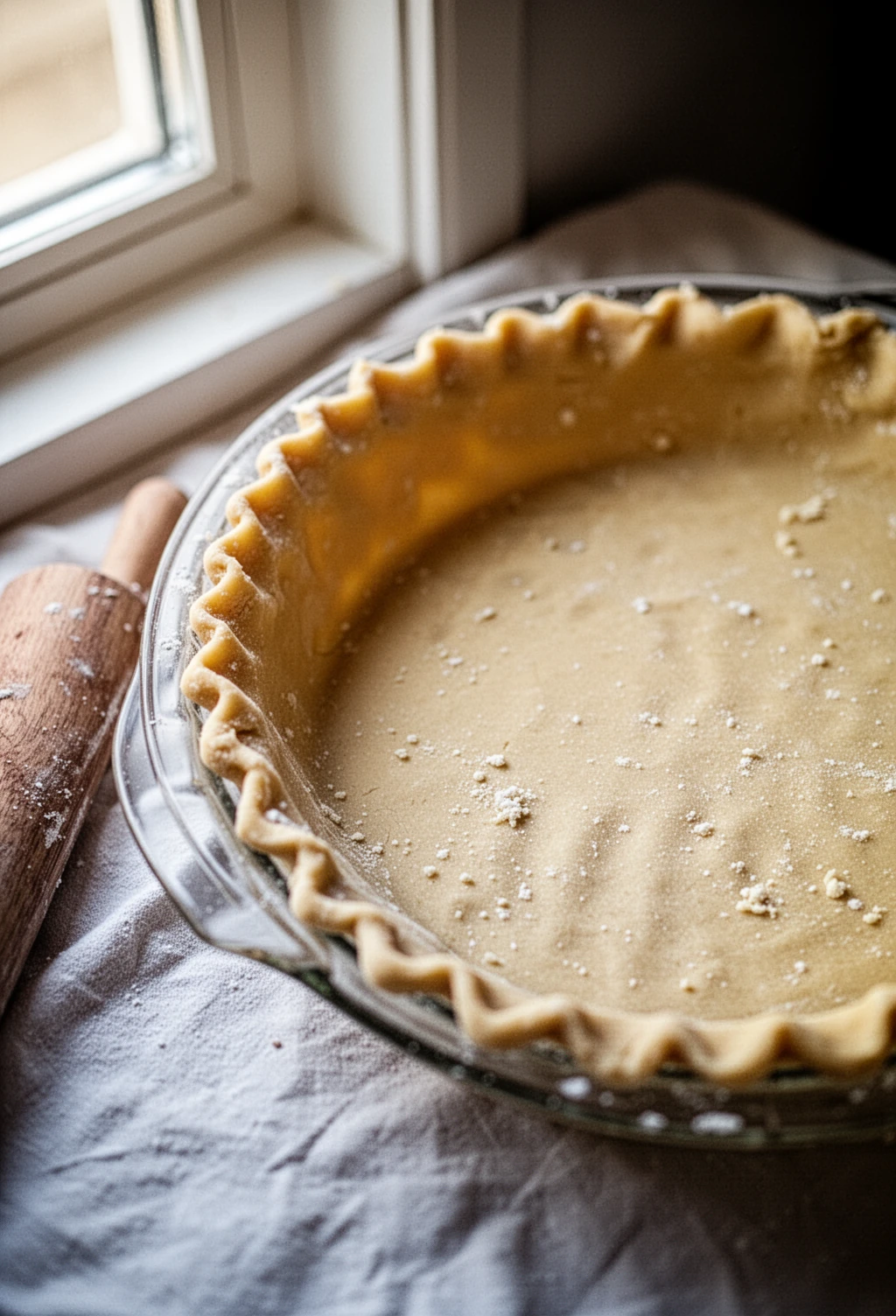
The Ultimate Easy Sourdough Pie Crust
Creating the perfect pie crust doesn’t have to be daunting. This easy sourdough pie crust recipe combines basic ingredients with the unique flavor profile of sourdough. Whether you’re baking a sweet dessert or a savory dish, this crust will elevate your pie to the next level.
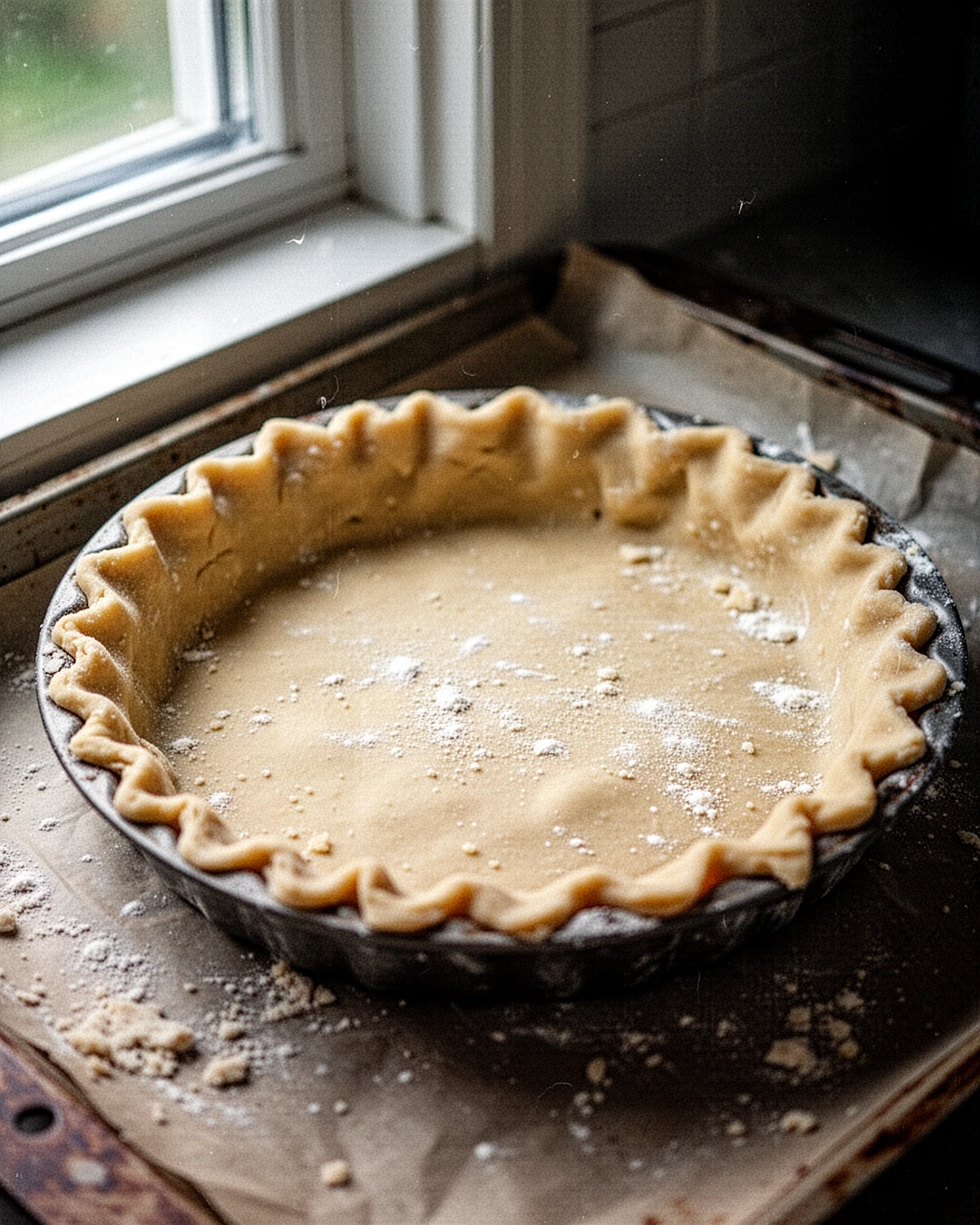
Why Use Sourdough Discard in Pie Crust?
Using sourdough discard in your pie crust not only helps reduce waste but also adds a delightful tangy flavor. The fermentation process enhances the dough’s texture, making it buttery and flaky. You’ll love how this crust complements the filling, whether it be sweet fruits or savory meats.
Single Crust vs. Double Crust Sourdough Pie
This recipe yields a single crust, perfect for any pie recipe. If you’re planning to make a double crust pie, simply double the ingredients! It’s versatile enough for all your pie needs, from a classic 4th Of July Pie to a festive American Flag Pie.
Gathering Your Sourdough Pie Crust Ingredients
Essential Ingredients for Flaky Crust
To start, gather 1 1/2 cups of all-purpose flour, 1/2 teaspoon of salt, 1/2 cup plus 2 tablespoons of cold butter, and 1/2 cup of sourdough discard. These simple ingredients work together to create a delightful crust that is both flaky and flavorful.
Adjusting for Sourdough Hydration Levels
Ensure your sourdough starter is at 100% hydration for best results. If your starter is thicker or thinner, you might need to adjust the flour or water in your recipe. Keeping the right balance will result in the perfect dough texture.
Crafting Your Sourdough Pie Crust Dough
Method 1: Using a Food Processor
For a quick and efficient method, use a food processor. Combine flour and salt, then add cold, cubed butter. Process until the mixture resembles pea-sized pieces.
Method 2: By Hand with a Pastry Blender
If you prefer a more hands-on approach, use a pastry blender. Cut the cold butter into the flour and salt until you achieve the same pea-sized texture.
Achieving the Perfect Dough Consistency
Next, add your sourdough discard and mix until the dough forms a ball. If your dough feels too dry, add a splash of ice water. Conversely, if it’s too sticky, sprinkle in a little more flour.
The Optional Sourdough Fermentation Step
Benefits of Fermenting Your Pie Dough
For added flavor and texture, consider wrapping your dough and letting it ferment at room temperature for 8 hours or overnight. This step is optional, but it breaks down gluten and enhances the crust’s flakiness.
Rolling and Preparing Your Sourdough Crust
Resting the Dough Before Rolling
Before rolling out your dough, allow it to rest at room temperature for about 10 minutes. This makes it easier to handle and shape.
How to Roll Out Pie Dough
Roll your dough to about 1/8″ thickness on a floured surface. This thickness is ideal for that crispy bite while maintaining a tender interior.
Transferring and Fitting the Crust to Your Pie Plate
Carefully transfer your rolled dough to a 9-inch pie plate. Trim any excess dough and pinch together any tears. Now your crust is ready for your favorite filling!
Tips for a Perfectly Buttery and Flaky Sourdough Crust
Keeping Ingredients Cold for Success
Always use cold ingredients. If your butter begins to soften, refrigerate the dough for about an hour. This helps maintain that coveted flaky texture.
Troubleshooting Common Dough Issues
If your dough seems too crumbly, add a bit more water. If it’s overly sticky, sprinkle in more flour. Adjusting these elements can help you achieve the desired consistency.
Storing Your Unbaked Sourdough Pie Crust
Refrigerator Storage for Unbaked Crust
If you have leftover dough, you can store it in the refrigerator for up to 4 days. Just keep it tightly wrapped to prevent drying out.
Freezing Unbaked Pie Crust Dough
For longer storage, freeze your unbaked pie crust for up to 3 months. Wrap it securely in plastic wrap and place it in a freezer bag.
FAQs
What ingredients do I need for easy sourdough pie crust?
You will need 1 1/2 cups all-purpose flour, 1/2 teaspoon salt, 1/2 cup plus 2 tablespoons cold butter, and 1/2 cup sourdough discard.
How do I make easy sourdough pie crust step by step?
Combine flour and salt, cut in butter until crumbly, add sourdough discard, and mix until dough forms. Roll out and fit into a pie plate.
Can I make easy sourdough pie crust ahead of time?
Yes, you can prepare the crust and store it in the refrigerator for up to 4 days or freeze it for up to 3 months.
How should I store leftover easy sourdough pie crust?
Wrap leftover dough tightly and store it in the refrigerator or freezer to keep it fresh.
Related Recipes to try
Conclusion
This easy sourdough pie crust is not only simple to make but also a delicious way to utilize your sourdough discard. Whether you fill it with fruits, custards, or savory mixtures, the subtle sourdough tang will enhance your pie experience. For more inspiration, check out recipes on Pinterest to explore other delightful treats!
Easy Sourdough Pie Crust: Flaky and Buttery Perfection
Equipment
- skillet
Ingredients
- 1 ½ cups all-purpose flour
- 1 /2 teaspoon salt
- 1 /2 cup plus 2 tablespoons butter
- 1 /2 cup sourdough discard
Instructions
- Combine flour and salt. Add cold, cubed butter. Process or cut until butter resembles pea-sized pieces.
- Add sourdough discard. Process or stir until dough forms a ball.
- Adjust consistency: add ice water if dough is too dry, or flour if too sticky.
- Optional: Wrap dough and ferment at room temperature for 8 hours or overnight.
- Let dough rest at room temperature for 10 minutes before rolling.
- Roll dough to 1/8″ thickness on a floured surface.
- Transfer to a 9-inch pie plate. Trim excess dough. Pinch tears together if necessary.
- Add filling and bake according to specific pie recipe directions.
Notes
– Sourdough starter hydration should be 100%. Adjust flour or water if hydration differs.
– Keep ingredients cold. Refrigerate dough for 1 hour if butter softens.
– Fermentation is optional but breaks down gluten.