

My knees started clicking when I climbed stairs around age 35. Then, my fingers felt stiff every morning when I tried to open jars. Eventually, I couldn’t ignore the dull ache in my hips after long walks anymore. Sound familiar?
When a friend told me about using gelatin for joints, I thought it sounded too simple to work. However, after digging into the actual research, I discovered something surprising. Unlike many viral health trends, this one actually has solid scientific evidence backing it up.
In fact, a 2024 meta-analysis of 35 randomized controlled trials found genuine benefits for joint pain and function. Nevertheless, the internet is full of exaggerated claims and confusing information. Therefore, I’m here to share what the science really says about gelatin for joints, including what works, what doesn’t, and how to do it properly.
Table of Contents
What Is the 5-Second Gelatin Trick for Joints?
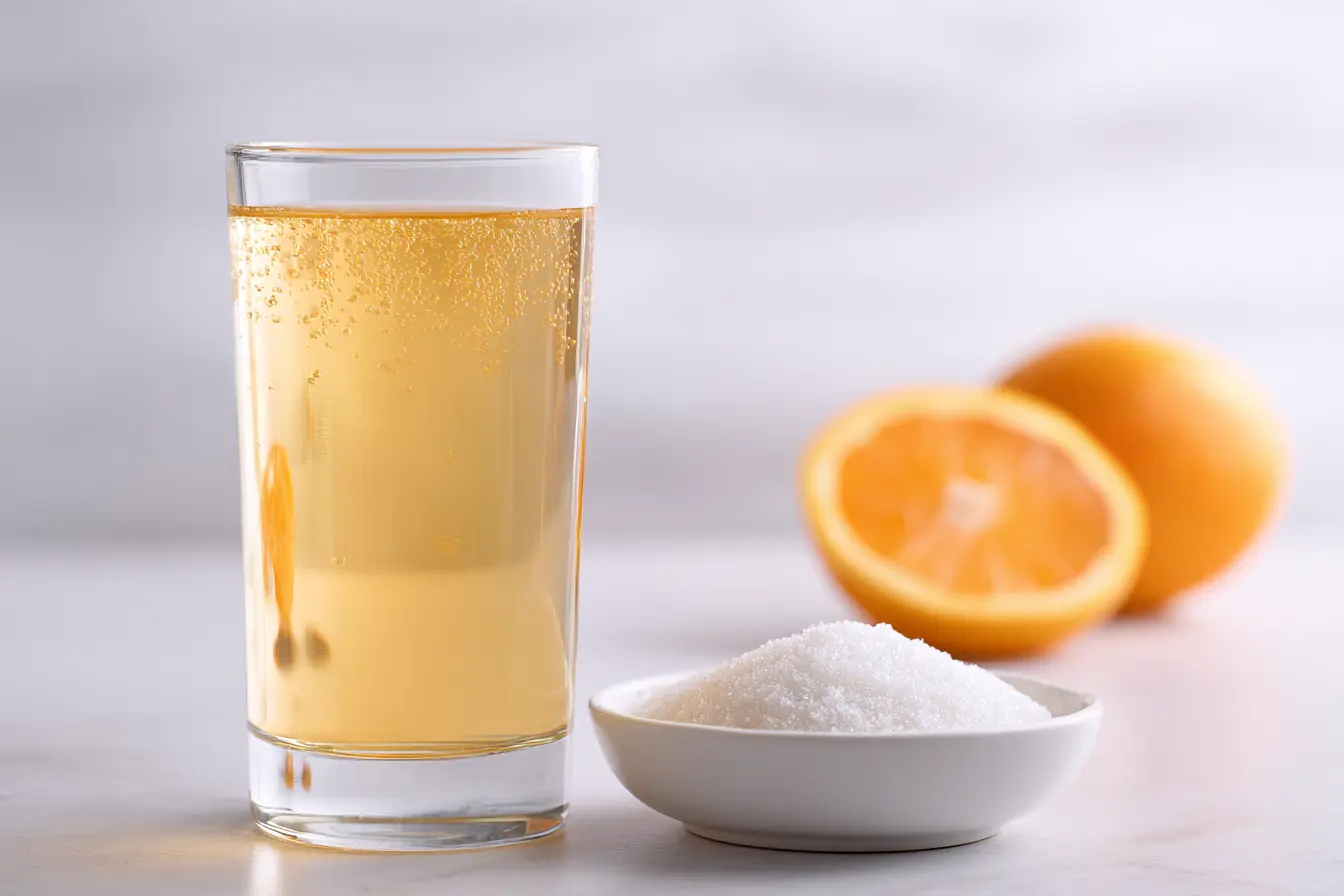
The gelatin trick for joints involves a surprisingly simple daily ritual. First, you dissolve 1 tablespoon of unflavored gelatin powder in a cup of hot water. Next, you stir it quickly for about 5 seconds until it completely dissolves. Then, you drink it immediately, preferably in the morning on an empty stomach.
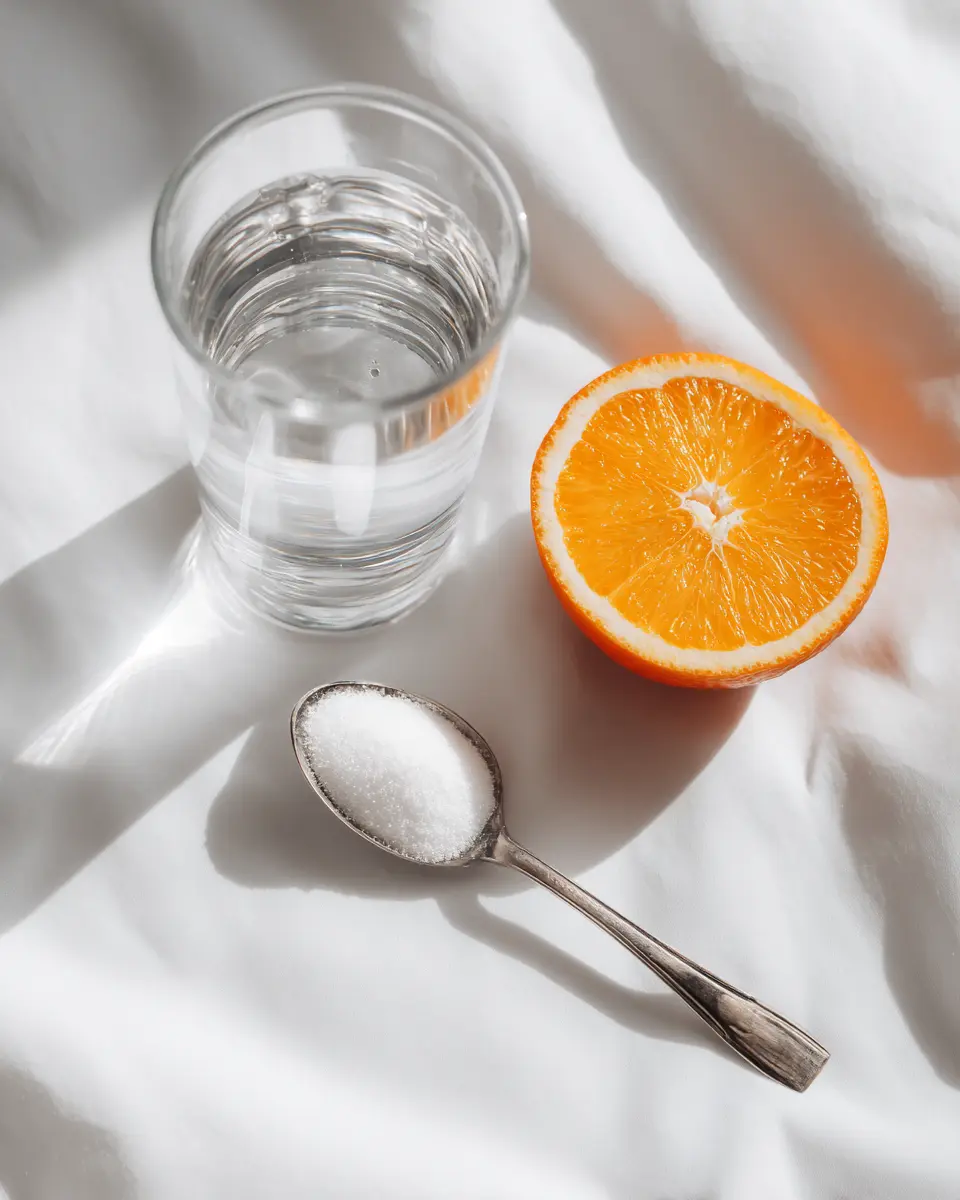
Many people add vitamin C through orange juice or a supplement because it helps your body make collagen. Additionally, some folks prefer to let it cool and form into gelatin cubes they can eat throughout the day. However, drinking it warm right after mixing seems to work best for most people.
The Simple Daily Ritual
You need very little to get started with this approach. Moreover, the ingredients cost less than five dollars at any grocery store. Simply grab unflavored gelatin powder, hot water, and optionally some citrus juice for flavor.
The process takes literally less than one minute each morning. Furthermore, you can prepare it while your coffee brews or breakfast cooks. As a result, it fits easily into even the busiest morning routines without adding stress.
Why People Call It the 5-Second Trick
The name comes from how quickly the gelatin dissolves in hot water. However, this creates misleading expectations about results. In fact, you won’t feel relief in 5 seconds, 5 minutes, or even 5 days.
Clinical studies show that benefits appear after 8 to 12 weeks of consistent daily use. Therefore, the “5-second” part refers only to preparation time, not results timeline. Nevertheless, the catchy name has helped spread awareness about this evidence-based approach.
The Science Behind Gelatin for Joint Health
Gelatin comes from collagen, the most abundant protein in your body. When you boil animal bones, skin, and connective tissues, the collagen breaks down into gelatin. Then, when you consume it, your digestive system breaks it further into amino acids.
According to Mayo Clinic, these amino acids include glycine, proline, and hydroxyproline. Subsequently, your body uses these building blocks to maintain cartilage, tendons, and ligaments. However, the process is more complex than just eating collagen and magically rebuilding joints.
What Research Actually Shows
A 2024 meta-analysis published in Nutrients journal examined 35 randomized controlled trials with 3,165 total participants. Importantly, researchers found small to moderate effects on joint pain reduction. Moreover, they noted HIGH certainty for improved joint function.
These results sound modest because they are. Nevertheless, even small improvements matter when you live with chronic joint pain daily. Additionally, the safety profile is excellent, with minimal side effects reported across all studies.
A Penn State study with 97 athletes found that 10 grams of collagen daily significantly reduced knee pain. Furthermore, the athletes could train harder and recover faster. As a result, researchers concluded that collagen provides protective benefits for active joints under stress.
How Gelatin Supports Cartilage and Connective Tissue
Your joints contain articular cartilage that cushions bones and absorbs shock. Meanwhile, synovial fluid lubricates the joint space. Over time, both deteriorate, especially with arthritis or injury.
Cleveland Clinic registered dietitian Beth Czerwony explains that collagen keeps joints stretchy and flexible. In fact, as collagen production decreases with age, joint problems become more likely. Therefore, supplementing with collagen or gelatin might slow this decline.
However, gelatin doesn’t directly become cartilage in your joints. Instead, it provides raw materials your body can use for repair and maintenance. Additionally, certain collagen peptides may signal cells to produce more collagen naturally.
Types of Collagen for Joints: What Works Best
Not all collagen products work the same way for joint health. In fact, understanding the differences helps you choose the most effective option for your specific needs.
Type II Collagen vs. Hydrolyzed Collagen
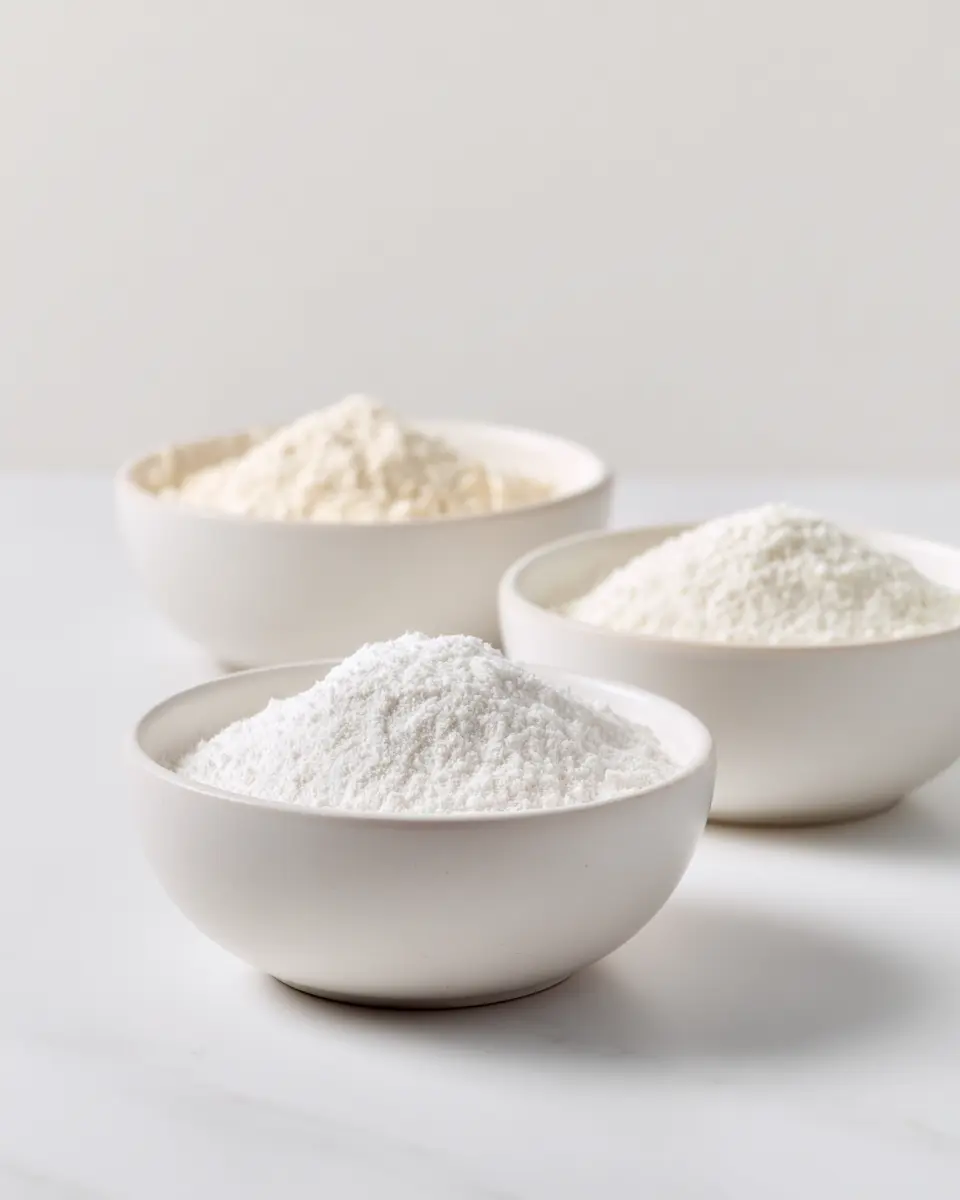
Type II collagen makes up about 90 percent of the collagen in cartilage. Moreover, undenatured type II collagen (UC-II) works through a unique mechanism called oral tolerance. Basically, small amounts train your immune system to stop attacking joint tissues.
The Arthritis Foundation recommends just 40 milligrams daily of UC-II for this immune-modulating effect. Interestingly, this tiny dose works better than larger amounts for reducing inflammation.
Meanwhile, hydrolyzed collagen (also called collagen peptides) is pre-broken down into smaller pieces. As a result, it absorbs more easily and reaches joint tissues through your bloodstream. Additionally, studies use much higher doses of 2.5 to 15 grams daily for structural support.
Regular Gelatin vs. Collagen Peptides
Regular unflavored gelatin gels when cooled, while collagen peptides stay dissolved in cold liquids. However, this isn’t just about convenience. In fact, the molecular size affects how well your body absorbs and uses the protein.
Collagen peptides have smaller molecular weights, so they pass through your digestive system more efficiently. Therefore, they deliver amino acids to joints more effectively than regular gelatin. Nevertheless, both provide the same basic building blocks.
For detailed comparisons, check out types of gelatin compared to understand which form suits your goals best. Additionally, cost differences might influence your choice, as regular gelatin costs significantly less than premium collagen peptides.
Clinical Evidence: What the Studies Really Found
Let me share the actual research numbers instead of vague claims about “studies show” like most articles do. Honestly, this is where gelatin for joints stands out from other trendy supplements.

The 2024 Meta-Analysis Results
The comprehensive review analyzed data from 3,165 participants across 35 separate studies. Furthermore, researchers used rigorous methodology to assess quality and reduce bias. As a result, their conclusions carry significant weight in the medical community.
For pain reduction, collagen supplementation showed small to moderate effects compared to placebo. However, for joint function improvement, the evidence reached HIGH certainty levels. Therefore, you’re more likely to move better than to become completely pain-free.
Interestingly, the analysis found that dosage, type, and brand mattered less than consistency. In fact, people who took collagen daily for at least 12 weeks saw better results regardless of specific product. Therefore, commitment matters more than buying expensive premium brands.
Penn State Athlete Study Findings
This study specifically examined active people with knee pain during exercise. Moreover, participants took 10 grams of hydrolyzed collagen daily for 24 weeks. Then, researchers measured pain levels, joint function, and athletic performance.
Results showed significant knee pain reduction in the collagen group compared to placebo. Additionally, athletes reported less pain during walking, running, and jumping activities. Furthermore, they could train at higher intensities without increased discomfort.
Clinical trials documented by WebMD support these findings across multiple sports and activity levels. However, the benefits appeared gradually over months, not weeks. Therefore, patience and consistency remain essential for success.
How Much Gelatin Should You Take for Joint Pain?
Dosing matters because too little won’t help, while too much wastes money and might cause digestive upset. Fortunately, research provides clear guidance based on which type you choose.
Recommended Dosing from Clinical Trials
For undenatured type II collagen (UC-II), take just 40 milligrams daily. Surprisingly, this tiny amount works through immune modulation rather than providing structural building blocks. Moreover, higher doses don’t improve results and might reduce effectiveness.
Meanwhile, for hydrolyzed collagen peptides or regular gelatin, take 2.5 to 15 grams daily. Most studies use 10 grams as the standard dose, which equals about 1 heaping tablespoon of powder. Additionally, splitting this into two doses (morning and evening) might improve absorption.
However, start with 5 grams daily for the first week to assess tolerance. Then, gradually increase to your target dose over 2 to 3 weeks. As a result, you’ll minimize digestive side effects like bloating or fullness.
When and How to Take It
Most experts recommend taking gelatin for joints on an empty stomach for better absorption. Therefore, first thing in the morning works well for most people. Alternatively, take it 2 hours after eating and 1 hour before your next meal.
Adding vitamin C enhances collagen formation in your body. In fact, studies often include 50 to 100 milligrams of vitamin C alongside collagen supplements. Therefore, mix your gelatin with orange juice or take a vitamin C tablet simultaneously.
For those interested in the basic preparation method, visit this simple 3-ingredient gelatin recipe that works perfectly for joint health. Additionally, consistency matters more than timing, so choose a schedule you’ll stick with long-term.
Best Gelatin Recipes for Joint Health
Plain gelatin water tastes pretty boring, so these recipes make your daily dose more enjoyable. Moreover, each variation adds complementary nutrients that support joint health naturally.

Basic Morning Gelatin Ritual
Boil 8 ounces of water and pour into your favorite mug. Next, sprinkle 1 tablespoon of unflavored gelatin over the water while stirring constantly. Then, squeeze half a lemon into the mixture for vitamin C and flavor.
Drink it immediately while still warm for best results. Additionally, you can add a tiny drizzle of honey if you need sweetness. However, keep added sugars minimal since inflammation can worsen joint pain.
Bone Broth Gelatin Drink
Homemade bone broth naturally contains gelatin from cooking bones for 12 to 24 hours. Furthermore, it provides minerals like calcium, magnesium, and phosphorus that support bone health. As a result, you get multiple joint-supporting nutrients in one drink.
Heat 8 ounces of bone broth until steaming. Then, add 1 additional tablespoon of gelatin powder for extra collagen. Next, season with sea salt, black pepper, and herbs like thyme or rosemary. Finally, sip it slowly like a warm, comforting soup.
Orange Juice Collagen Booster
Fresh orange juice provides vitamin C essential for collagen synthesis. Moreover, the natural sweetness makes gelatin more palatable for people who dislike plain versions. However, use fresh juice rather than concentrate for maximum nutrients.
Warm 6 ounces of orange juice in a small pot (don’t boil). Next, remove from heat and whisk in 1 tablespoon of gelatin until dissolved. Then, add 2 ounces of cold water to cool it down. Finally, drink within 10 minutes before it starts to gel.
Pineapple Anti-Inflammatory Cubes
Pineapple contains bromelain, an enzyme with anti-inflammatory properties that complements gelatin’s benefits. Additionally, the tropical flavor makes these cubes taste like a treat rather than medicine. However, you must use fresh pineapple, not canned, because processing destroys bromelain.
Blend 1 cup of fresh pineapple chunks with 6 ounces of hot water. Next, strain out pulp if desired. Then, whisk in 2 tablespoons of gelatin until completely dissolved. Finally, pour into ice cube trays and refrigerate for 3 hours. Eat 2 to 3 cubes before breakfast daily.
Turmeric Golden Gelatin
Turmeric’s active compound curcumin reduces inflammation throughout the body, including joints. Moreover, black pepper enhances curcumin absorption by up to 2000 percent. Therefore, this combination provides powerful anti-inflammatory effects alongside collagen support.
Heat 8 ounces of unsweetened almond milk with 1 teaspoon of turmeric powder and a pinch of black pepper. Next, add 1 tablespoon of gelatin while whisking vigorously. Then, sweeten with a touch of maple syrup if needed. Finally, drink warm immediately for a golden milk inspired joint tonic.
For more protein-rich options, explore these bariatric gelatin recipes that boost collagen content even higher.
Does Gelatin Actually Rebuild Cartilage?
This question deserves a direct, honest answer because many websites make misleading claims. Unfortunately, the truth is less exciting than marketing hype suggests.
The Truth About Cartilage Repair
No, gelatin cannot rebuild damaged cartilage or reverse arthritis. Cleveland Clinic notes that once cartilage is significantly damaged, the body struggles to regenerate it. In fact, severe osteoarthritis often requires joint replacement surgery because cartilage doesn’t grow back.
However, gelatin may slow cartilage breakdown and reduce inflammation. Additionally, it might protect remaining healthy cartilage from further damage. Therefore, think of it as preventive maintenance rather than repair work.
Research shows that collagen supplementation works best for people with mild to moderate joint issues. Meanwhile, those with severe arthritis or bone-on-bone conditions need medical interventions beyond supplements. Nevertheless, gelatin can still reduce pain even when it can’t reverse damage.
What Gelatin Can and Cannot Do
Gelatin provides amino acids your body uses to maintain existing cartilage and connective tissues. Moreover, certain collagen peptides may stimulate your cells to produce more collagen naturally. As a result, you might experience less pain, better mobility, and improved quality of life.
However, gelatin won’t cure arthritis, fix torn ligaments, or eliminate the need for joint surgery. Additionally, it works slowly over months, not dramatically overnight. Therefore, manage your expectations and use it as part of a comprehensive joint health strategy.
For comparison with other gelatin benefits, read about gelatin for skin tightening to understand how collagen works throughout your body.
Who Should Try Gelatin for Joint Pain?
Certain people benefit more from gelatin supplementation than others. Moreover, knowing whether you’re a good candidate helps set realistic expectations from the start.
Best Candidates for This Approach
Athletes and active people with mild joint discomfort respond well to gelatin for joints. In fact, the Penn State study specifically showed benefits for people who exercise regularly. Additionally, anyone in their 40s or older experiencing early signs of joint wear might prevent further deterioration.
People with osteoarthritis in its early to moderate stages often report noticeable improvements. Furthermore, those willing to commit to daily supplementation for at least 12 weeks see the best results. However, if you expect instant relief, you’ll likely feel disappointed.
Individuals seeking natural alternatives to NSAIDs (like ibuprofen) might find gelatin helpful. Moreover, it has fewer side effects than long-term pain medication use. Nevertheless, always consult your doctor before stopping any prescribed medications.
When to See a Doctor Instead
Severe joint pain that limits daily activities requires professional medical evaluation. Additionally, sudden joint swelling, redness, or warmth might indicate infection or serious injury. Therefore, don’t rely on gelatin when you need urgent medical care.
People with autoimmune forms of arthritis (rheumatoid arthritis, lupus, psoriatic arthritis) need rheumatologist care. In fact, these conditions require disease-modifying medications that gelatin cannot replace. However, gelatin might complement medical treatment after discussing with your doctor.
Anyone taking blood thinners should consult their physician before starting gelatin supplements. Moreover, people with kidney disease need to monitor protein intake carefully. Furthermore, if you don’t see any improvement after 16 weeks of consistent use, talk to your doctor about other options.
Realistic Timeline: When Will You Notice Results?
Let me be completely honest about timing because unrealistic expectations lead to disappointment and quitting too early.
What to Expect Week by Week
Weeks 1 to 4: Most people notice nothing during the first month. However, some individuals report slightly less morning stiffness. Nevertheless, don’t get discouraged if you feel exactly the same.
Weeks 5 to 8: Subtle improvements might appear, like easier stair climbing or less pain after exercise. Additionally, joint stiffness might decrease gradually. However, changes remain modest and easy to miss.
Weeks 9 to 12: This is when most studies show measurable benefits. In fact, pain scores typically drop and function tests improve during this period. Moreover, you might notice you’re taking fewer pain relievers or moving more freely.
After 12 weeks: Benefits plateau or continue improving slowly. Furthermore, stopping supplementation often leads to gradual return of symptoms over several weeks. Therefore, long-term use appears necessary to maintain benefits.
Why Consistency Matters More Than Dosage
Taking gelatin every single day matters more than the exact amount you take. In fact, sporadic use produces minimal results even at high doses. Moreover, your body needs a steady supply of amino acids for ongoing cartilage maintenance.
Missing occasional days won’t ruin your progress. However, taking it only when you remember or when pain flares up won’t work. Therefore, build it into your daily routine like brushing your teeth.
Consider combining gelatin with other joint-friendly habits like regular low-impact exercise, maintaining healthy weight, and eating anti-inflammatory foods. Additionally, adequate sleep and stress management support overall joint health. As a result, you’ll maximize benefits from a comprehensive approach.
To understand the broader context of gelatin trends, read the complete guide to the gelatin trick covering various uses beyond just joints. Furthermore, be aware of celebrity weight loss myths that sometimes falsely connect to gelatin claims.
Frequently Asked Questions
What is the gelatin trick for arthritis?
The gelatin trick for arthritis involves dissolving 1 tablespoon of unflavored gelatin in hot water and drinking it daily, preferably in the morning on an empty stomach. This provides collagen-derived amino acids that may support cartilage health. According to a 2024 meta-analysis of 35 randomized controlled trials, collagen supplementation showed small to moderate effects on joint pain and function.
Does Knox gelatin really help joint pain?
Knox gelatin contains collagen protein that breaks down into amino acids your body uses for joint repair. However, hydrolyzed collagen peptides absorb better than regular gelatin. Research shows mixed results, with some studies finding modest pain reduction while others show minimal effects. The Arthritis Foundation notes that undenatured type II collagen (UC-II) at 40mg daily shows more consistent results than regular gelatin.
How long does gelatin take to help joints?
Most clinical studies show that if gelatin or collagen helps your joints, you’ll notice changes within 8 to 12 weeks of daily use. However, some people report feeling less stiffness within 4 to 6 weeks. Consistency matters more than dosage, so taking it daily without breaks produces better results than sporadic use.
Is collagen or gelatin better for joints?
Hydrolyzed collagen peptides work better for joints than regular gelatin because they’re pre-broken down and absorb more easily. Meanwhile, undenatured type II collagen (UC-II) works through a different mechanism called oral tolerance that reduces inflammation. For joint health specifically, collagen peptides or UC-II supplements outperform regular cooking gelatin.
Can gelatin rebuild cartilage?
No, gelatin cannot rebuild damaged cartilage or reverse arthritis. However, it may slow cartilage breakdown and reduce inflammation according to some research. A Penn State study with 97 athletes found that 10 grams of collagen daily improved knee pain, suggesting protective effects rather than regeneration. Think of it as maintenance, not repair.
How much gelatin should I take for joint pain?
Most studies use 2.5 to 15 grams of hydrolyzed collagen daily for joint benefits. For regular unflavored gelatin, this equals about 1 to 2 tablespoons per day. The Arthritis Foundation recommends starting with 10 grams daily and adjusting based on results. Always take it consistently for at least 8 weeks before deciding if it works.
What is the 5-second gelatin trick for joints?
The 5-second trick refers to quickly dissolving 1 tablespoon of gelatin powder in hot water, stirring for about 5 seconds until it dissolves, then drinking it immediately. Some versions suggest taking it with vitamin C (from orange juice or a supplement) to enhance collagen formation. However, the name is marketing hype, as results take weeks, not seconds.
Does gelatin work for knee pain specifically?
Research shows gelatin and collagen may help knee osteoarthritis pain. The Penn State athlete study found significant knee pain reduction with 10 grams daily. However, results vary widely by individual. People with mild to moderate knee arthritis report better outcomes than those with severe joint damage.
Can I use regular Jell-O for joint health?
Regular flavored Jell-O contains gelatin but also includes sugar, artificial colors, and flavors that may increase inflammation. Sugar-free versions are better but still contain additives. Plain unflavored gelatin or collagen peptide supplements provide more protein without unnecessary ingredients that could counteract benefits.
Should I take gelatin with food or on an empty stomach?
Most experts recommend taking gelatin or collagen on an empty stomach for better absorption. However, if it upsets your stomach, taking it with a small amount of food is fine. The most important factor is consistency, so choose a timing that you’ll stick with daily.
Does gelatin help with hip pain and arthritis?
The same research supporting gelatin for knee arthritis applies to hip joints. A 2024 meta-analysis found collagen improved function across multiple joints, including hips. However, severe hip arthritis often requires medical treatment beyond supplements. Use gelatin as a complementary approach, not a replacement for proper medical care.
Can gelatin cause side effects for joint pain treatment?
Gelatin is generally safe with minimal side effects. Some people experience mild digestive upset, bloating, or a feeling of fullness. Rarely, people allergic to the source animal (beef, pork, chicken, fish) may react. Start with small amounts to test tolerance before taking full doses daily.
Final Thoughts
After reviewing all the research, I’m genuinely impressed by the evidence supporting gelatin for joints. Unlike many viral health trends, this one actually has solid science behind it with over 3,000 participants studied across multiple clinical trials.
However, gelatin isn’t a miracle cure or replacement for proper medical care. Instead, think of it as one useful tool in your joint health toolbox alongside exercise, healthy weight, good nutrition, and appropriate medical treatment when needed.
If you decide to try it, commit to at least 12 weeks of daily use before judging results. Moreover, choose high-quality hydrolyzed collagen peptides or UC-II for better absorption than regular gelatin. Finally, talk to your doctor first, especially if you have existing health conditions or take medications.
Your joints carry you through life, so they deserve care and attention. Whether gelatin helps your specific situation or not, taking steps to protect your joint health now can prevent bigger problems down the road.