

I caught myself staring at my reflection last week, pulling the skin around my eyes tighter to see how I’d look without the fine lines. You know that moment when you realize your face doesn’t bounce back quite like it used to?
Then I scrolled through Instagram and saw everyone talking about gelatin for skin tightening. People claimed they looked years younger just from drinking collagen water daily. However, I’ve been burned by too many miracle anti-aging products to believe every trend I see online.
So I dove deep into the actual research, talked to dermatologists, and tested it myself. Here’s what I discovered about whether gelatin actually tightens skin or if it’s just another expensive placebo. Moreover, I’ll share what science says works better than supplements when you’re serious about improving your skin.
Table of Contents
What Is Gelatin for Skin Tightening?
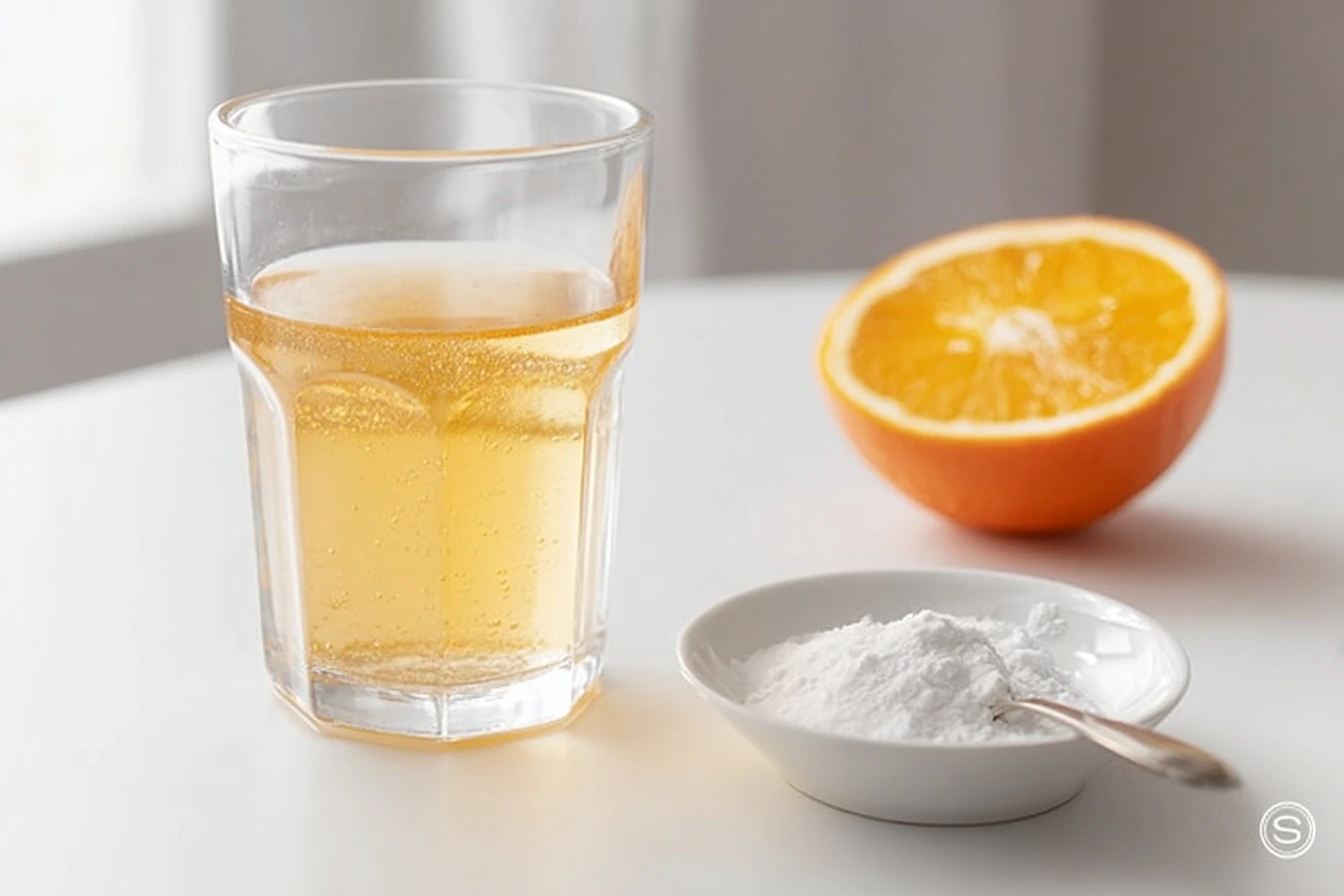
Gelatin for skin tightening refers to consuming collagen-derived supplements to improve skin elasticity, reduce wrinkles, and firm loose skin. In fact, the theory is that eating gelatin provides amino acids your body uses to rebuild collagen in your skin. However, the reality is more complicated than Instagram influencers suggest.
The Connection Between Collagen and Skin
Collagen makes up about 30 percent of your body’s total protein. Moreover, it provides the structure that keeps your skin firm, plump, and elastic. Harvard’s School of Public Health explains that as you age, your collagen network changes from tightly organized fibers to an unorganized maze.
This breakdown starts in your mid-20s and accelerates over time. Additionally, sun exposure, smoking, and pollution damage collagen fibers faster than aging alone. As a result, your skin loses thickness, develops wrinkles, and starts to sag.
Therefore, replacing lost collagen through supplements sounds logical. Nevertheless, the science is more nuanced than simply eating collagen and magically rebuilding youthful skin.
Why People Are Trying Gelatin for Anti-Aging
Gelatin costs significantly less than expensive creams, serums, and professional treatments. Furthermore, it’s convenient to mix into coffee or smoothies daily. Additionally, some studies show genuine benefits, unlike many beauty supplements with zero research backing them.
Moreover, people report visible improvements after several weeks of consistent use. However, determining what’s real improvement versus placebo effect or good lighting remains challenging. Therefore, examining the actual scientific evidence helps separate facts from wishful thinking.
For those interested in other gelatin benefits, check out the complete guide to the gelatin trick covering various health applications.
The Science Behind Gelatin for Skin: What Research Shows
Unlike many beauty trends, gelatin for skin tightening actually has decent scientific support. However, the results are modest, not miraculous like social media suggests.
The 2023 Meta-Analysis Results
A comprehensive 2023 meta-analysis examined 26 randomized controlled trials with 1,721 total participants. Importantly, researchers found that hydrolyzed collagen significantly improved skin hydration with extremely high statistical certainty (p less than 0.00001). Moreover, skin elasticity also improved significantly (p less than 0.00001).
These p-values indicate very strong evidence that the results weren’t just random chance. Nevertheless, the actual improvements were modest in size. In fact, most studies showed around 7 percent reduction in wrinkle depth over 8 to 12 weeks.
Additionally, Harvard Health Publishing reviewed a 2021 meta-analysis of 19 studies with 1,125 participants. The review found improvements in skin firmness, suppleness, and moisture content. However, Harvard noted that most supplements contained other beneficial ingredients besides collagen.
Therefore, determining whether collagen alone deserves credit or if vitamin C, hyaluronic acid, and other additions helped remains unclear.
How Gelatin May Support Skin Health
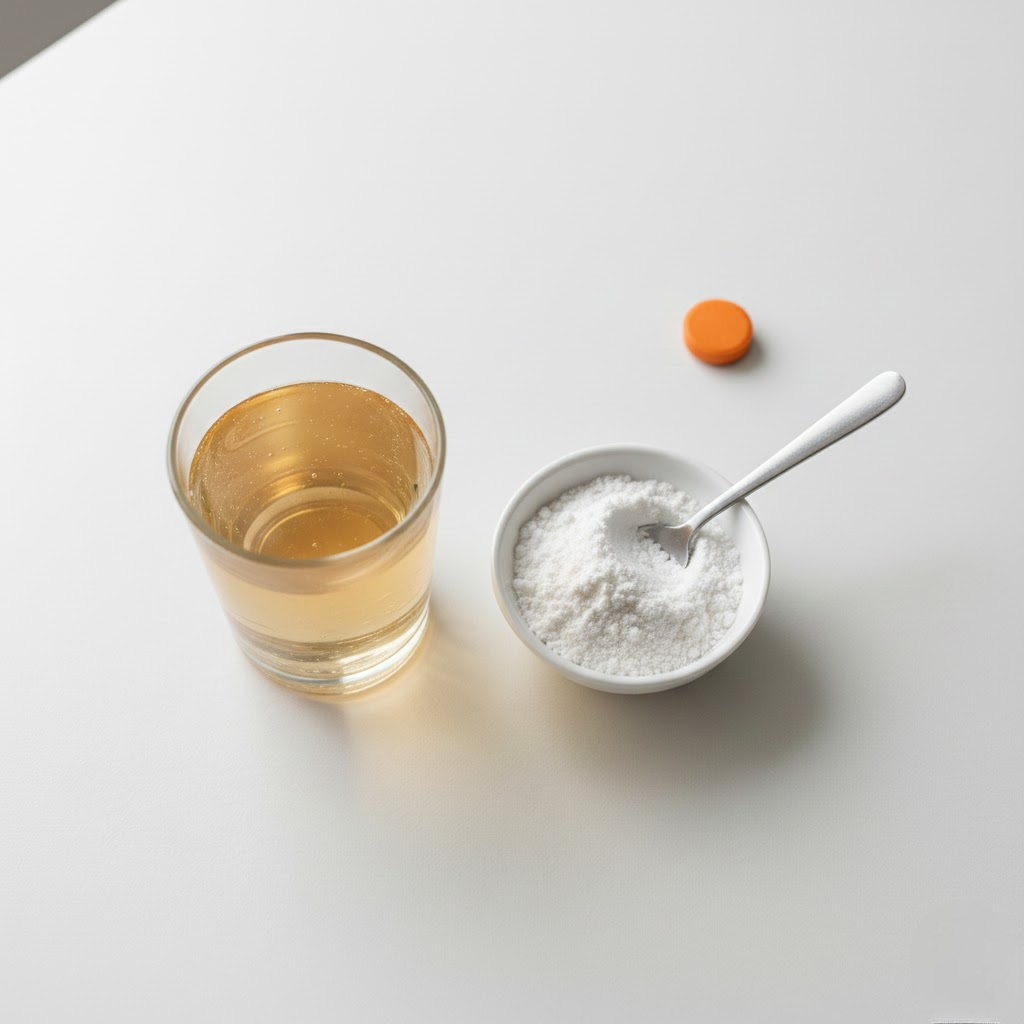
When you consume gelatin, your digestive system breaks it down into amino acids like glycine, proline, and hydroxyproline. Then, your body uses these building blocks to create new proteins wherever needed. However, your body decides where to send these amino acids, not you.
Cleveland Clinic notes that collagen makes up 30 percent of your body’s protein content. Furthermore, it provides structure for skin, bones, tendons, and blood vessels. As a result, supplementing with gelatin may support overall collagen production.
Nevertheless, some amino acids might rebuild cartilage in your knees instead of firming your face. Additionally, your body might use them for completely different proteins unrelated to skin. Therefore, taking gelatin doesn’t guarantee all benefits go to your skin.
Oral vs. Topical: Does Eating or Applying Gelatin Work Better?
This question matters because many people try both gelatin face masks and oral supplements. However, they work through completely different mechanisms with very different results.
Why Oral Gelatin May Be More Effective
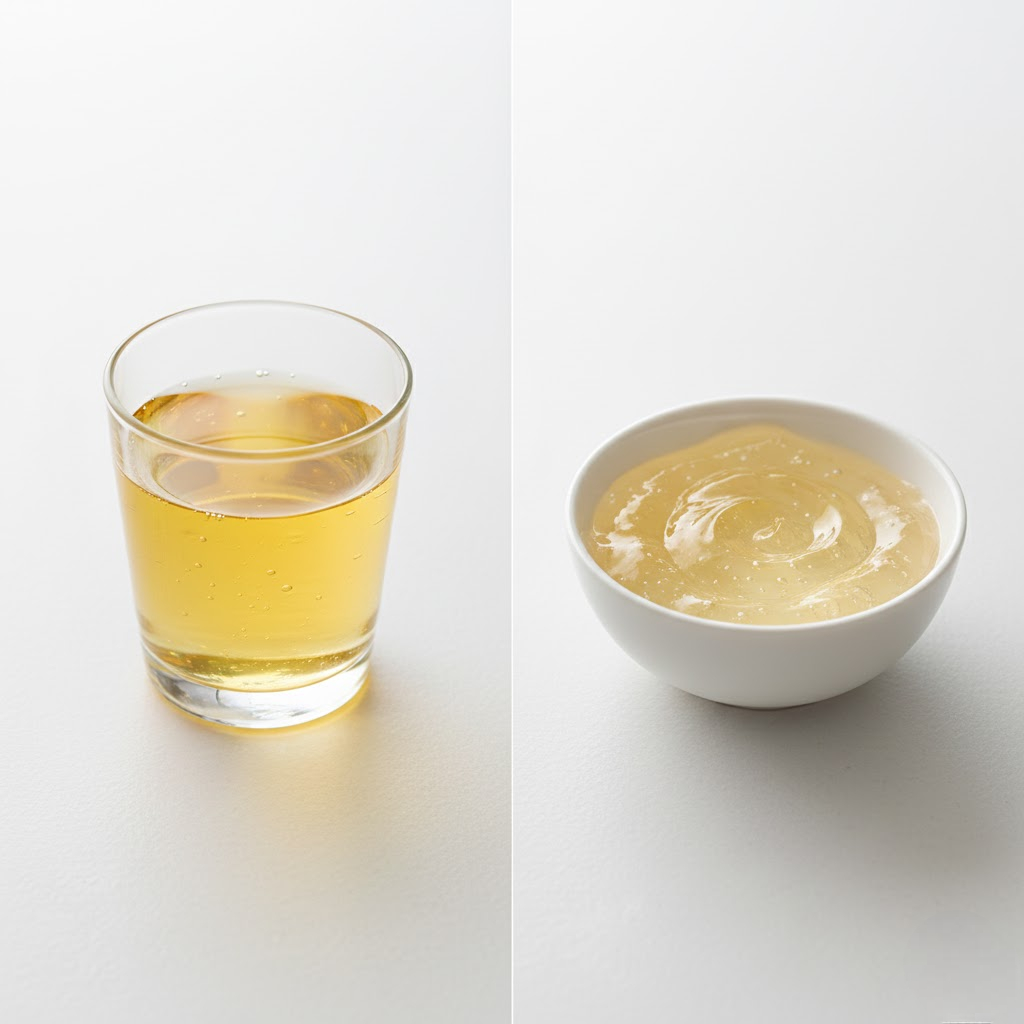
Cleveland Clinic dermatologist Dr. Shilpi Khetarpal warns that most collagen gets absorbed by your GI tract. However, some does reach your bloodstream and potentially your skin. Meanwhile, topical collagen molecules are too large to penetrate through your skin’s outer layer.
Therefore, eating gelatin makes more sense than applying it topically for long-term collagen support. Moreover, studies showing skin benefits all used oral supplementation, not face creams. As a result, drinking gelatin water has better evidence than expensive collagen creams.
Nevertheless, oral supplements take months to show subtle improvements. Additionally, you must continue taking them indefinitely to maintain any benefits. Furthermore, results vary dramatically between individuals based on genetics and lifestyle factors.
The Truth About Gelatin Face Masks
Gelatin face masks work as peel-off treatments that remove dead skin, blackheads, and surface debris. In fact, they provide immediate tightening effects that last a few hours. However, this tightening is purely superficial and temporary.
Moreover, face masks cannot penetrate deeply enough to stimulate collagen production or provide lasting anti-aging benefits. Nevertheless, they offer a satisfying peel-off experience and cleaner-looking skin temporarily. Therefore, they’re fine for occasional deep cleaning but won’t replace proven anti-aging treatments.
For detailed gelatin face mask recipes and safety tips, visit DIY gelatin face masks for step-by-step instructions.
How Much Gelatin Should You Take for Skin Benefits?
Dosing matters because too little won’t help, while too much wastes money without additional benefits. Fortunately, research provides clear guidance based on successful studies.
Recommended Dosing from Clinical Studies
Studies showing skin improvements typically use 2.5 to 10 grams of hydrolyzed collagen daily. Most commonly, researchers use 5 to 10 grams as the standard dose. For regular unflavored gelatin powder, this equals about 1 to 2 tablespoons daily.
However, start with 5 grams daily for the first two weeks to assess tolerance. Then, increase to 10 grams if you don’t experience digestive upset. Additionally, divide the dose between morning and evening for potentially better absorption.
Furthermore, take it consistently for at least 8 to 12 weeks before evaluating results. In fact, most studies run for 12 weeks minimum because earlier assessment shows little change. Therefore, patience and consistency matter more than finding the perfect dose.
Best Time to Take Gelatin for Absorption
Most experts recommend taking gelatin on an empty stomach for better absorption. Therefore, first thing in the morning or between meals works well. However, if it upsets your stomach, taking it with food is fine.
Additionally, combine gelatin with 50 to 100 milligrams of vitamin C to enhance collagen synthesis. Moreover, vitamin C is essential for your body to actually make new collagen from amino acids. As a result, taking gelatin without adequate vitamin C limits potential benefits.
Furthermore, avoid taking it right before bed if it causes digestive discomfort. Nevertheless, some people prefer evening doses to support overnight skin repair. Therefore, experiment to find timing that you’ll stick with long-term.
For basic preparation methods, see this simple 3-ingredient gelatin recipe that works for skin benefits.
Realistic Results: What Can You Actually Expect?
Let me be completely honest about what gelatin for skin tightening can and cannot do. Managing expectations prevents disappointment and helps you decide if it’s worth trying.
Timeline for Noticing Skin Changes
Most people notice increased skin hydration within 4 to 6 weeks of daily supplementation. However, this might feel subtle, like your skin needs less moisturizer. Meanwhile, improvements in elasticity and wrinkle depth take 8 to 12 weeks to become measurable.
Moreover, even after three months, changes remain modest rather than dramatic. In fact, you might see a 5 to 10 percent improvement in skin firmness. Additionally, fine lines might soften slightly, but deep wrinkles won’t disappear.
Furthermore, other people might not notice your improvements without side-by-side before and after photos. Nevertheless, you might feel your skin looks brighter and more plump. Therefore, subtle enhancement rather than transformation represents realistic expectations.
Why Results Stop When You Stop Taking It
Your body continuously breaks down collagen as part of normal metabolism. Additionally, aging, sun exposure, and lifestyle factors keep damaging collagen faster than your body rebuilds it. Therefore, stopping gelatin supplementation means losing any gains within weeks to months.
Moreover, this isn’t a cure or permanent fix for aging skin. Instead, think of it as ongoing maintenance that requires continuous effort. As a result, gelatin becomes a long-term commitment, not a short-term solution.
Furthermore, the financial cost adds up over years of daily supplementation. Therefore, consider whether sustained modest improvements justify ongoing expense and effort. Additionally, investing in proven alternatives might provide better value long-term.
Industry-Funded Studies: What Dermatologists Want You to Know
This section is critical because it addresses concerns that many beauty articles ignore. However, understanding research limitations helps you make informed decisions.
Cleveland Clinic’s Concerns About Research Quality
Cleveland Clinic dermatologist Dr. Shilpi Khetarpal warns that many collagen studies are manufacturer-funded. Moreover, supplement companies often sponsor research on their own products. As a result, bias toward positive results becomes a significant concern.
Additionally, the FDA doesn’t regulate dietary supplements with the same rigor as medications. Therefore, supplements can make claims without the double-blind, placebo-controlled trials that drugs require. Furthermore, manufacturers don’t have to prove safety or effectiveness before selling products.
Nevertheless, this doesn’t mean all collagen research is invalid. However, it does mean approaching results with healthy skepticism. Additionally, independent research not funded by supplement companies would strengthen confidence in findings.
Mayo Clinic’s Honest Assessment
According to Mayo Clinic dermatologist Dr. Dawn Davis, evidence remains unclear whether oral or topical collagen truly benefits anti-aging. Moreover, she states plainly that there’s no magic pill to reverse aging.
Furthermore, Mayo Clinic emphasizes that sun exposure causes the most wrinkle damage. Additionally, smoking narrows blood vessels in skin’s outer layers and damages collagen production. Therefore, avoiding these behaviors matters more than any supplement.
Nevertheless, Mayo Clinic doesn’t dismiss collagen supplements entirely. Instead, they recommend realistic expectations and prioritizing proven preventive measures. Additionally, they suggest consulting your dermatologist before spending money on supplements.
Johns Hopkins Medicine states that non-industry-funded research on collagen supplements remains lacking. Therefore, more independent studies would help confirm whether benefits are real or exaggerated.
Better Alternatives: What Dermatologists Recommend Instead
If you’re serious about improving your skin, dermatologists suggest evidence-based treatments with stronger research support than gelatin supplements.
Proven Topical Treatments (Tretinoin, Vitamin C)
Tretinoin (prescription retinoid) has decades of research proving it reduces wrinkles, increases collagen production, and improves skin texture. Moreover, results are visible and well-documented in numerous studies. Additionally, topical vitamin C serums (10 to 20 percent L-ascorbic acid) show genuine benefits.
Furthermore, daily broad-spectrum sunscreen prevents future damage more effectively than any supplement repairs past damage. In fact, sun protection is the single most important anti-aging tool available. Therefore, dermatologists universally recommend SPF 30 or higher every single day.
Additionally, prescription treatments work faster and more dramatically than supplements. However, they require dermatologist consultation and may cause initial irritation. Nevertheless, the proven results often justify the extra effort and cost.
Professional Procedures That Actually Work
Microneedling stimulates collagen production through controlled skin injury. Moreover, results appear faster than oral supplements. Additionally, laser treatments, radiofrequency therapy, and chemical peels provide measurable improvements.
Furthermore, these procedures work through proven mechanisms with consistent results. However, they cost significantly more than gelatin supplements. Nevertheless, spending money on one professional treatment might deliver better results than years of daily supplements.
Additionally, severe skin laxity often requires surgical options like facelifts or body contouring. Therefore, managing expectations about what non-invasive options can achieve remains important. Moreover, combining professional treatments with good skincare habits optimizes results.
Lifestyle Factors That Matter More Than Supplements
Honestly, these habits impact your skin more than any supplement ever will. However, they require discipline and consistency rather than just swallowing a pill.
Sun Protection: The Most Important Anti-Aging Tool
Sun damage causes up to 90 percent of visible skin aging. Moreover, UV exposure breaks down collagen faster than aging alone. Therefore, daily sunscreen prevents more aging than gelatin repairs.
Additionally, wearing hats and seeking shade during peak sun hours protects your investment in skin health. Furthermore, starting sun protection young prevents damage that supplements can’t fix later. As a result, every dermatologist emphasizes sunscreen as the foundation of anti-aging.
Nevertheless, people often skip sunscreen daily despite knowing its importance. However, making it a non-negotiable habit pays dividends over decades. Therefore, if you do only one thing for your skin, choose sunscreen over supplements.
Why Smoking Destroys Collagen Faster Than Aging
Smoking narrows blood vessels in your skin’s outer layers, reducing oxygen and nutrients. Moreover, it damages collagen and elastin fibers directly. As a result, smokers develop wrinkles and sagging skin years earlier than non-smokers.
Additionally, quitting smoking allows some skin recovery over time. However, damage doesn’t completely reverse after quitting. Therefore, never starting or quitting early provides the best outcomes.
Furthermore, secondhand smoke exposure also harms skin health. Therefore, avoiding smoke exposure entirely protects your skin better than any supplement. Additionally, the money saved from not smoking could fund professional skin treatments instead.
Can Gelatin Help with Loose Skin After Weight Loss?
Many people hope gelatin tightens loose skin after losing significant weight. However, realistic expectations matter for this specific concern.
What Science Says About Skin Elasticity
Research shows collagen supplements may modestly improve skin elasticity. However, “modest” means small percentage improvements, not dramatic tightening. Moreover, studies measure elasticity in facial skin, not body skin after major weight loss.
Additionally, losing 50 to 100 pounds stretches skin beyond its natural elasticity limits. Therefore, supplements alone can’t tighten severely stretched skin. Nevertheless, gelatin might support skin health during the weight loss process.
Furthermore, younger people with better baseline skin elasticity see more improvement than older individuals. However, even young skin has limits to how much it can bounce back. Therefore, surgical body contouring often becomes necessary for significant loose skin.
When You Need Professional Treatment
Substantial loose skin from major weight loss typically requires surgical removal. Moreover, dermatologists and plastic surgeons can assess whether you’re a candidate for body contouring procedures. Additionally, waiting 12 to 18 months after reaching goal weight allows maximum natural skin tightening.
Furthermore, maintaining stable weight, staying hydrated, and strength training help optimize skin appearance. Nevertheless, these lifestyle factors work best for prevention rather than correction. Therefore, managing expectations about supplement limitations prevents disappointment.
For understanding how gelatin works throughout your body, read about gelatin for joints to see its other evidence-based benefits. Additionally, explore types of gelatin compared to choose the best form for your needs.
Frequently Asked Questions
Can gelatin help with wrinkles?
Gelatin and collagen supplements may modestly reduce wrinkle depth and improve skin elasticity. A 2021 meta-analysis of 19 randomized controlled trials with 1,125 participants found that hydrolyzed collagen improved skin hydration, elasticity, and wrinkles. However, results are modest (around 7% wrinkle reduction), and benefits disappear when you stop taking it.
How do you use gelatin to tighten skin?
Take 2.5 to 10 grams of hydrolyzed collagen or gelatin daily for at least 8 to 12 weeks. Mix unflavored gelatin powder in hot water, coffee, or smoothies, or use collagen peptides that dissolve in cold liquids. Consistency matters more than dosage. For best results, combine with vitamin C (50-100mg) to support collagen synthesis.
What is the fastest way to tighten loose skin?
Professional medical treatments like laser therapy, radiofrequency, microneedling, and surgical procedures (like body contouring or facelifts) provide the fastest, most dramatic results for loose skin. Supplements like gelatin offer only modest improvements over months. Cleveland Clinic dermatologists recommend proven treatments like tretinoin and sunscreen over supplements.
Is gelatin better than Botox?
No, gelatin and Botox work through completely different mechanisms and aren’t comparable. Botox temporarily paralyzes muscles to prevent wrinkle formation, providing visible results within days. Gelatin provides amino acids that may support collagen production over months with subtle results. Botox targets dynamic wrinkles; gelatin may help with skin elasticity.
How long does it take to see skin results from gelatin?
Most studies show skin improvements after 8 to 12 weeks of daily collagen or gelatin supplementation. Some people notice increased skin hydration within 4 to 6 weeks, but wrinkle reduction and elasticity improvements take longer. Results are gradual and modest, not dramatic or immediate.
What does putting gelatin on your face do?
Gelatin face masks work as peel-off treatments that temporarily remove dead skin cells, blackheads, and surface debris. They provide immediate but short-lived tightening effects that last a few hours. However, topical gelatin doesn’t penetrate deep enough to build collagen or provide lasting anti-aging benefits like oral supplementation might.
Does gelatin work better than collagen peptides for skin?
Hydrolyzed collagen peptides absorb better than regular gelatin because they’re pre-broken down into smaller molecules. Most studies showing skin benefits use collagen peptides, not regular cooking gelatin. Therefore, collagen peptides likely work better for skin, though both provide similar amino acids.
Can gelatin reverse aging skin?
No, gelatin cannot reverse aging or turn back time. It may modestly improve skin hydration and elasticity, potentially slowing visible aging slightly. However, according to Mayo Clinic dermatologist Dr. Dawn Davis, there’s no magic pill to reverse aging. Sun protection, not smoking, and healthy lifestyle habits matter more.
How much gelatin should I take for skin benefits?
Studies showing skin improvements typically use 2.5 to 10 grams of hydrolyzed collagen daily for 8 to 12 weeks. For regular gelatin, this equals about 1 to 2 tablespoons per day. Start with 5 grams daily and increase gradually. Take it consistently for at least 3 months before evaluating results.
Does gelatin help with loose skin after weight loss?
Gelatin may provide modest improvements in skin elasticity, but it won’t eliminate significant loose skin from major weight loss. Research shows small improvements in skin firmness, but substantial loose skin typically requires surgical body contouring procedures. Think of gelatin as supportive maintenance, not a solution for severe skin laxity.
Can I take gelatin and use retinol together for skin?
Yes, you can safely combine oral gelatin supplements with topical retinol products. They work through different mechanisms and may complement each other. Retinol increases cell turnover and stimulates collagen production topically, while gelatin provides amino acid building blocks internally. However, consult your dermatologist about your specific routine.
Are collagen supplements better than eating collagen-rich foods?
Both approaches provide amino acids your body uses to make collagen. Foods like bone broth, chicken skin, and fish provide collagen naturally but in smaller, less concentrated amounts. Supplements offer convenience and consistent dosing. However, a balanced diet rich in protein, vitamin C, zinc, and copper supports natural collagen production effectively.
Final Thoughts
After reviewing all the research, I believe gelatin for skin tightening shows genuine promise backed by decent scientific evidence. However, it’s not the miracle anti-aging solution that social media influencers suggest.
The truth is that you might see modest improvements in skin hydration and elasticity after three months of consistent use. Moreover, these benefits are real but subtle, not dramatic transformations. Additionally, you must continue taking gelatin indefinitely to maintain any gains.
Nevertheless, proven treatments like daily sunscreen, prescription retinoids, and professional procedures deliver better results. Furthermore, lifestyle factors like avoiding sun damage and not smoking matter more than any supplement. Therefore, think of gelatin as one small tool in a comprehensive anti-aging strategy.
If you decide to try it, commit to at least 12 weeks of daily use with realistic expectations. Moreover, combine it with vitamin C and protect your skin from sun damage. Finally, consult a dermatologist if you’re serious about addressing significant skin concerns rather than relying solely on supplements.
Your skin deserves evidence-based care, not just trendy products that promise miracles. However, gelatin represents a reasonable option to support skin health when combined with proven anti-aging strategies.