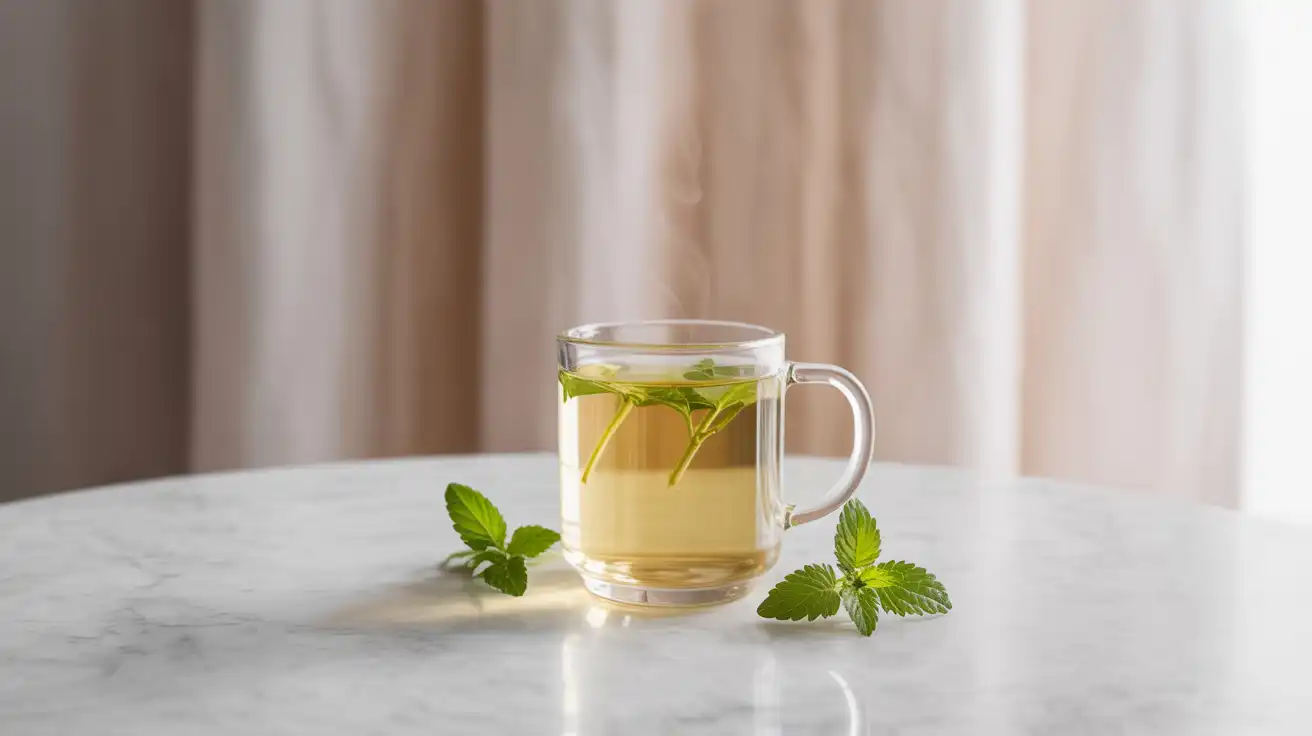
There’s something wonderfully grounding about making a lemon balm tea recipe from scratch. Whether you’re winding down after a whirlwind day or looking for a refreshing herbal drink on a sunny afternoon, this soothing infusion delivers both comfort and calm. With its subtle citrusy notes and gentle, relaxing aroma, lemon balm tea is a cherished staple in my kitchen — and today, I’ll show you how to prepare the perfect lemon balm tea recipe, step-by-step. Let’s steep something special together.
Table of Contents
A Lemon Balm Tea Recipe That Feels Like a Deep Breath
When I was pregnant with my first daughter, I started growing lemon balm in a little terracotta pot by the kitchen window. I didn’t know much about herbs back then—just that I needed something gentle to help me relax. Lemon balm, with its soft, minty-lemon scent, quickly became my evening ritual. I’d brew a small pot, sit barefoot on the back steps, and breathe in the steam before that first warm sip.
Even now, years later, this lemon balm tea recipe brings me back to those quiet moments. It’s not just tea—it’s the pause button I never knew I needed. Whether you drink it hot in your coziest mug or pour it over ice on a warm day, lemon balm tea has a way of meeting you exactly where you are.
Beyond its calming nature, it’s also incredibly easy to grow and even easier to prepare. If you’ve got a patch of lemon balm in your garden or a few sprigs from the farmer’s market, you’re halfway there. In this guide, I’ll share everything from the basic lemon balm tea recipe to creative variations and wellness insights—plus a few pairings with other Artemis favorites like lemon balm for weight loss or naturally sweet date palm tea blends.
How to Make Lemon Balm Tea (Hot & Iced)
Lemon Balm Tea Recipe for Calm Days & Better Sleep
Clara
A soothing, citrusy herbal tea that’s naturally caffeine-free. This lemon balm tea recipe is perfect hot or iced for relaxation, better sleep, or a calm moment in your day.
Clean flatlay of ingredients for lemon balm teaLemon Balm Tea Recipe for Calm Days & Better Sleep 2
1tbspdried lemon balmor ¼ cup fresh leaves
1cupwater
Optional: lemon sliceshoney, mint, or lavender
Icefor cold version
Instructions
Step 1. Boil water, then let it cool slightly (to about 200°F).
Step 2. Add lemon balm to a teapot or mug.
Step 3. Pour hot water over the herbs and cover.
Step 4. Steep for 5–10 minutes, then strain.
Step 5. For iced tea: let it cool, pour over ice, and add citrus or berries if desired.
Notes
You can mix in other calming herbs like chamomile or lavender.Refrigerate leftover tea for up to 3 days.Use ½ cup fresh leaves per cup of water when making iced tea.
There’s nothing fancy or fussy about this lemon balm tea recipe — and that’s what makes it so lovable. It’s just a few simple steps, but the result is a cup of calm you’ll want to come back to again and again. Whether you like your tea steamy and soothing or chilled and refreshing, I’ll walk you through both versions below.
Hot Lemon Balm Tea (Cozy & Classic)
The classic hot lemon balm tea is ideal for quiet evenings, early mornings, or anytime you need a reset. Here’s how I make it:
Start with fresh or dried lemon balm. If using fresh, go for ¼ cup packed leaves per 1 cup of water. For dried, use 1 tablespoon per cup.
Boil water, then cool slightly. You want it just off the boil — about 200°F — to preserve the delicate citrus-mint aroma.
Steep for 5–10 minutes. Add the lemon balm to a teapot or mug, pour hot water over, and cover. This helps trap all the essential oils.
Strain and enjoy. Optional: add honey, lemon slices, or even a sprig of thyme for depth.
If you’re looking for a tea that supports digestion and pairs well with a light evening snack, try this with a few slices of date palm bar. The mild sweetness is a lovely complement.
Iced Lemon Balm Tea (Bright & Refreshing)
For summer days, this iced lemon balm tea recipe is a go-to. It’s crisp, citrusy, and endlessly customizable.
Double the amount of lemon balm. Because the ice will mellow the flavor, I like to start with ½ cup of fresh lemon balm leaves for every cup of water.
Strain and pour into a glass pitcher.
Add ice, citrus, and flavor extras. I love sliced oranges, cucumber, or fresh mint. A little raw honey or agave gives it balance.
Chill and serve. Refrigerate for up to 3 days.
You can even boost the benefits by pairing this with our lemon balm for weight loss recipe — a smart sip before meals or after workouts.
Creative Ways to Flavor Your Lemon Balm Tea
One of the things I love most about this lemon balm tea recipe is how flexible it is. The herb itself is mild and slightly citrusy, making it the perfect base for other flavors. Depending on your mood—or what’s in season—you can steep it with herbs, fruits, or spices to create a custom infusion that feels just right.
Herbal Pairings That Work Beautifully
If you’ve ever wandered through your garden or a farmers’ market wondering how to jazz up your next lemon balm tea recipe, here are some of my go-to herbal add-ins:
Fresh Mint: A classic pairing. Mint adds brightness and a cooling finish that blends seamlessly with lemon balm.
Lavender Buds: A pinch brings a soft floral aroma that amplifies the tea’s calming effects.
Rosehip: Tart and fruity, rosehip adds color and a vitamin C boost.
Lemon Thyme: Earthy, aromatic, and ideal for soothing sore throats.
Chamomile: Light and apple-scented, chamomile is a gentle complement for a bedtime version of this tea.
Each of these additions brings both flavor and functional benefits—turning your lemon balm tea recipe into a mini wellness ritual.
Fruit & Citrus Additions
You can also brighten the flavor of your lemon balm tea with:
A few slices of lemon or orange can brighten the tea and bring out its natural citrus notes.
Add thin cuts of cucumber or chunks of crisp apple for a cool, clean finish—especially great in iced versions.
Toss in a handful of fresh berries if you want a hint of natural sweetness and a lovely pop of color.
Personally, I love to combine this refreshing tea with our pink salt weight loss recipe for an energizing morning duo.
Whether you enjoy your lemon balm tea hot or iced, this lemon balm tea recipe welcomes creativity—and it’s so forgiving that even the tiniest adjustments make it feel brand new.
The Health Benefits of Lemon Balm Tea
Beyond its cozy charm and refreshing flavor, this lemon balm tea recipe comes with some pretty impressive benefits. Lemon balm (Melissa officinalis) has been used for centuries as a gentle herbal remedy—and it’s still one of my favorite ways to soothe both body and mind.
Calming the Nervous System
If there’s one reason I return to this lemon balm tea again and again, it’s for its stress-relieving qualities. The herb contains compounds like rosmarinic acid, which may help support GABA activity in the brain—a fancy way of saying it can promote relaxation and ease anxious thoughts.
I often sip a warm cup of this lemon balm tea recipe in the evening, especially on those nights when my to-do list is still running circles in my head. It pairs beautifully with quiet time or a good book.
Supports Digestion and Sleep
Another bonus? This tea is wonderfully kind to your belly. Drinking a cup about 30 minutes after a meal may help settle bloating, cramping, or mild indigestion. And because it’s naturally caffeine-free, it’s also a lovely bedtime drink that won’t mess with your sleep schedule.
Some studies even suggest that lemon balm tea may shorten the time it takes to fall asleep—especially when blended with other herbs like chamomile or valerian root. If you’re curious, try combining this lemon balm tea recipe with a pinch of dried chamomile flowers for a calming bedtime blend.
Gentle on the Body
Unlike some herbal teas that can be harsh in large amounts, lemon balm is generally considered safe when consumed moderately. That said, it’s always good to talk to your healthcare provider if you’re pregnant, nursing, or on medication—especially for thyroid or sedative concerns.
If you’re looking to incorporate this recipe into a broader wellness routine, consider alternating it with our naturally calming date palm tea or our popular lemon balm for weight loss version for different times of day.
What to Know Before You Sip (Safety & Storage Tips)
This lemon balm tea recipe may be simple to make, but a few thoughtful tips can help you enjoy it safely and get the best flavor every time.
When (and When Not) to Drink It
For most people, lemon balm tea is gentle enough for regular use. You can enjoy one to three cups a day, depending on your needs. Many folks love it first thing in the morning for a calm start, or just before bed to help wind down.
Still, it’s smart to keep a few precautions in mind:
If you’re on thyroid medication, lemon balm may interfere with how your body absorbs it. Always check with your doctor.
Avoid combining with strong sedatives or alcohol, as the calming effects can stack and make you overly drowsy.
During pregnancy or nursing, keep your intake moderate and run it by a healthcare provider first.
If you’re blending this lemon balm tea recipe with other herbs (like valerian or St. John’s wort), do your research to avoid unwanted interactions.
This tea is meant to support—not replace—any medical treatment. Trust how you feel, and let moderation be your guide.
How to Store Lemon Balm Tea & Leaves
Fresh leaves: Keep them in a damp paper towel in the fridge for up to 5 days, or freeze them in ice cube trays with a splash of water for later use.
For dried lemon balm, tuck it into a tightly sealed jar and stash it somewhere cool and out of direct light. It keeps its best flavor for about 6 months.
Prepared tea: Once brewed, your tea can be refrigerated in a sealed container for up to 3 days. It actually gets more flavorful as it sits!
You can even batch brew this lemon balm tea recipe ahead of time—perfect for busy weeks or prepping for calm evenings.
Frequently Asked Questions About Lemon Balm Tea
How do you make lemon balm tea?
To prepare this lemon balm tea recipe, steep 1 tablespoon of dried lemon balm (or ¼ cup fresh leaves) in hot water for 5–10 minutes. Strain and enjoy! You can add lemon slices, honey, or mint for extra flavor. For iced tea, let it cool and serve over ice with fresh herbs or fruit.
Can I drink lemon balm tea every day?
Yes, many people enjoy one to three cups of lemon balm tea per day. It’s gentle, caffeine-free, and known for its calming effects. As always, if you’re pregnant, nursing, or on medication—especially thyroid or sedative-related—check with your doctor first.
How to make a lemon balm drink?
You can make a lemon balm drink by brewing the herb into tea, then customizing it. Add fresh citrus slices, cucumber, or berries for a refreshing cold drink. You can also mix cooled lemon balm tea with a splash of sparkling water or herbal blends like chamomile or rosehip.
What should you avoid mixing with lemon balm?
Avoid combining lemon balm with strong sedatives, alcohol, or certain medications like thyroid treatments without medical guidance. While this lemon balm tea recipe is generally safe, mixing it with other calming herbs or drugs may intensify drowsiness. Always consult a professional if you’re unsure.
A Cup Worth Coming Back To
This lemon balm tea recipe is more than just a drink—it’s a little ritual of calm. Whether you sip it hot in the stillness of early morning or pour it over ice on a sun-drenched afternoon, each cup invites you to slow down, breathe deep, and be present.
What I love most is that it doesn’t ask much of you—just a handful of leaves, a few quiet minutes, and maybe a slice of lemon or a drizzle of honey. It’s a small act of care, made from an herb that’s probably growing right outside your door or waiting at your local market.
If you try this lemon balm tea recipe and fall in love with it like I have, don’t be surprised if it becomes a little daily tradition—one you look forward to as much as your favorite blanket or a good conversation.
Want more soothing recipes and gentle sips like this one? Follow me on Pinterest for fresh herbal ideas, calming blends, and everyday wellness. Or read more slow living stories on Medium—I share recipes, rituals, and reflections from my kitchen to yours.