

I stood in the grocery store aisle last month staring at three different gelatin products, completely confused. One box said “unflavored gelatin powder,” another package showed thin translucent sheets, and a canister claimed to be “collagen peptides.” Moreover, the recipe I wanted to make called for “200 bloom gelatin sheets,” which I’d never even heard of before.
After buying the wrong type twice and ruining a panna cotta, I decided to research every type of gelatin available. I learned that not all gelatin works the same way, and choosing the wrong type can ruin your recipe or waste your money.
After extensive research into food science, testing different types myself, and consulting professional baking resources, here’s everything I discovered about the different types of gelatin. This comprehensive guide will help you choose the right type for cooking, supplements, beauty treatments, or whatever you need gelatin for.
Table of Contents

The Main Types of Gelatin Explained
Understanding the basic categories helps you navigate the confusing world of gelatin products. Moreover, each type has specific properties that make it better for certain uses. Therefore, knowing these differences saves time, money, and recipe failures.
Powdered Gelatin (Granulated)
Powdered gelatin comes in small granules that look like coarse sand or sugar. Harvard’s School of Public Health explains that gelatin is made by breaking down collagen from animal bones, skin, and connective tissue through prolonged boiling. Then, the liquid is dried and ground into powder.
Knox is the most common brand in the United States, typically sold in small packets containing about 2.5 teaspoons each. Additionally, you can buy bulk unflavored gelatin powder in larger containers. Moreover, powdered gelatin is affordable, widely available, and easy to measure.
However, powder requires a two-step process called blooming. First, you sprinkle it over cold water and let it absorb for 5 minutes. Then, you heat the mixture until the gelatin dissolves completely. As a result, powder takes slightly more effort than some other forms.
Gelatin Sheets (Leaf Gelatin)
Gelatin sheets, also called leaf gelatin, come as thin, translucent rectangles that look almost like plastic film. In fact, professional bakers and chefs prefer sheets for their precision and clarity. Moreover, European recipes almost always call for sheet gelatin rather than powder.
Sheets come in different grades based on bloom strength: bronze (150 bloom), silver (200 bloom), gold (250 bloom), and platinum (highest strength). Additionally, each sheet typically equals about half a teaspoon of powdered gelatin, though this varies by brand and bloom strength.
Furthermore, sheets produce clearer, more refined results than powder in the same recipe. However, they cost more and can be harder to find in regular grocery stores. Nevertheless, serious bakers consider the extra cost worth it for superior results.
Hydrolyzed Collagen Peptides
Collagen peptides represent a completely different category, even though they come from the same source as gelatin. Cleveland Clinic notes that collagen makes up 30 percent of your body’s total protein and provides structure for skin, bones, and connective tissue.
Hydrolyzed collagen peptides are broken down into much smaller protein fragments through a process called hydrolysis. As a result, they dissolve completely in cold liquids and never form a gel. Moreover, the smaller molecules absorb better in your digestive system, making them ideal for supplements.
Therefore, you cannot use collagen peptides for recipes requiring gelling like jello or panna cotta. However, they work perfectly for adding protein to coffee, smoothies, or baked goods. Additionally, most joint and skin supplement research uses hydrolyzed collagen, not regular gelatin.
Gelatin Powder vs. Gelatin Sheets: Which Should You Use?
This question comes up constantly in cooking forums and recipe comments. However, the answer depends on your specific needs, recipe requirements, and baking goals.
How Gelatin Powder Works
Powdered gelatin requires blooming before use to ensure even distribution and prevent lumps. First, sprinkle the powder over cold water in a ratio of about 1 tablespoon gelatin to 1/4 cup water. Next, let it sit undisturbed for 5 minutes until it absorbs water and looks spongy.
Then, heat the bloomed gelatin gently until it dissolves completely, either in the microwave or by adding it to hot liquid. Moreover, never boil gelatin directly, as excessive heat destroys its gelling power. As a result, gentle heating works best for maintaining full strength.
Additionally, powder works well for opaque desserts, mousses, and dishes where crystal clarity doesn’t matter. Furthermore, it’s perfect for home cooks who want convenience and affordability. However, powder can sometimes create slightly cloudy results compared to sheets.
How Gelatin Sheets Work
Gelatin sheets need soaking in cold water for 5 to 10 minutes until they become completely soft and pliable. Then, squeeze out excess water with your hands and add the sheets directly to hot liquid. Moreover, they dissolve faster than bloomed powder because they’re already hydrated.
Additionally, sheets provide more precise measurements since each sheet represents a standard amount. Furthermore, professional recipes specify sheet count rather than weight, making them easier to scale. As a result, you get more consistent results batch after batch.
Nevertheless, sheets cost significantly more than powder for the same gelling power. However, if you’re making elegant desserts for special occasions, the superior clarity and smoothness justify the extra expense.
Conversion Chart: Powder to Sheets
Converting between powder and sheets requires understanding bloom strength and weight equivalents. Generally, one standard gelatin sheet equals approximately 1/2 teaspoon (2.5 grams) of powdered gelatin. However, this varies based on bloom strength.
For more accurate conversions, use these guidelines. Four sheets of 200 bloom silver gelatin equal one 7-gram packet of Knox powder (about 2.5 teaspoons). Additionally, if your recipe calls for 6 sheets, use about 3 teaspoons (1 tablespoon) of powdered gelatin.
Moreover, when substituting, consider that sheets typically produce clearer results. Therefore, you might want to use slightly less powder than the conversion suggests to avoid over-gelling. As a result, start with the converted amount and adjust based on your desired firmness.
Gelatin vs. Collagen Peptides: Understanding the Difference
Many people confuse these two products because they both come from collagen. However, they work completely differently and serve distinct purposes. Therefore, understanding the difference prevents recipe disasters and wasted money.
What Happens During Hydrolysis
Hydrolysis breaks down large collagen proteins into much smaller peptide chains. First, manufacturers treat collagen with enzymes or acid to cleave the long protein molecules. Then, they dry the resulting smaller fragments into powder form.
As a result, hydrolyzed collagen dissolves completely in cold water and stays dissolved. Moreover, the molecular structure can no longer form the network needed for gelling. Therefore, collagen peptides will never set into jello-like consistency no matter how much you use.
Additionally, this smaller size allows easier absorption in your digestive tract. Furthermore, research on joint health and skin benefits uses hydrolyzed collagen, not regular gelatin. Nevertheless, both provide similar amino acids like glycine, proline, and hydroxyproline.
When to Use Gelatin vs. Peptides
Use regular gelatin (powder or sheets) when you need gelling properties for recipes. This includes jello, panna cotta, marshmallows, gummy candies, aspics, and mousses. Additionally, gelatin works for thickening without gelling in some applications.
Meanwhile, use collagen peptides when you want to add protein to beverages or foods without changing texture. Moreover, peptides dissolve in cold coffee, smoothies, juice, or water instantly. Furthermore, they work in baked goods where you don’t want gelling.
For health supplements targeting skin or joints, choose hydrolyzed collagen peptides based on research evidence. However, for DIY beauty treatments like face masks, use regular unflavored gelatin powder. Therefore, matching the product type to your specific use ensures success.
For understanding how gelatin works for skin benefits from the inside, read about gelatin for skin tightening to see how oral supplementation differs from topical use. Additionally, learn about gelatin for joints to understand which type works best for joint health.
Types of Gelatin by Animal Source
Gelatin comes from different animals, each with slightly different properties and dietary considerations. Moreover, religious and cultural dietary laws affect which types people can use. Therefore, knowing the source helps you choose appropriately.
Beef (Bovine) Gelatin
Beef gelatin comes from cow bones, skin, and connective tissue. In fact, it’s one of the most common types available worldwide. Moreover, beef gelatin works well for all standard cooking and baking applications.
Additionally, beef gelatin may have a slightly stronger flavor than pork varieties. However, most people don’t notice the difference in sweetened desserts. Furthermore, bloom strength and gelling properties are comparable to pork gelatin.
Nevertheless, beef gelatin isn’t suitable for those following Hindu dietary restrictions or certain interpretations of kosher law. Therefore, check certifications if religious dietary compliance matters to you.
Pork (Porcine) Gelatin
Pork gelatin comes from pig skin and bones and represents the majority of gelatin produced globally. Moreover, it typically provides the clearest results and smoothest texture. Additionally, pork gelatin often costs less than beef varieties due to abundant supply.
However, pork gelatin is not halal or kosher, making it unsuitable for many religious dietary practices. Furthermore, some people avoid pork for personal, cultural, or health reasons. Therefore, always check labels if this matters to you.
Nevertheless, for purely culinary purposes without dietary restrictions, pork gelatin often delivers the best performance. As a result, professional pastry chefs frequently prefer pork-based gelatin sheets.
Fish (Marine) Gelatin
Fish gelatin, also called marine collagen, comes from fish skin and scales. Moreover, it works for people following kosher, halal, or pescatarian diets. Additionally, some people believe fish collagen absorbs better than mammalian sources, though research is mixed.
However, fish gelatin has a lower melting point than beef or pork varieties. Therefore, desserts made with fish gelatin can become soft at room temperature. Additionally, fish gelatin sometimes has a slight seafood taste or smell.
Furthermore, fish gelatin costs significantly more than beef or pork options. Nevertheless, it provides an important alternative for those with dietary restrictions. As a result, specialty food stores and online retailers carry fish gelatin specifically.
Chicken Gelatin
Chicken gelatin comes from chicken bones and connective tissue, often as a byproduct of bone broth production. In fact, homemade chicken bone broth naturally contains gelatin that causes it to gel when refrigerated. Moreover, chicken gelatin provides an alternative for those avoiding red meat or pork.
However, commercial chicken gelatin is less common than beef, pork, or fish varieties. Additionally, it may have slightly different gelling properties. Nevertheless, you can make your own by reducing homemade chicken bone broth.
Understanding Bloom Strength: What the Numbers Mean
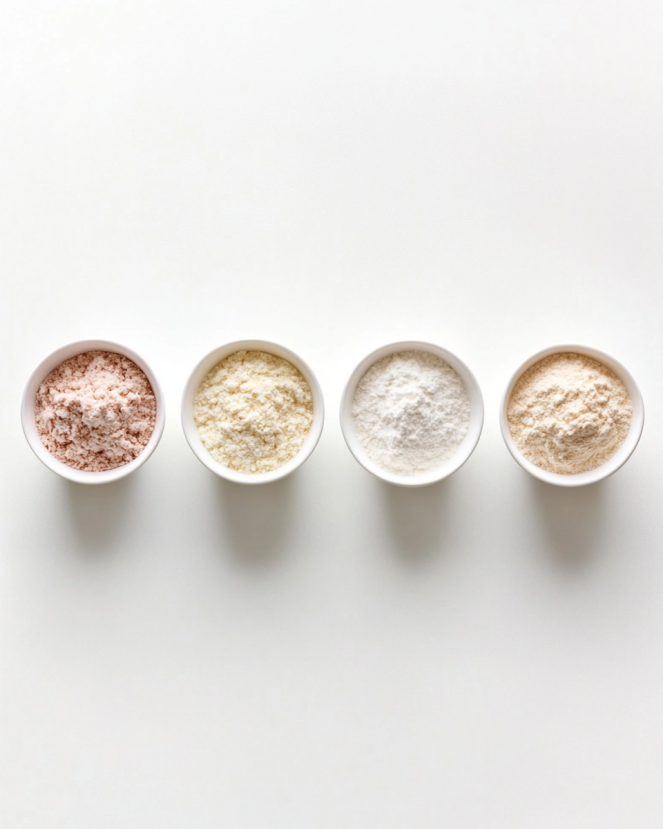
Bloom strength measures gelatin’s gelling power on a standardized scale. Moreover, understanding these numbers helps you choose the right gelatin and adjust recipes accurately. Therefore, let me explain this important but confusing concept.
Common Bloom Strengths (150, 200, 250)
According to GELITA, a major gelatin manufacturer, bloom strength ranges from 50 to 300, with higher numbers indicating stronger gelling ability. Most cooking gelatins fall between 150 and 250 bloom.
Bronze gelatin sheets have approximately 150 bloom strength, making them the softest option. Meanwhile, silver sheets measure around 200 bloom, which is the most common professional standard. Additionally, gold sheets reach about 250 bloom, providing very firm gels.
Furthermore, Knox unflavored gelatin powder measures approximately 225 bloom. Therefore, it falls between silver and gold sheet strength. As a result, Knox works well for most home recipes without adjustment.
How Bloom Strength Affects Your Recipe
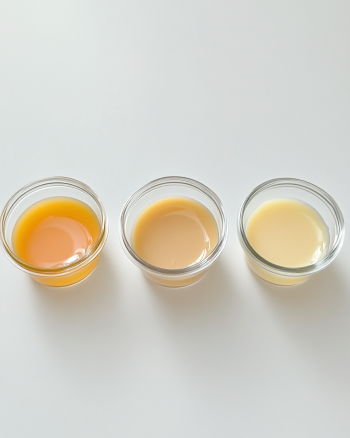
Higher bloom gelatin needs less quantity to achieve the same firmness as lower bloom varieties. For example, if a recipe calls for 4 sheets of 200 bloom gelatin, you might only need 3 sheets of 250 bloom gelatin. Moreover, using too high a bloom strength without adjusting quantity creates unpleasantly rubbery textures.
Additionally, bloom strength affects melting temperature. Higher bloom gelatins melt at slightly higher temperatures, making them more stable at room temperature. Therefore, desserts made with gold gelatin hold up better on buffet tables.
Nevertheless, most home recipes don’t specify bloom strength, assuming you’ll use standard grocery store powder. However, if you’re following professional recipes, matching the bloom strength ensures accurate results. As a result, check your gelatin package for bloom information when precision matters.
Vegan Alternatives to Gelatin
Many people seek plant-based alternatives to animal-derived gelatin for dietary, ethical, or religious reasons. Moreover, several options provide similar gelling properties, though each works differently.
Agar-Agar: The Most Popular Substitute
Agar-agar, derived from seaweed, is the most common vegan gelatin substitute. In fact, it’s been used in Asian cooking for centuries. Moreover, agar sets much firmer than gelatin and holds up at room temperature.
However, agar requires different ratios than gelatin. Generally, use about 1 teaspoon of agar powder to replace 1 tablespoon of gelatin powder. Additionally, agar sets at room temperature rather than requiring refrigeration. Furthermore, it creates a firmer, more brittle texture than gelatin’s smooth wobble.
Nevertheless, agar works well for vegan jellies, panna cotta, and gummy candies. Moreover, it doesn’t melt in your mouth like gelatin does. Therefore, the eating experience differs slightly from traditional gelatin desserts.
Other Plant-Based Gelling Agents
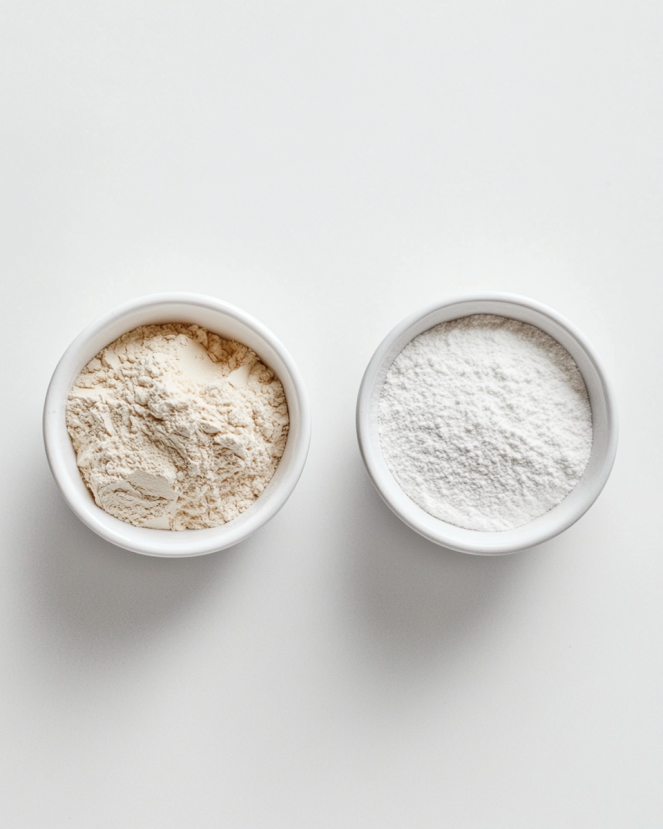
Carrageenan, extracted from red seaweed, provides another vegan option with properties closer to gelatin than agar. Moreover, it creates a softer gel more similar to traditional gelatin texture. However, carrageenan works best in dairy-based desserts rather than fruit jellies.
Additionally, pectin works for jams and fruit jellies but requires sugar and acid to gel properly. Furthermore, commercial vegan gelatin blends combine multiple plant gums to mimic gelatin’s properties. Nevertheless, these alternatives cost more than animal-based gelatin.
Which Type of Gelatin for Different Uses
Choosing the right type depends entirely on what you’re making. Moreover, using the optimal type for each application ensures better results. Therefore, here are my recommendations based on extensive testing and research.
Best Gelatin for Cooking and Desserts
For everyday home cooking, unflavored gelatin powder (like Knox) works perfectly well. Moreover, it’s affordable, readily available at any grocery store, and easy to measure. Additionally, the 225 bloom strength handles most recipes without adjustment.
However, for special occasion desserts where clarity and smoothness matter, invest in gelatin sheets. Furthermore, silver (200 bloom) or gold (250 bloom) sheets produce professional-quality results. As a result, your panna cotta, bavarian cream, or fruit terrine will look restaurant-quality.
Additionally, for opaque mousses, cheesecakes, or whipped desserts, powder works just fine. Therefore, save money by using powder when appearance doesn’t require crystal clarity. Nevertheless, measure carefully and bloom properly for best results regardless of type.
Best Gelatin for Health Supplements
For joint health or skin supplements, choose hydrolyzed collagen peptides rather than regular gelatin. Moreover, research supporting these benefits used peptides, not cooking gelatin. Additionally, peptides dissolve in cold beverages, making daily supplementation convenient.
Furthermore, look for grass-fed bovine collagen or marine collagen depending on your dietary preferences. However, avoid regular gelatin powder thinking it provides the same supplement benefits. As a result, you’ll get better absorption and results matching clinical research.
For specific guidance on using collagen for health, check out the complete guide to the gelatin trick covering various applications. Additionally, if you’re recovering from bariatric surgery, see bariatric gelatin recipes for high-protein options.
Best Gelatin for Face Masks and Beauty
For DIY beauty treatments like peel-off face masks, use unflavored gelatin powder. Moreover, the gelling property is exactly what creates the peel-off effect. Additionally, regular grocery store gelatin works perfectly without needing expensive specialty products.
However, don’t use collagen peptides for face masks because they won’t gel. Furthermore, gelatin sheets work but cost more than necessary for beauty applications. Therefore, stick with affordable Knox-style powder for homemade skincare.
For complete face mask recipes and safety guidelines, visit gelatin face mask for detailed instructions and formulations.
How to Substitute Between Different Types
Understanding conversion ratios prevents recipe failures when you don’t have the exact type called for. Moreover, these guidelines help you adapt professional recipes to home ingredients.
Converting Powder to Sheets
The standard conversion is approximately 1 gelatin sheet equals 1/2 teaspoon (2.5 grams) of powdered gelatin. However, this assumes 200 bloom silver sheets and 225 bloom powder. Therefore, if your recipe calls for 6 sheets, use 3 teaspoons (1 tablespoon) of powder.
Additionally, if converting the other direction, divide your powder amount by 0.5 to get sheet count. For example, 2 teaspoons of powder equals about 4 sheets. Moreover, round up rather than down if you’re between numbers to ensure adequate gelling.
Furthermore, remember that sheets often produce clearer results. Therefore, if appearance matters, consider seeking out sheets even if the recipe allows powder. Nevertheless, proper blooming and straining can improve powder clarity significantly.
Adjusting for Bloom Strength Differences
When substituting different bloom strengths, adjust quantities accordingly. If your recipe calls for 200 bloom gelatin but you have 250 bloom, use about 20 percent less. Moreover, if you have lower bloom gelatin, increase the amount by approximately 20 percent.
Additionally, you can calculate precise adjustments using this formula: (recipe bloom / your bloom) × recipe amount equals adjusted amount. For example, if a recipe needs 10 grams of 200 bloom and you have 250 bloom, calculate (200 / 250) × 10 equals 8 grams needed.
However, for most home cooking, these adjustments matter less than in professional pastry. Therefore, don’t stress excessively about perfect bloom matching unless you’re making competition-level desserts. Nevertheless, understanding the concept helps you troubleshoot if results seem too soft or too firm.
Frequently Asked Questions
What are the different types of gelatin?
The main types of gelatin are powdered gelatin (granulated), gelatin sheets (leaf gelatin), hydrolyzed collagen peptides, and agar-agar (plant-based alternative). Additionally, gelatin comes from different animal sources including beef (bovine), pork (porcine), fish, and chicken. Each type has different properties, uses, and bloom strengths.
Is gelatin powder the same as gelatin sheets?
No, gelatin powder and sheets are different forms with the same basic function but different usage methods. Powder requires blooming in cold water before dissolving, while sheets need soaking until soft, then squeezing out excess water. Sheets provide more precise measurements and clearer results, while powder is more convenient and widely available.
What is the difference between gelatin and collagen peptides?
Gelatin gels when cooled and requires heat to dissolve, while collagen peptides (hydrolyzed collagen) stay dissolved in cold liquids and don’t gel. Collagen peptides are broken into smaller molecules for better absorption, making them ideal for supplements. Gelatin works for cooking and gelling, while peptides work better for adding protein to drinks.
Which type of gelatin is best for cooking?
Powdered gelatin (Knox brand or similar) works best for most home cooking because it’s affordable, widely available, and easy to measure. For professional baking and precise desserts, gelatin sheets provide clearer results and more consistent gelling. The best type depends on your recipe and desired clarity.
Can I substitute gelatin powder for gelatin sheets?
Yes, you can substitute between powder and sheets using conversion ratios. Generally, 1 gelatin sheet equals about 1/2 teaspoon (2.5g) of powdered gelatin. However, bloom strength varies, so check your specific brand. Sheets typically produce clearer, more refined results than powder in the same recipe.
What is bloom strength in gelatin?
Bloom strength measures gelatin’s gelling power on a scale from 50 to 300, with higher numbers indicating stronger gelling ability. Common strengths are 150 bloom (bronze), 200 bloom (silver), and 250 bloom (gold). Higher bloom gelatin needs less quantity to achieve the same firmness. Knox gelatin is typically 225 bloom.
Is there a vegan alternative to gelatin?
Yes, agar-agar is the most popular vegan gelatin substitute made from seaweed. However, it sets much firmer than gelatin and requires different ratios (use 1 teaspoon agar powder per 1 tablespoon gelatin). Other alternatives include carrageenan, pectin (for jams), and vegan gelatin blends. Note that agar sets at room temperature, unlike gelatin.
What is the difference between beef and pork gelatin?
Beef (bovine) gelatin and pork (porcine) gelatin have similar gelling properties but different sources. Pork gelatin typically has slightly better clarity and smoother texture. Beef gelatin may have a slightly stronger flavor. For religious dietary restrictions, fish or vegetarian alternatives work better than either beef or pork.
Can you use collagen peptides instead of gelatin in recipes?
No, collagen peptides cannot replace gelatin in recipes that require gelling because peptides don’t form a gel structure. Peptides work only for adding protein to drinks, smoothies, or baked goods where gelling isn’t needed. For jellies, panna cotta, or marshmallows, you must use actual gelatin, not peptides.
What type of gelatin is best for joint health?
Hydrolyzed collagen peptides (especially Type II collagen) work best for joint health because they’re broken down for better absorption. Studies showing joint benefits used collagen peptides, not regular cooking gelatin. However, both provide similar amino acids. Take 10-15g daily of hydrolyzed collagen for joint support, not regular gelatin.
Which gelatin dissolves in cold water?
Only hydrolyzed collagen peptides dissolve completely in cold water. Regular gelatin (powder or sheets) requires cold water for blooming, then hot liquid for dissolving. If you want to add protein to cold drinks or smoothies without heating, use collagen peptides, not regular gelatin.
How do I know which type of gelatin to buy?
For cooking and desserts, buy powdered gelatin (Knox brand) or gelatin sheets based on your recipe. For health supplements and protein drinks, buy hydrolyzed collagen peptides. For vegan needs, buy agar-agar. Check bloom strength for professional baking, and choose your animal source (beef, pork, fish) based on dietary preferences.
Final Thoughts
After extensive research and testing multiple types of gelatin, I’ve learned that choosing the right type makes a huge difference in results. Moreover, understanding these differences prevents wasted ingredients, failed recipes, and frustration.
For everyday home cooking, regular powdered gelatin works perfectly well and costs the least. However, if you’re making special occasion desserts where appearance matters, investing in gelatin sheets delivers noticeably better results. Additionally, for health supplements, hydrolyzed collagen peptides provide better absorption than cooking gelatin.
Furthermore, consider your dietary restrictions and preferences when choosing animal sources. Moreover, vegan alternatives like agar-agar work well once you understand their different properties. As a result, everyone can find a gelatin type that fits their needs.
Don’t just grab the cheapest option without considering your specific use. Instead, match the gelatin type to your purpose, whether that’s cooking, supplements, or beauty treatments. Therefore, you’ll get better results and avoid the frustration I experienced when I started learning about gelatin types.